Draft Tariff Norms Spark Worries Over Power Grid, NTPC Earnings
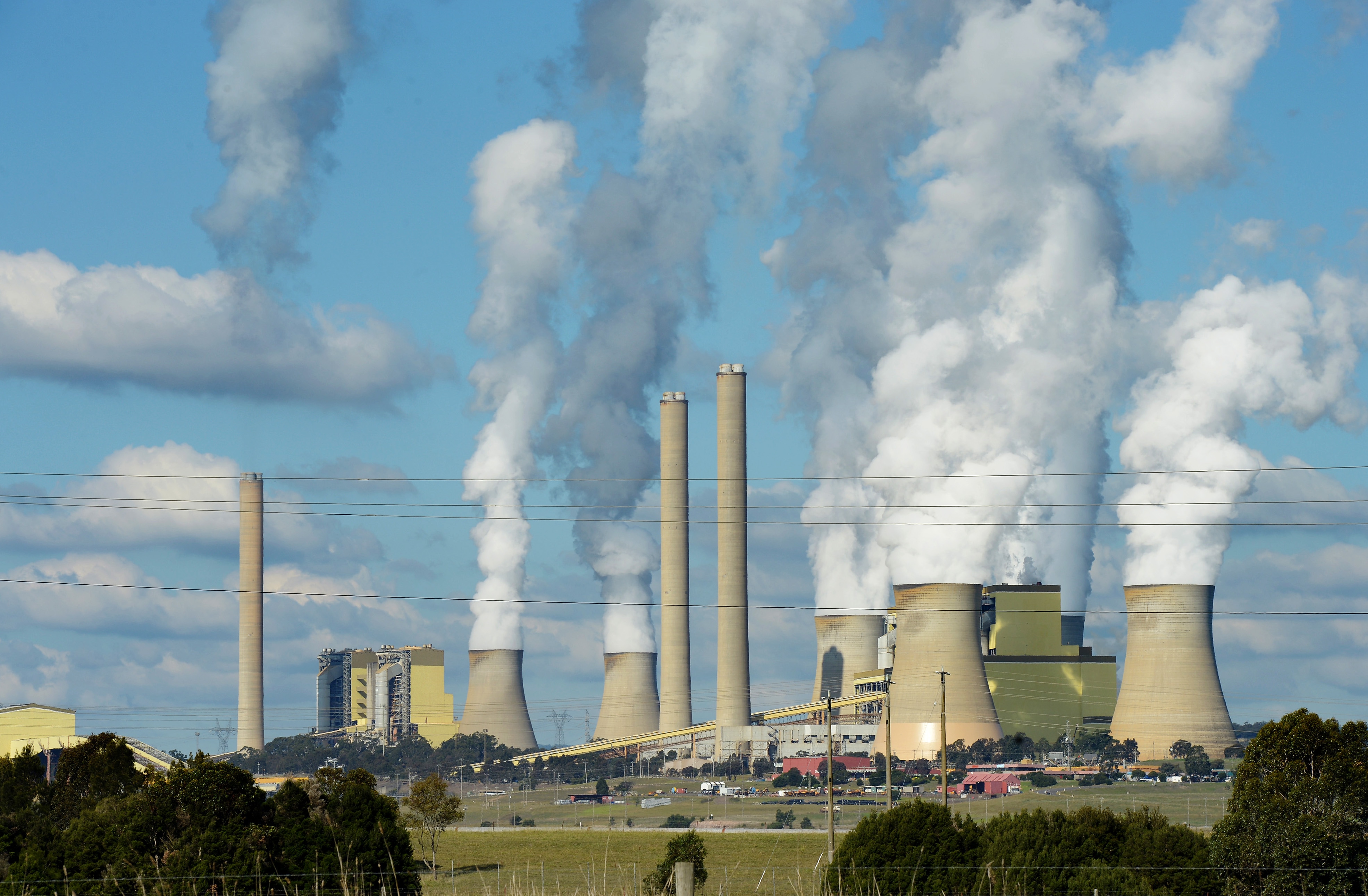
Stocks of Power Grid Corporation of India Ltd. and NTPC Ltd. have fallen 3-7 percent over the past month on fears that the government may bring down regulated returns for conventional utilities.
The fears stem from the Central Electricity Regulatory Commission's (CERC) draft tariff guidelines on renewables that propose to lower the regulated post-tax rate of return to 14 percent from 15.5 percent now, according to a report by Kotak Institutional Equities.
The market fears a similar reduction in the tariff of conventional utilities when it comes up for renewal in 2019 and is likely pricing in the risk of an 8-10 percent downward revision in their earnings for financial year 2019-20, the report said.
Emailed queries to Power Grid and NTPC seeking a comment did not elicit a response.
Limited Impact On Renewables
The draft guidelines are limited to assets sold under the cost-plus tariff method – under which utilities charge a price that factors in their cost and a certain return. Kotak expects the impact of these guidelines to be limited in the near term as there are very few renewable assets that sell power under this method.
Solar assets are auctioned through competitive bidding and are excluded from cost-plus tariff method.
Incremental assets in wind power were also sold via competitive bidding recently, said Vivek Jain, associate director at brokerage India Ratings. There is an increasing possibility that incremental capacity in future will also be largely added through competitive bids, Jain said.
So these guidelines and calculations could be a futile exercise, he said.
The total renewables capacity in India stood at 50,018 megawatt (MW) as on December 31, 2016, of which 28,700 MW was wind power.
Equipment Suppliers May Feel The Sqeeze
Usually, a squeeze in the expected return on a project leads to hard bargaining between developers and equipment suppliers, said Jain.
A lower rate of return for producers would have a cascading impact on manufacturers of wind turbines or equipment suppliers, said Harshvardhan Dhole, research analyst at brokerage IIFL Institutional Equities.
These players would have to price their equipment more competitively to ensure better rate of returns for the producers despite the cut.Harshvardhan Dhole, Research Analyst, IIFL Institutional Equities

-
Navigating Energy Crossroads: S Jaishankar's Call For Diversified Supply Chains At G20 Ministerial Meeting

As geopolitical fault lines continue to test maritime trade routes and commodity flows, Jaishankar's message remains pertinent: true economic resilience requires open markets, protected transit lines, and a genuine commitment to multilateral cooperation rather than coercion.
-
Indians Are Travelling, But Not Every Journey Is A Holiday | The Week In Whys
Pilgrims, patients and working women are the real travellers, and the system hasn't quite caught up with them.
-
Getting To Work Costs Women More | The Reason Why
It is not just about women paying more than men. It is about women paying much more in cities than in villages.
-
AI Bias In Investing Cannot Be Eliminated, But It Can Be Governed
Framing is a particularly important example as identical financial information presented in terms of gains rather than losses can lead an LLM to reach a different assessment.
-
Joining The Dots | Dark Skies, Steady Diya: Why Hope Holds This Diwali
With war, a weak rupee and foreign outflows weighing on sentiment, policymakers at the NDTV World Summit and market veterans at NDTV Profit Ignite: Diwali Edition offered the same advice: stay invested and filter out the noise.
-
The Curious Case of Equitas Small Finance Bank And A CEO Who Quit For Stock
PN Vasudevan believes persistent investor concerns over a perceived conflict of interest had become a governance overhang on Equitas Small Finance Bank's stock, even as the lender improved profitability and asset quality.
-
Talking Points This Week: AI Cash Burn, A Tiger Comeback And An India That Still Finds Its Own Path
India is not immune to higher oil or tighter global liquidity, yet its earnings base is broader, its domestic policy levers are still available.
-
Foreign Investors Own Half Of HDFC Bank and ICICI Bank. An LTCG Cut Could Matter Most Here
Foreign portfolio investors have US$115 billion parked in HDFC Bank, ICICI Bank. If the government cuts long-term capital gains tax, Jefferies says returning foreign money could land here first.
-
'Never Seen This Level Of Negativity': Sandeep Tandon Says The Next Rally May Be Closer Than You Think
Veteran investor Sandeep Tandon says foreign selling is easing, large-caps are due a comeback and mid-caps are crowded, while he turns positive on gold, power and pharma this Diwali.










