Dot-Com Redux—Crypto Domain Names In High Demand As Web3 Gains Currency
Dhruv Ajmera, a 29-year-old blockchain enthusiast based out of Mumbai, has started collecting new domain names like "noborders.bitcoin", "cashorcard.wallet", and "naughtyboy.nft".
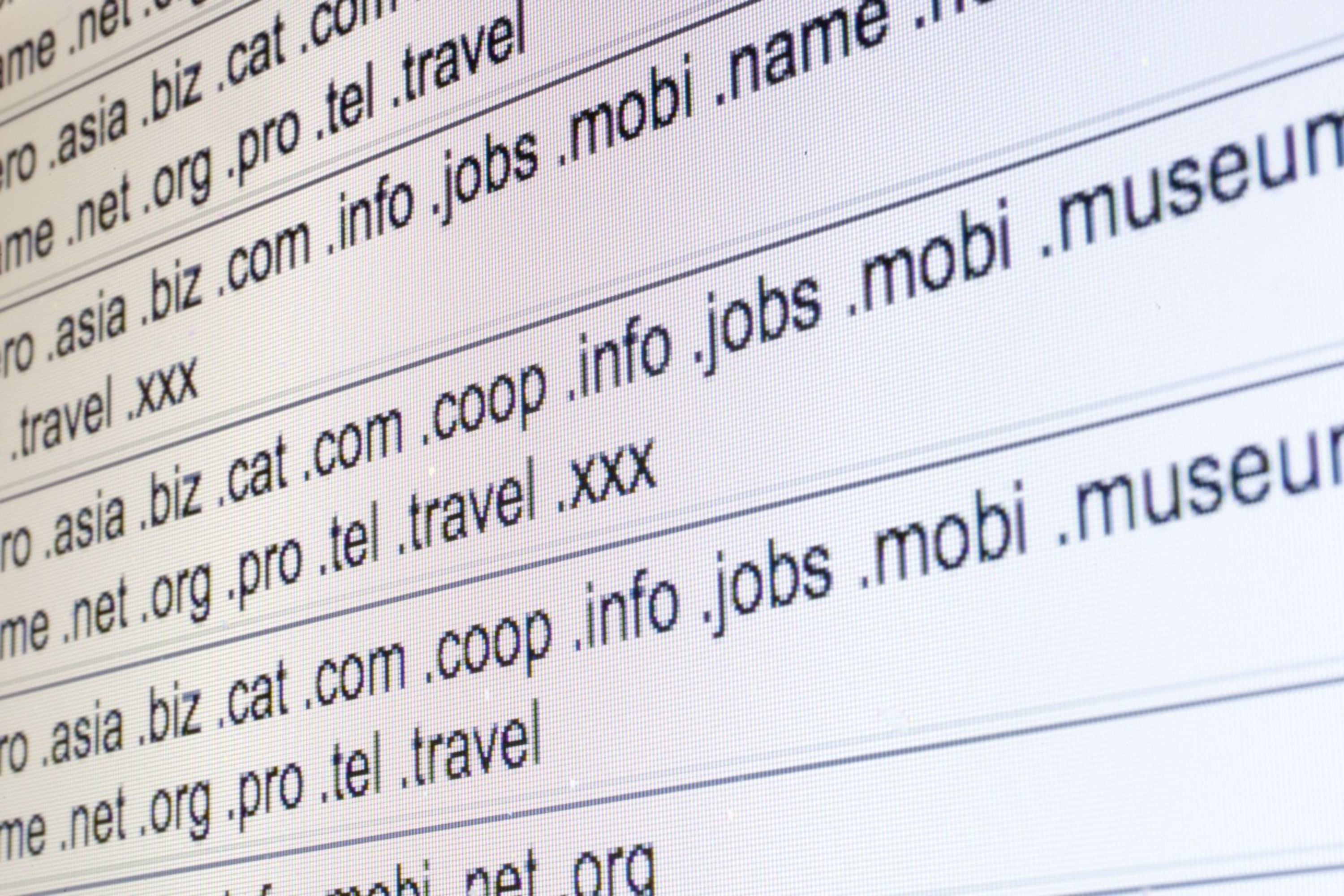
These domains aren't like regular URLs and if you try to visit them, the browser won't connect. Also called crypto domains, these are based on blockchain and are suddenly in high demand as crypto adoption improves and early adopters rush to buy them in the hope of making a packet by selling them later.
Think the dot-com era, when domain names were bought mostly in the hope that someone will come along and be willing to pay more for it. The same is now happening with Web3 domains.
"At the end of 1990s, there was a surge in demand for these domains because it was the easiest way to get discovered on the internet. They were sold for millions," said Ajmera, while refusing to disclose how many he has bought so far.
He has listed a few of them for sale on NFT marketplaces like OpenSea, which currently lists over 3,19,000 domain names for sale from just one registrar, with a floor price under 0.01 ETH.
According to Dune Analytics, a community-powered analytics platform, almost 90,000 domains were minted in November 2021, the highest ever in a single month. In total, there have been more than 3,69,000 unique registrations with more than 2,00,000 participants.
Some of those who bought these domains early have managed to sell them, in some cases at high prices. Recently, Budweiser bought the domain “beer.eth” for 30 ETH, or $95,000.
Web3 Goes Mainstream
The idea of Web3 has gradually gone mainstream. It is the name given to the idea that the internet of the future will be decentralised and based on blockchains. Every device or user on the network manages a tiny portion of the computation and communication happening on the network, creating a server-less network.
These URL-like addresses are in demand right now because they provide familiarity between Web2 and Web3, according to Anshul Rustaggi, founder, Totality Corp. The company makes NFT-based games and other Web3 products.
"We can remember our email or UPI ID because it's simple and choosable. Similarly, crypto domains help replace long, illegible strings of characters that represents a wallet or app," he added. "The increasing interest is directly proportional to crypto adoption because it adds convenience at every step of the way.”
They also help in building decentralised websites. It's possible to connect the domain to social media accounts and even set up real-time communications.
Ajmera said it's very rare to find a short .com address today, and he expects a similar deficit to hit crypto domains soon. "The shorter your domain, the more flex you have. It's a status symbol that signifies you're early to something," Rustaggi said.
Ethereum co-founder Vitalik Buterin's Twitter name is "vitalik.eth", while Ben Horowitz, co-founder of the venture capital firm Andreessen Horowitz, (a16z) uses "benahorowitz.eth" as his profile name.
Vishal Gupta, founder, TAG Protocol, said the Internet Corporation for Assigned Names and Numbers governs domains like .com via a distributed network, and any browser or app can access them since it's a public registry.
In the case of Web3 domains, Ethereum Name Service helps create a unique Twitter-like handle that points to the user's wallet. However, it has yearly costs and suffers from extremely high gas fees.
A gas fee is similar to a transaction fee that is charged by merchants or payment gateways, but in this case, it's dynamic and depends on the computational effort required to record the instance on the blockchain.
Although the cost of an ENS handle is barely $5, the gas fee to mint it on the Ethereum blockchain is expensive. A simple purchase on Dec. 1 would include $135 as gas fee.

"While Ethereum powers ENS, third-party providers like Unstoppable Domains leverage their own platform to provide domain names as a private registry," Gupta said.
Unstoppable Domains quotes a one-time registration fee ranging from $5 to $100.
However, it's essential to note that these domains don't work directly with the internet, cautioned Gupta. The users must have special browsers or plugins installed to ensure they're on the same network as the registrar or infrastructure provider to leverage these domains.
Rustaggi isn't confident about the long-term evolution of these simplified addresses as assets. The decentralisation creates opportunities for many more copycats or alternatives, stripping these domains of their rarity.
"A .com domain is valuable because it's unique and irreplaceable, and works across a standardised network like the internet. However, blockchain-based domains work within their silos or ecosystems, creating browser compatibility issues," he explained. "Tomorrow, another company can create a new Ethereum sidechain, and issue similar domains."
While it isn't easy to float an entire domain registry system from scratch, Rustaggi compares the new-gen domains to emails.
"Multiple email providers are available today, so there's no rush to grab one because folks will get what they want from one provider or the other. A similar concept applies here. The supply is practically unlimited, rendering the value to be worthless," he said.

-
Opinion | India at 38: From Innovation Overperformer to Innovation Powerhouse

India now has 453 VC-backed deep science startups, 18 of them late-stage, after 117 percent growth since 2020. Laurus Labs, at USD 9.3 billion, is the most valuable deep science company in any middle-income economy outside China.
-
Navigating Energy Crossroads: S Jaishankar's Call For Diversified Supply Chains At G20 Ministerial Meeting
As geopolitical fault lines continue to test maritime trade routes and commodity flows, Jaishankar's message remains pertinent: true economic resilience requires open markets, protected transit lines, and a genuine commitment to multilateral cooperation rather than coercion.
-
Indians Are Travelling, But Not Every Journey Is A Holiday | The Week In Whys
Pilgrims, patients and working women are the real travellers, and the system hasn't quite caught up with them.
-
Getting To Work Costs Women More | The Reason Why
It is not just about women paying more than men. It is about women paying much more in cities than in villages.
-
AI Bias In Investing Cannot Be Eliminated, But It Can Be Governed
Framing is a particularly important example as identical financial information presented in terms of gains rather than losses can lead an LLM to reach a different assessment.
-
Joining The Dots | Dark Skies, Steady Diya: Why Hope Holds This Diwali
With war, a weak rupee and foreign outflows weighing on sentiment, policymakers at the NDTV World Summit and market veterans at NDTV Profit Ignite: Diwali Edition offered the same advice: stay invested and filter out the noise.
-
The Curious Case of Equitas Small Finance Bank And A CEO Who Quit For Stock
PN Vasudevan believes persistent investor concerns over a perceived conflict of interest had become a governance overhang on Equitas Small Finance Bank's stock, even as the lender improved profitability and asset quality.
-
Talking Points This Week: AI Cash Burn, A Tiger Comeback And An India That Still Finds Its Own Path
India is not immune to higher oil or tighter global liquidity, yet its earnings base is broader, its domestic policy levers are still available.
-
Foreign Investors Own Half Of HDFC Bank and ICICI Bank. An LTCG Cut Could Matter Most Here
Foreign portfolio investors have US$115 billion parked in HDFC Bank, ICICI Bank. If the government cuts long-term capital gains tax, Jefferies says returning foreign money could land here first.










