Dollar Lurks Below Multi-Year Highs As Euro Gasps For Gas
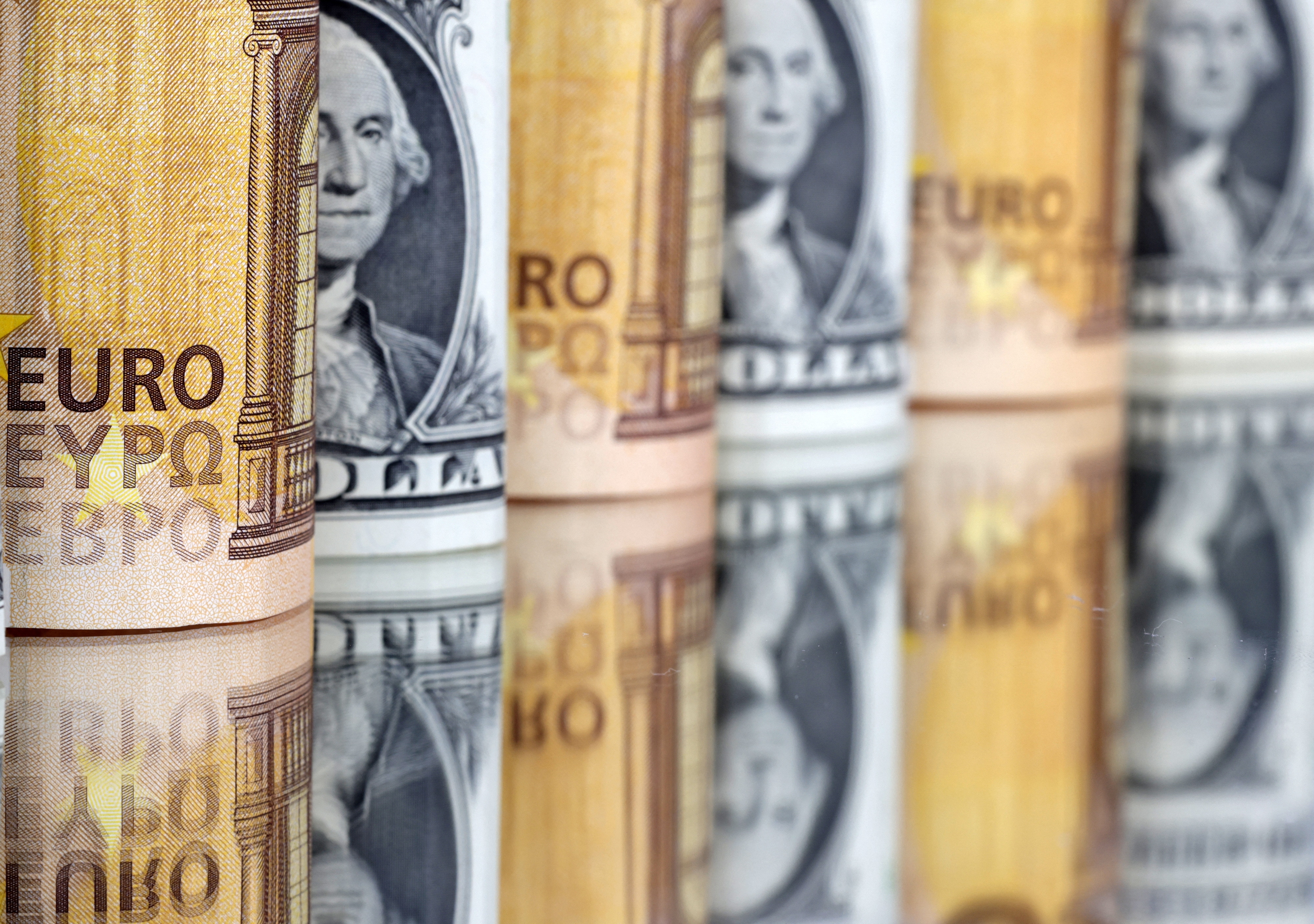
The dollar began the week nudging down from multi-year highs, with a hotter-than-forecast inflation reading in New Zealand lending modest support to the kiwi, though fears about Europe's gas supply put a cap on dollar selling.
The greenback has soared this year thanks to a combination of rising US interest rates and wobbling economies in Europe and China. It pushed above parity on the euro for the first time in almost 20 years last week, before easing back.
The euro last bought $1.0094 and the yen, which has tumbled about 17 per cent this year, steadied at 138.29 per dollar. The New Zealand dollar and the Aussie inched higher after inflation surged to a three-decade high in New Zealand.
Traders are holding their breath ahead of Thursday, when gas is supposed to resume flowing through the Nord Stream pipe from Russia to Germany after a shutdown for scheduled maintenance.
"If that doesn't happen, that would be a very bad thing for a lot of currencies," said Joseph Capurso, head of international economics at Commonwealth Bank of Australia, with the euro likely to be the biggest loser and the dollar a beneficiary.
The uncertainty is overshadowing a European Central Bank meeting, also due on Thursday, where policymakers are expected to begin Europe's hiking cycle with a 25 basis point (bp) increase.
The Bank of Japan meets on Thursday, too, though no policy changes are expected which could mean more pain for the beleaguered yen, while Japan has struck a lonely figure in pinning interest rates near zero.
Hike expectations firmed a little bit in Australia and New Zealand after data showing New Zealand's inflation hit a three-decade high last quarter was published on Monday.
At 7.3 per cent year-on-year price growth beat expectations, lifted two-year swap rates nearly 10 basis points and raised the kiwi by 0.5% to a one-week high of $0.6191.
The Australian dollar rose 0.3 per cent to $0.6814. Sterling drifted 0.2 per cent higher to $1.1890.
The US dollar index was steady at 107.830, a bit more than 1 per cent below last week's two-decade high of 109.290, though few seem willing yet to call a peak to the dollar's gains.
The Federal Reserve meets later in July and is expected to lift the benchmark U.S. interest rate by 75 bps. Even though that is more conservative than the 100 bp hike markets had priced in at one point last week, it is still quite a stiff increase.
"There has been a fixation with how the dollar is poised to weaken," analysts at HSBC said in an outlook report which instead raised the bank's dollar forecasts broadly.
"There has been too much attention paid to the dollar's frailties but not enough to the increasing ones elsewhere, which are causing the dollar to be overvalued.
"Global growth is slowing and the downside risks are intensifying, which is USD positive...this dollar bull run is not over yet."

-
Blue Wave Will Derail the AI Trade but Won't Dismantle the AI Era | Unhedged Position

The Democrats' sweep of the US Congress will see politics collide with economic forces both over the long and short term.
-
It's Time To Take The GST Council's Bet On Trust Global
Payment records can prove India's services exports, and clear, proportionate rules can bring foreign digital sellers into the tax net.
-
Opinion | India at 38: From Innovation Overperformer to Innovation Powerhouse
India now has 453 VC-backed deep science startups, 18 of them late-stage, after 117 percent growth since 2020. Laurus Labs, at USD 9.3 billion, is the most valuable deep science company in any middle-income economy outside China.
-
Navigating Energy Crossroads: S Jaishankar's Call For Diversified Supply Chains At G20 Ministerial Meeting
As geopolitical fault lines continue to test maritime trade routes and commodity flows, Jaishankar's message remains pertinent: true economic resilience requires open markets, protected transit lines, and a genuine commitment to multilateral cooperation rather than coercion.
-
Indians Are Travelling, But Not Every Journey Is A Holiday | The Week In Whys
Pilgrims, patients and working women are the real travellers, and the system hasn't quite caught up with them.
-
Getting To Work Costs Women More | The Reason Why
It is not just about women paying more than men. It is about women paying much more in cities than in villages.
-
AI Bias In Investing Cannot Be Eliminated, But It Can Be Governed
Framing is a particularly important example as identical financial information presented in terms of gains rather than losses can lead an LLM to reach a different assessment.
-
Joining The Dots | Dark Skies, Steady Diya: Why Hope Holds This Diwali
With war, a weak rupee and foreign outflows weighing on sentiment, policymakers at the NDTV World Summit and market veterans at NDTV Profit Ignite: Diwali Edition offered the same advice: stay invested and filter out the noise.
-
The Curious Case of Equitas Small Finance Bank And A CEO Who Quit For Stock
PN Vasudevan believes persistent investor concerns over a perceived conflict of interest had become a governance overhang on Equitas Small Finance Bank's stock, even as the lender improved profitability and asset quality.










