Deloitte To Repay Australian Government After AI-Generated Errors Found In Official Report
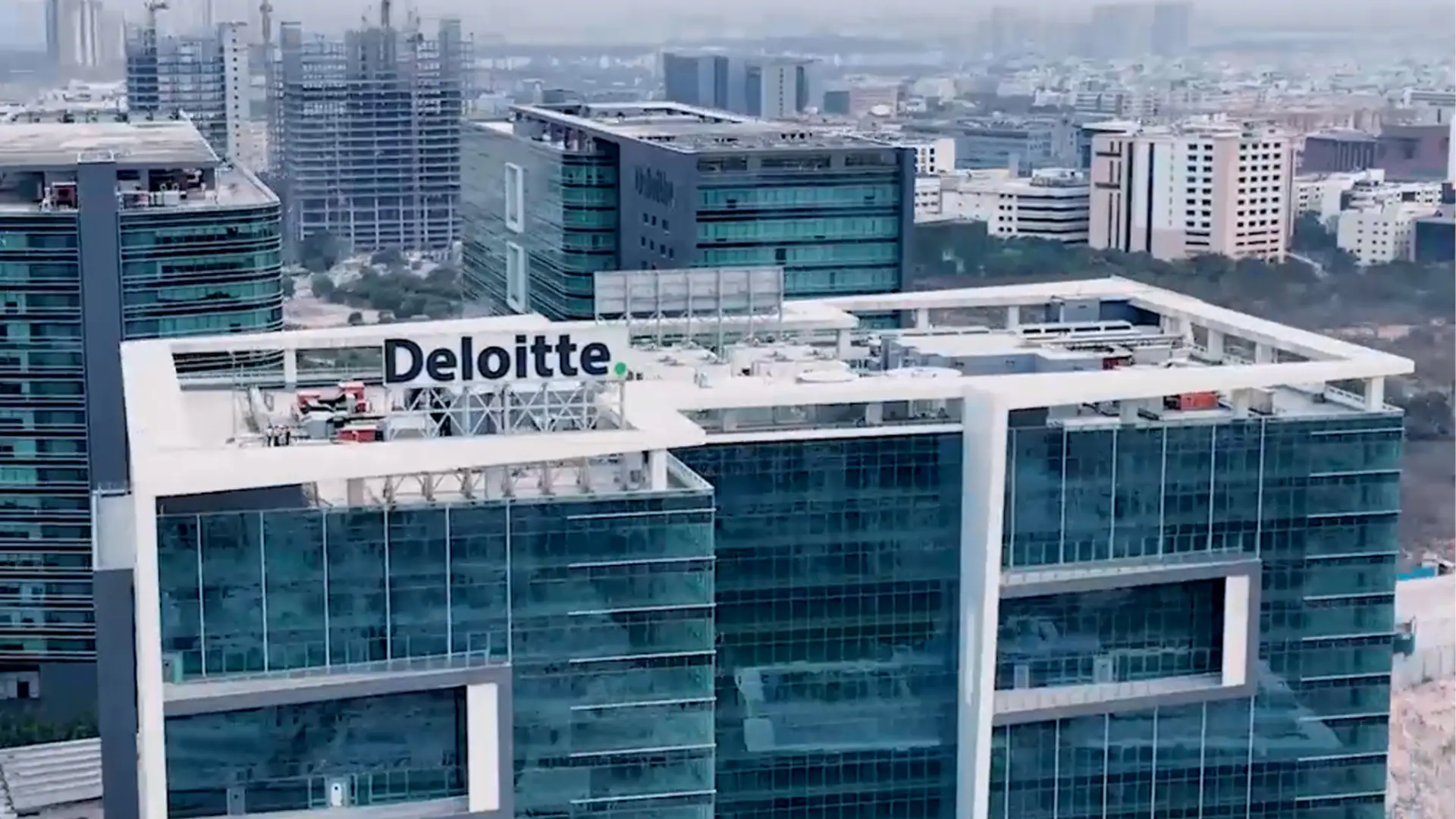
Global consultancy Deloitte has agreed to partially refund its $440,000 fee to the Australian government after admitting to the use of generative artificial intelligence (AI) tools in preparing "Future Made in Australia" an official report— a move that later led to several factual errors and fabricated references.
The report, commissioned in 2024 by the Department of Employment and Workplace Relations, was part of a review into the government's Future Made in Australia initiative, reported Guardian. It assessed the department's compliance framework and IT system, which automatically issues penalties to job seekers failing to meet their mutual obligation requirements.
When the report was released in July, it was soon discovered to contain multiple inaccuracies — including citations of non-existent academics and even a fabricated quote attributed to a Federal Court judgment, as reported by The Australian Financial Review. Following the revelations, the department published a corrected version of the report, removing more than a dozen false references and footnotes, updating its bibliography, and fixing numerous typographical errors.
The errors were first flagged by Dr Christopher Rudge, an Australian welfare academic, who described the inaccuracies as classic examples of AI “hallucinations” — a phenomenon in which AI tools generate false or misleading information to fill in knowledge gaps. “Rather than replacing a single fake reference with a real one, they've removed the hallucinated citations and added multiple legitimate sources in their place,” Rudge explained, suggesting that parts of the report were not properly evidence-based.
Deloitte admitted to using AI during the early drafting stages, specifically a large language model (Azure OpenAI GPT-4o), but maintained that the tool did not influence the report's “substantive content, findings or recommendations.” The firm said the report was subsequently “reviewed and refined by human experts,” and the use of AI was disclosed in the updated version.
A Deloitte spokesperson confirmed “the matter has been resolved directly with the client,” while the Department of Employment and Workplace Relations stated that the refund process is underway, according to NDTV. Officials also indicated that future consultancy contracts may impose stricter guidelines on the use of AI-generated material.
The episode has reignited debate over the ethical and professional responsibilities tied to AI-assisted work in high-value consultancy projects. As firms increasingly integrate AI to enhance productivity, questions persist over the transparency, accuracy, and value of such work.
Ironically, the controversy comes shortly after Deloitte announced a global partnership with Anthropic, granting its nearly 500,000 employees access to the Claude AI platform — underscoring how deeply artificial intelligence is now embedded in the professional services landscape.

-
High US Salaries, No Green Card Certainty: The Financial Calculation Facing Indian H-1B Families

The suspension of PERM processing at eight technology employers does not cancel existing H-1B visas. What it does is force a question many Indian families have been avoiding: is the US salary worth tying your career and family plans to one employer?
-
Swiggy vs Eternal: Food Delivery's Two Rivals Are No Longer In The Same Race
Eternal is building a private AI assistant, dark.ai. Swiggy is still working out how to make Instamart pay, with an operating loss of Rs 895 crore in the July-September quarter while Blinkit stayed profitable.
-
Where You Live Shapes How You Get To Work | The Reason Why
Two-wheelers are the most popular way to get to work in India, accounting for nearly 43% of workplace commutes.
-
Unhedged Position: Can India See An Indonesia-Style Time Correction?
The Nifty is trading below levels it first clocked in 2024. Is there, then, as I have suggested in the headline, potential that the current time correction drags on painfully for the next three-five, even ten years?
-
Navigating Friction And Energy Realities: An Analysis Of Marco Rubio's October Visit To India
Occurring at a critical juncture marked by stalled trade negotiations and escalating geopolitical pressures over global energy supplies, the visit offers a profound window into modern US-India relations.
-
India Exports Capital. Why Not Export Trusteeship?
The big question, then, is whether India can build an institution that global borrowers, investors, banks, and lawyers can trust, even without an Indian connection.
-
France's Economy & Politics Are In Crisis | The Reason Why
Let's look at how the French economy and politics evolved under Nicolas Sarkozy, Franois Hollande and Emmanuel Macron.
-
You May Inherit The Business. You Must Earn Its Credibility.
Succession tests the founder's ability to share authority as much as it tests the next generation's readiness to assume it.
-
Signing Deals Is One Thing; Making Them Work Is Another | The Week In Whys
Sometimes, things don't turn out as planned. Indian companies have lost some bids to rivals, some projects won't produce until 2030.
-
FOMC Wall, PERM Suspension, Hospital Stocks | Talking Points This Week
A PERM suspension would directly affect green-card sponsorship rather than H-1B visas, so the near-term earnings impact could remain relatively limited. The key question is whether this marks a new phase in US scrutiny of Indian IT.









