Delhi High Court Refuses To Ground An Entire Fleet Of IndiGo’s A320neo
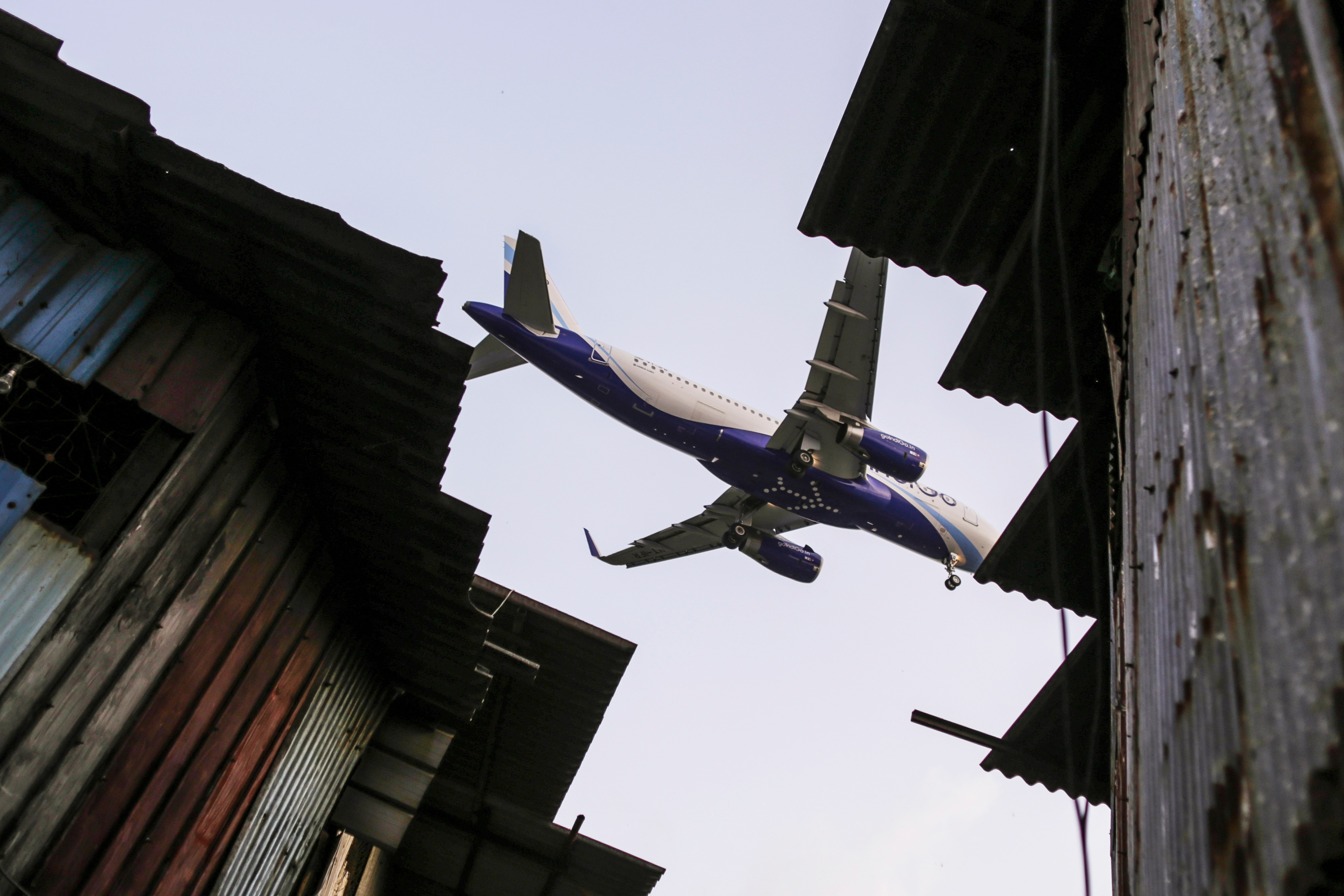
The Delhi High Court today refused to ground the entire fleet of IndiGo's A320neo aircraft, which allegedly have defective engines.
Advocate Yeshwanth Shenoy's said in his plea that IndiGo's A320neo fleet should be grounded until the manufacturers give in writing that the existing defects have been rectified and the DGCA is satisfied.
“Your (petitioner's) first prayer seeking direction to Directorate General of Civil Aviation to ground the entire fleet of Airbus A320neo cannot be granted,” a bench of Acting Chief Justice Gita Mittal and Justice C Hari Shankar said.
It, however, said that Shenoy's plea seeking various other directions to the authorities, including an order to ensure that all accidents are published on DGCA's website within 24 hours of its occurrence, shall be heard on March 20.
Also Read: IndiGo, GoAir Cancel 626 Flights This Month After Regulator Grounds 11 Planes
Aviation watchdog DGCA had on March 12 ordered IndiGo and GoAir to immediately ground 11 A320neo planes powered with a certain series of Pratt & Whitney engines after three incidents of mid-air engine failures occurred in less than a month.
Concerns over the safety of such planes increased with another engine failure, forcing an emergency landing of an IndiGo flight at Ahmedabad airport on March 12, and the regulator cracked the whip saying that there is no concrete proposal in place at this stage to address the issue.
A total of 14 A320neo aircraft fitted with a specific series of engines – 11 are operated by IndiGo and three by GoAir – have now been grounded. Three IndiGo planes are already on the ground following the problem.

-
High US Salaries, No Green Card Certainty: The Financial Calculation Facing Indian H-1B Families

The suspension of PERM processing at eight technology employers does not cancel existing H-1B visas. What it does is force a question many Indian families have been avoiding: is the US salary worth tying your career and family plans to one employer?
-
Unhedged Position: Can India See An Indonesia-Style Time Correction?
The Nifty is trading below levels it first clocked in 2024. Is there, then, as I have suggested in the headline, potential that the current time correction drags on painfully for the next three-five, even ten years?
-
Navigating Friction And Energy Realities: An Analysis Of Marco Rubio's October Visit To India
Occurring at a critical juncture marked by stalled trade negotiations and escalating geopolitical pressures over global energy supplies, the visit offers a profound window into modern US-India relations.
-
India Exports Capital. Why Not Export Trusteeship?
The big question, then, is whether India can build an institution that global borrowers, investors, banks, and lawyers can trust, even without an Indian connection.
-
France's Economy & Politics Are In Crisis | The Reason Why
Let's look at how the French economy and politics evolved under Nicolas Sarkozy, Franois Hollande and Emmanuel Macron.
-
You May Inherit The Business. You Must Earn Its Credibility.
Succession tests the founder's ability to share authority as much as it tests the next generation's readiness to assume it.
-
Signing Deals Is One Thing; Making Them Work Is Another | The Week In Whys
Sometimes, things don't turn out as planned. Indian companies have lost some bids to rivals, some projects won't produce until 2030.
-
FOMC Wall, PERM Suspension, Hospital Stocks | Talking Points This Week
A PERM suspension would directly affect green-card sponsorship rather than H-1B visas, so the near-term earnings impact could remain relatively limited. The key question is whether this marks a new phase in US scrutiny of Indian IT.
-
Everything, Everywhere, All At Once: Dalal Street's Week To Forget | Joining The Dots
Visa curbs, a Starlink spat and cancer drug caps: what connects this week's shocks for Indian markets
-
India Is Going Abroad For Critical Minerals. But It May Take Years To Pay Off | The Reason Why
Although India's steps are in the right direction, they remain modest compared with India's growing dependence.









