Delhi High Court Asks Liberty House To Pay Rs 50 Lakh To SBI
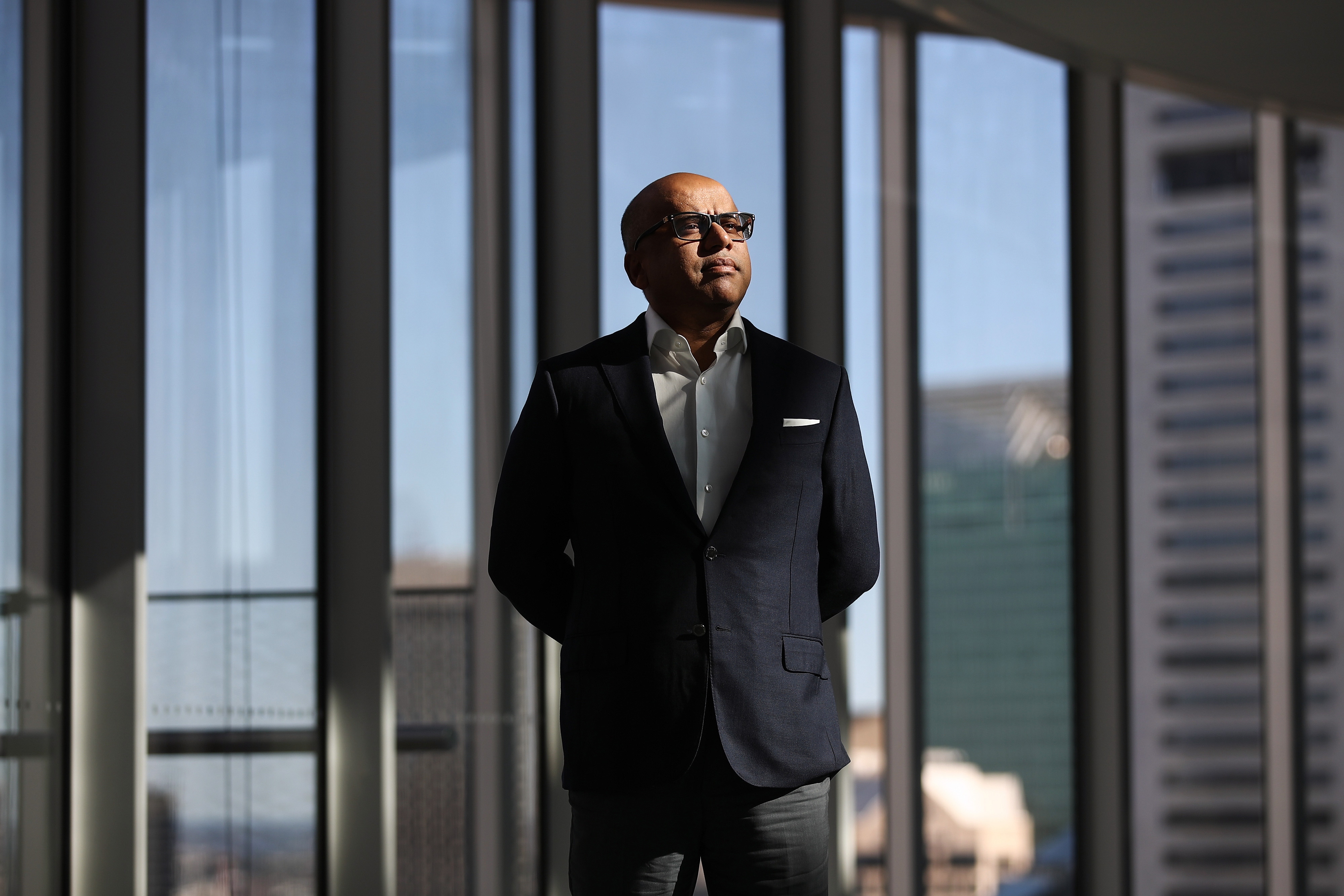
The Delhi High Court, in an order on Friday, asked U.K.-based Liberty House Group to pay Rs 50 lakh to State Bank of India within four weeks, as penalty for forcing the bank to engage in legal proceedings with respect to two insolvent subsidiaries of Amtek Auto Ltd.
Liberty House approached the high court, seeking that SBI be barred from encashing the bid bond guarantees provided by the U.K.-based investor when bidding for Castex Technologies Ltd. and ARGL Ltd. In 2017, both these companies entered insolvency resolution proceedings, and in each case the Committee of Creditors approved Liberty House as the winning bidder. However, the bidder eventually changed its mind. It did the same in the case of parent company Amtek Auto.
According to the details available in the court order, Liberty House had provided bid bond guarantees worth Rs 40 crore when bidding for Castex Technologies and Rs 10 crore for ARGL. These were issued by Barclays Bank and Bank of Baroda, respectively.
On being approved as the winning bidder, the resolution professional of each company asked Liberty House to also submit performance bank guarantees—Rs 100 crore in the case of Castex Technologies and Rs 60 crore for ARGL. The performance guarantees were to be submitted within 10 days of the bidder receiving the letter of intent from the CoCs, failing which its resolution plan would be considered non-responsive and the CoC would be free to invoke the bid bond guarantees submitted earlier.
Liberty House asked the creditors to offset the bid bond guarantees towards the amounts owed as performance guarantees and open escrow accounts for the remaining. The creditors, however, rejected the proposal and asked for performance guarantees to be submitted in full.
Liberty House did not submitted the performance bank guarantees, thereby SBI, the lead lender for both Castex Technologies and ARGL, invoked the bid bond guarantees, and received Rs 50 crore from Barclays Bank and Bank of Baroda.
In November 2018, Liberty House approached the Delhi High Court and sought that:
- SBI be barred from invoking the bid bond guarantees
- Barclays Bank and Bank of Baroda be barred from paying the amounts to SBI
Double Whammy
Liberty House's arguments didn't succeed at the high court. The court upheld the invocation of the guarantees, admonished Liberty House for wasting time and fined it a total Rs 50 lakh for doing so.
...what emerges on going through all the documents is that the plaintiff, after submitting the resolution plans and after the same were approved by the CoC, has had second thought and/or was not in a position to furnish Performance Bank Guarantee and started making counteroffer, of conversion of Bid Bond Guarantee into Performance Bank Guarantee and opening of an escrow account for the balance amount of the PBG and which was not acceptable to the RP/CoC who, after giving sufficient latitude to the plaintiff have invoked the BGs.Delhi High Court Order
Agreeing with the argument SBI made—that the high court does not have jurisdiction in cases involving the Insolvency and Bankruptcy Code, 2016—the Delhi High Court noted that there was no proof that the invocation of the bank guarantees was a case of fraud and therefore, there was no civil dispute in the matter, where the court could intervene. It left it up to the National Company Law Tribunal to determine the use of the guarantee funds.
The court also noted that Liberty House's actions had resulted in wastage of time in an otherwise time-bound insolvency resolution process. This could likely result in both these companies being liquidated. It also pointed out that this litigation has caused a three-month delay in payment to SBI after the bank invoked the guarantees..
“The loss caused by such conduct of the plaintiff is thus mammoth, having adverse consequences on all the creditors and shareholders of the said two companies and also on the economy of the country and to remedy which, the code was enacted,” said the high court.

-
Blue Wave Will Derail the AI Trade but Won't Dismantle the AI Era | Unhedged Position

The Democrats' sweep of the US Congress will see politics collide with economic forces both over the long and short term.
-
It's Time To Take The GST Council's Bet On Trust Global
Payment records can prove India's services exports, and clear, proportionate rules can bring foreign digital sellers into the tax net.
-
Opinion | India at 38: From Innovation Overperformer to Innovation Powerhouse
India now has 453 VC-backed deep science startups, 18 of them late-stage, after 117 percent growth since 2020. Laurus Labs, at USD 9.3 billion, is the most valuable deep science company in any middle-income economy outside China.
-
Navigating Energy Crossroads: S Jaishankar's Call For Diversified Supply Chains At G20 Ministerial Meeting
As geopolitical fault lines continue to test maritime trade routes and commodity flows, Jaishankar's message remains pertinent: true economic resilience requires open markets, protected transit lines, and a genuine commitment to multilateral cooperation rather than coercion.
-
Indians Are Travelling, But Not Every Journey Is A Holiday | The Week In Whys
Pilgrims, patients and working women are the real travellers, and the system hasn't quite caught up with them.
-
Getting To Work Costs Women More | The Reason Why
It is not just about women paying more than men. It is about women paying much more in cities than in villages.
-
AI Bias In Investing Cannot Be Eliminated, But It Can Be Governed
Framing is a particularly important example as identical financial information presented in terms of gains rather than losses can lead an LLM to reach a different assessment.
-
Joining The Dots | Dark Skies, Steady Diya: Why Hope Holds This Diwali
With war, a weak rupee and foreign outflows weighing on sentiment, policymakers at the NDTV World Summit and market veterans at NDTV Profit Ignite: Diwali Edition offered the same advice: stay invested and filter out the noise.
-
The Curious Case of Equitas Small Finance Bank And A CEO Who Quit For Stock
PN Vasudevan believes persistent investor concerns over a perceived conflict of interest had become a governance overhang on Equitas Small Finance Bank's stock, even as the lender improved profitability and asset quality.










