Critical Minerals At Higher Risk Of Painful Disruption, Says IEA
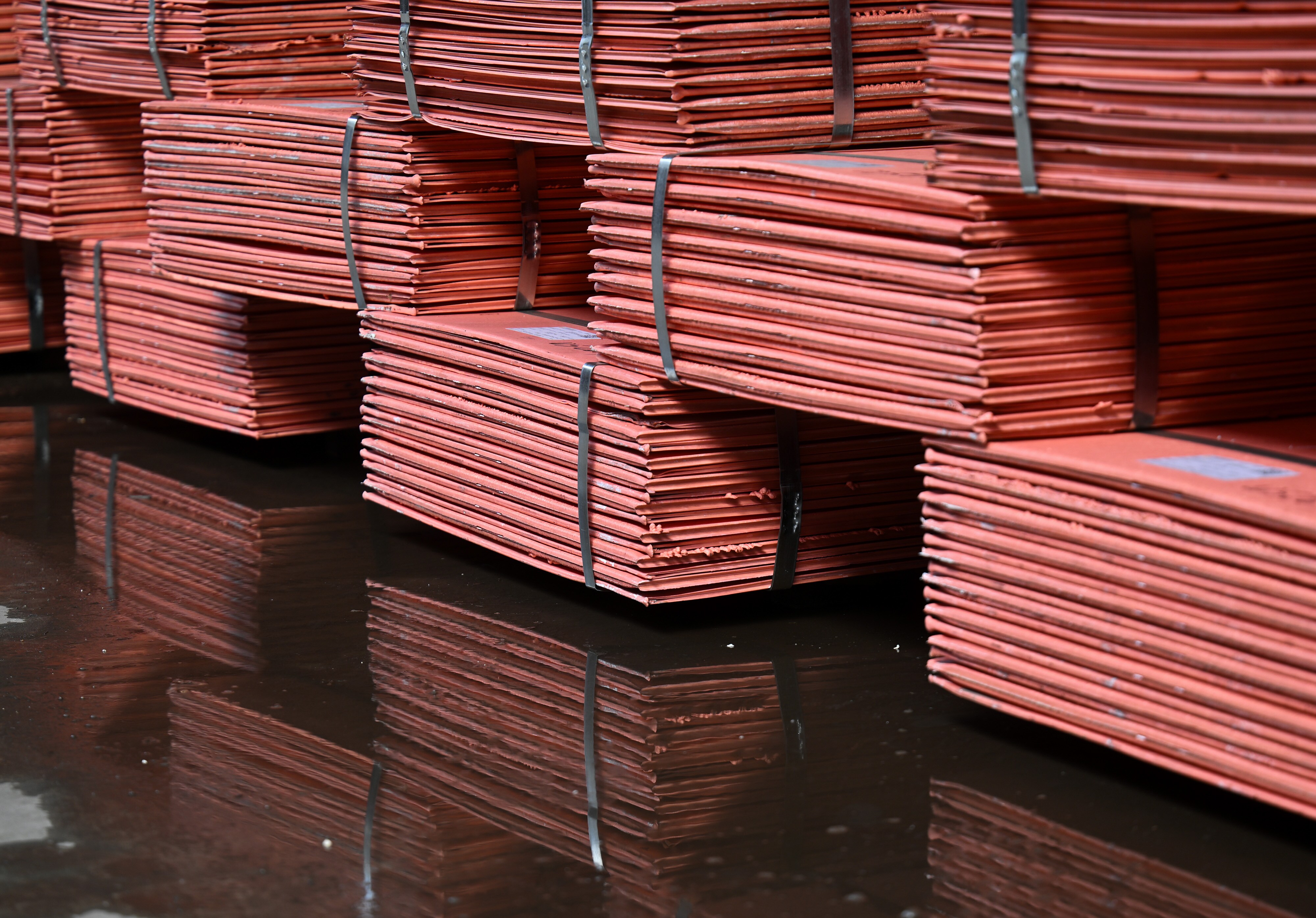
Critical minerals are at increasing risk of “painful disruption” due to their higher concentration in a handful of countries and the spread of export restrictions, according to a report from the International Energy Agency.
Progress toward more diversified supply chains will be slow, according to the agency's outlook for 2025 released on Wednesday. Investment momentum has weakened after spending growth fell last year and exploration activity plateaued, while start-up funding also showed signs of slowing, it said.
For copper, lithium, nickel, cobalt, graphite and rare earth elements, the IEA said the average market share of the top three producers rose to 86% in 2024, with almost all supply growth centered on a single supplier — Indonesia for nickel and China for the others.
The IEA said 55% of the energy-related strategic minerals covered in the report are now subject to some form of export control. Meanwhile, the scope of restrictive measures is widening to encompass not just raw and refined materials but also processing technologies.
China is the leading refiner of 19 of the 20 minerals analyzed by the IEA, and the country has an average market share of around 70%. While the market sizes may be small for some, disruptions could have outsized economic impacts, and 15 of the minerals have exhibited greater price volatility than oil, it said.
The IEA highlighted major risks facing copper markets as countries look to expand their electricity networks while the current pipeline for mine projects points to a 30% supply deficit by 2035.
For battery metals, major supply increases – led by China, Indonesia and parts of Africa – have put downward pressure on prices. Various battery technologies also face high concentration risks, with China controlling the supply chains for vital components such as manganese sulphate and phosphoric acid.

-
Talking Points This Week: Tech Nerves, FII Buying, And A Faraway Banking Shock

The global markets are not shining this Diwali. The exception in the large markets is, India.
-
Midterm Rally Lasted A Day. The Hard Reality Of A Divided US May Last Two Years | Opinion
Between a contested AI boom, a debt ceiling that arrives in 2027 and a president with every incentive to act alone, the next two years may prove more volatile than the first day's rally suggests.
-
Blue Wave Will Derail the AI Trade but Won't Dismantle the AI Era | Unhedged Position
The Democrats' sweep of the US Congress will see politics collide with economic forces both over the long and short term.
-
It's Time To Take The GST Council's Bet On Trust Global
Payment records can prove India's services exports, and clear, proportionate rules can bring foreign digital sellers into the tax net.
-
Opinion | India at 38: From Innovation Overperformer to Innovation Powerhouse
India now has 453 VC-backed deep science startups, 18 of them late-stage, after 117 percent growth since 2020. Laurus Labs, at USD 9.3 billion, is the most valuable deep science company in any middle-income economy outside China.
-
Navigating Energy Crossroads: S Jaishankar's Call For Diversified Supply Chains At G20 Ministerial Meeting
As geopolitical fault lines continue to test maritime trade routes and commodity flows, Jaishankar's message remains pertinent: true economic resilience requires open markets, protected transit lines, and a genuine commitment to multilateral cooperation rather than coercion.
-
Indians Are Travelling, But Not Every Journey Is A Holiday | The Week In Whys
Pilgrims, patients and working women are the real travellers, and the system hasn't quite caught up with them.
-
Getting To Work Costs Women More | The Reason Why
It is not just about women paying more than men. It is about women paying much more in cities than in villages.
-
AI Bias In Investing Cannot Be Eliminated, But It Can Be Governed
Framing is a particularly important example as identical financial information presented in terms of gains rather than losses can lead an LLM to reach a different assessment.









