How To To Use Credit Cards Wisely: 5 Things To Know
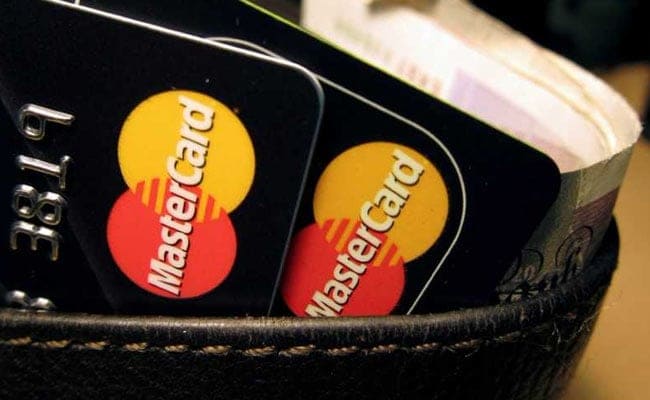
Banks today provide several types of credit cards that offer different features. From lifestyle- or entertainment-focused credit cards, wherein the credit card user earns reward points and discounts on movie tickets, or gets deals on shopping of apparels, to credit cards aimed at fuel purchases, which offer benefits on purchase of petrol or diesel using the card, credit cards now offer a variety of benefits. However, the user must have a clear idea of the features, rewards and the charges payable in detail to make the most of his/ her credit card, say financial planners.
Here are five things pointed out by experts which promote wise use of credit cards:
1. Know the features in detail: A credit card may be issued for free, but may attract an annual renewal fee. On the other hand, a card may offer such benefits that are different from the most frequent transactions made by the customer. Experts advise not to select a credit card if the benefit offered is attractive but not suitable to the individual's lifestyle. For example, a customer may like the idea of using petrol/diesel transactions to earn credit card rewards, but may not actually use cards for purchase of fuel. The government incentivizes the use of card payments for purchase of fuel, in terms of cashback of 0.75 per cent on the amount of transaction.
"There may be cards that charge zero annual fees but may charge surcharge on fuel purchase. If you use your card primarily to refuel your car, you may spend more on surcharges than what you would save on annual charges. So be clear about the purpose for which you would be using the card," said Navin Chandani, chief business development officer, BankBazaar.com.
2. Know repayment capacity: Many a times, credit card users utilise more credit than their purchasing power. If not managed properly, spending beyond one's usual purchasing capacity in case of availability of credit may lead to a debt trap, given the high interest rates charged by credit card companies, say experts.
3. Make timely payments: Paying credit card bills in due time and refraining from making the minimum payment allowed goes a long way when it comes to building a credit profile, say financial planners.
4. Keep credit utilization rate under control: Lenders take several factors into account while considering a loan or credit card application. These include credit score, loan service history and credit utilisation. Low credit utilisation reflects financial security and contributes to creditworthiness of an individual.
"Credit utilisation is a key factor that influences your credit score. If you regularly maximize the credit card utilization limit and only pay the minimum amount due, this may be viewed as a sign of financial duress and undisciplined credit behavior, and will impact your credit profile," said Sujata Ahlawat, vice president and head-DTC Interactive at TransUnion CIBIL, a credit information company.
Financial experts believe that it is safe to use up to 40 per cent of the sanctioned limit on a credit card.
5. Pay maximum amount possible in due time: Avoiding paying the minimum amount permitted in the credit card bill can lead to a low credit score. Signs of financial distress render a borrower as a risky bet, which means higher chance of defaulting on repayments, say experts.
"Payment history and credit utilisation are the two most important factors and do contribute to more than 50 per cent of one's credit score. It is highly important to keep these two factors in good standing. Payment history is built over a time period but can be ruined if one misses a couple of payments," said Rahul Agarwal, director of Wealth Discovery.

-
Talking Points This Week: Tech Nerves, FII Buying, And A Faraway Banking Shock

The global markets are not shining this Diwali. The exception in the large markets is, India.
-
Midterm Rally Lasted A Day. The Hard Reality Of A Divided US May Last Two Years | Opinion
Between a contested AI boom, a debt ceiling that arrives in 2027 and a president with every incentive to act alone, the next two years may prove more volatile than the first day's rally suggests.
-
Blue Wave Will Derail the AI Trade but Won't Dismantle the AI Era | Unhedged Position
The Democrats' sweep of the US Congress will see politics collide with economic forces both over the long and short term.
-
It's Time To Take The GST Council's Bet On Trust Global
Payment records can prove India's services exports, and clear, proportionate rules can bring foreign digital sellers into the tax net.
-
Opinion | India at 38: From Innovation Overperformer to Innovation Powerhouse
India now has 453 VC-backed deep science startups, 18 of them late-stage, after 117 percent growth since 2020. Laurus Labs, at USD 9.3 billion, is the most valuable deep science company in any middle-income economy outside China.
-
Navigating Energy Crossroads: S Jaishankar's Call For Diversified Supply Chains At G20 Ministerial Meeting
As geopolitical fault lines continue to test maritime trade routes and commodity flows, Jaishankar's message remains pertinent: true economic resilience requires open markets, protected transit lines, and a genuine commitment to multilateral cooperation rather than coercion.
-
Indians Are Travelling, But Not Every Journey Is A Holiday | The Week In Whys
Pilgrims, patients and working women are the real travellers, and the system hasn't quite caught up with them.
-
Getting To Work Costs Women More | The Reason Why
It is not just about women paying more than men. It is about women paying much more in cities than in villages.
-
AI Bias In Investing Cannot Be Eliminated, But It Can Be Governed
Framing is a particularly important example as identical financial information presented in terms of gains rather than losses can lead an LLM to reach a different assessment.









