CPI Inflation Preview: Atta And Oil To Salt, Daily Items See Prices Rise To Decadal Highs
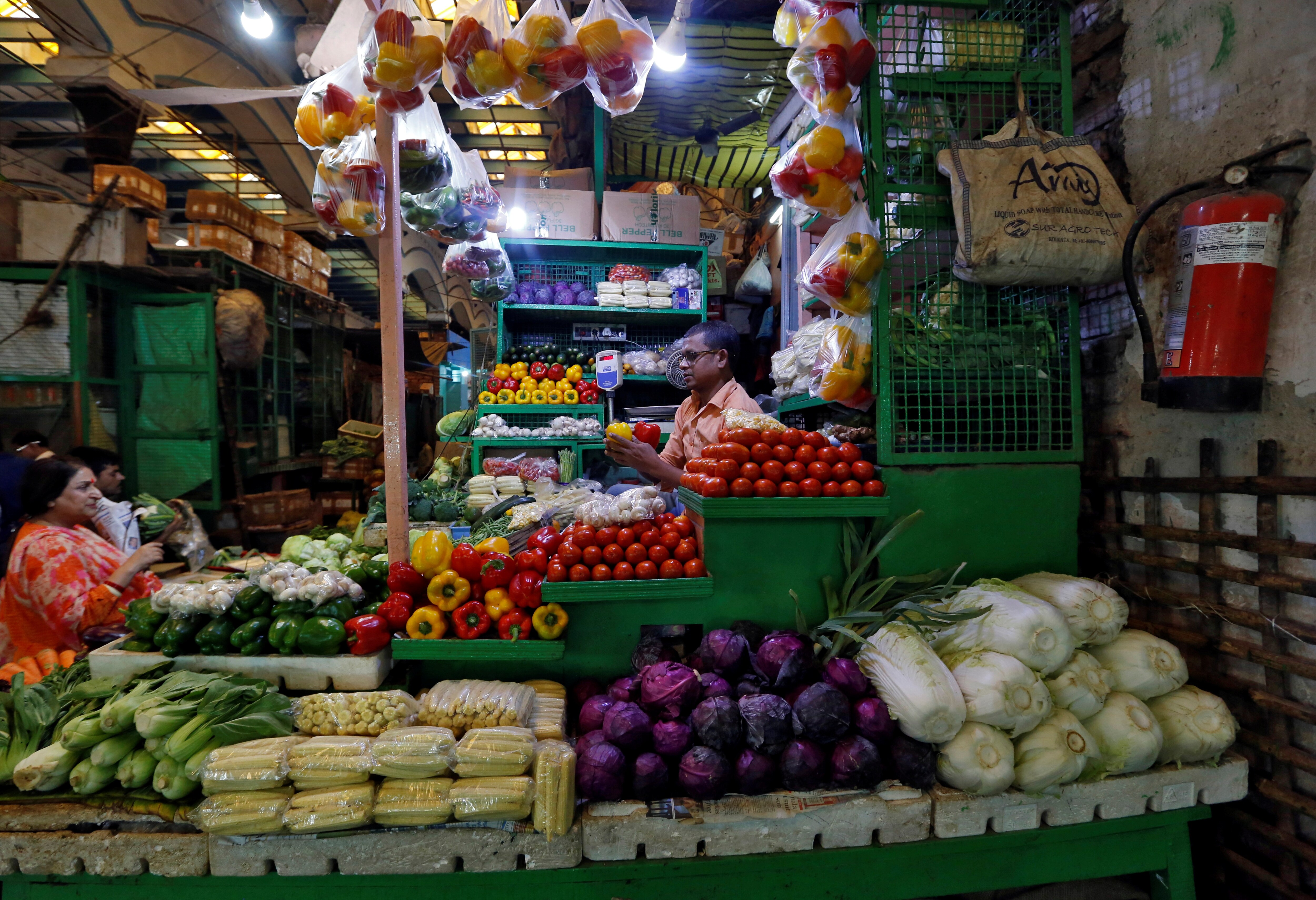
The atta for your chapattis, the oil for your cooking, the salt for seasoning, the milk for your chai—a number of items of daily use saw prices rise further in April, with some costing the most in at least a decade.
The average monthly prices of nine of the 22 food items that the Department of Consumer Affairs tracks on a daily basis rose to the highest on record in April.
Wheat, atta, edible oils, including groundnut oil, soya oil, palm oil, sunflower oil, vanaspati, milk and salt were retailing at the highest prices since 2012. Comparable data prior to that is not available.
In April, the daily prices of 22 essential food items are up 0.85% month-on-month on an average, and by 9.7% year-on-year on an average, according to data compiled by BQ Prime from the Department of Consumer Affairs.
To be sure, the weights of these commodities differ in the CPI basket, which comprises nearly 300 items in total. Still, food inflation, which has been the largest contributor to the rise in headline inflation, is set to rise further.
Of the 22 items monitored on a daily basis by the Department of Consumer Affairs, more than half continued to see a sequential rise in prices. Tomatoes saw the sharpest rise in prices month-on-month, followed by edible oils.
While in a growing economy, some rise in prices is healthy, the pace at which prices across food items is rising has accelerated with food inflation hitting 7.5% in March.
In April, by Barclays' estimates, food inflation will rise further to 7.8%. Nirmal Bang forecasts food inflation a tad higher at 7.88%.
Overall inflation, according to a poll by Bloomberg, is seen rising to 7.43%—the highest in 18 months.
Unsurprisingly, a lot of the sequential increases are likely being driven by edible oil prices, which continued to trend higher in April, and are set to rise further in May given Indonesia's recent ban on edible oil exports, said Rahul Bajoria, chief economist at Barclays, in a note dated May 6, 2022. Higher feed costs are also likely pushing up the prices of chicken and milk, he said.
While the rise will mainly be led by higher edible oil prices, other categories like meat and fish, fruits, vegetables, milk and cereals have also witnessed sequential rise in prices, economist Teresa John said in a research note dated May 8, 2022. Indonesia's ban on crude palm oil exports will also keep edible oil prices elevated in the near term, she said.
Fuel Adds To Food Price Pain
The rise in food prices is accompanied with a rise in prices of fuel, LPG and kerosene. Together, food and fuel make up for close to 60% of the consumer basket.
While retail selling price of diesel saw an increase of 9.7% on an average in April from March, petrol prices rose 8.9%, according to data by the Petroleum Planning and Analysis Cell.
In March, the government hiked the price of LPG by Rs 50, followed by a second hike of just as much over this weekend. Retail prices for a 14.2 kg LPG cylinder now having breached the Rs 1,000-mark in some districts, according to data by Indian Oil.
No Respite On Any Front
Core inflation, excluding food and fuel, is also set to rise further.
It is estimated to rise to 7% year-on-year, according to Bajoria's estimates.
"We expect prices hikes in a series of input goods as well as higher global commodity prices to have pushed core inflation up to 7% year-on-year- which would be the highest print in almost eight years," he said.
Pass through of higher input costs to retail prices and services sector inflation, supported by the opening up of the economy, will also add to the pressure on core inflation, John said. Gold prices, however, have eased on month-on-month basis, which provides some respite, she added.
Given that acyclical inflation tends to be sticky and both food and fuel inflation are likely to continue rising into the July-September quarter, headline inflation is forecast to average 6.8% in the April-June quarter and 7% in the July-September quarter, up from 6.3% in the January-March quarter, Priyanka Kishore, head of India and South East Asia for macro and investor services at Oxford Economics, said.
"We expect the FY23 inflation outcome to exceed the RBI's forecast by a wide margin at 6.6%," Kishore added.
Given the inflation trajectory, further policy rate hikes are no longer a matter of if but of how much. India's monetary policy authority kicked off its rate hiking cycle with a 40-basis-point hike in the repo rate at an unscheduled meet in May.
"Our calculations suggest that inflation could remain above the RBI's target band for three consecutive quarters from January-September 2022, marking the first official failure of the monetary framework, Bajoria said, forecasting a 50-basis-point hike in repo rate in June.

-
Ten Things I Learnt This Samvat

Patience can be a trap. Cheap stocks can stay cheap. Leverage can wipe you out. What did Samvat 2082 teach us? Niraj Shah writes on 10 lessons from the year gone by.
-
Talking Points This Week: Tech Nerves, FII Buying, And A Faraway Banking Shock
The global markets are not shining this Diwali. The exception in the large markets is, India.
-
Midterm Rally Lasted A Day. The Hard Reality Of A Divided US May Last Two Years | Opinion
Between a contested AI boom, a debt ceiling that arrives in 2027 and a president with every incentive to act alone, the next two years may prove more volatile than the first day's rally suggests.
-
Blue Wave Will Derail the AI Trade but Won't Dismantle the AI Era | Unhedged Position
The Democrats' sweep of the US Congress will see politics collide with economic forces both over the long and short term.
-
It's Time To Take The GST Council's Bet On Trust Global
Payment records can prove India's services exports, and clear, proportionate rules can bring foreign digital sellers into the tax net.
-
Opinion | India at 38: From Innovation Overperformer to Innovation Powerhouse
India now has 453 VC-backed deep science startups, 18 of them late-stage, after 117 percent growth since 2020. Laurus Labs, at USD 9.3 billion, is the most valuable deep science company in any middle-income economy outside China.
-
Navigating Energy Crossroads: S Jaishankar's Call For Diversified Supply Chains At G20 Ministerial Meeting
As geopolitical fault lines continue to test maritime trade routes and commodity flows, Jaishankar's message remains pertinent: true economic resilience requires open markets, protected transit lines, and a genuine commitment to multilateral cooperation rather than coercion.
-
Indians Are Travelling, But Not Every Journey Is A Holiday | The Week In Whys
Pilgrims, patients and working women are the real travellers, and the system hasn't quite caught up with them.
-
Getting To Work Costs Women More | The Reason Why
It is not just about women paying more than men. It is about women paying much more in cities than in villages.









