Covid-19 Stalls FMCG Sector’s Nascent Recovery, Says Nielsen India
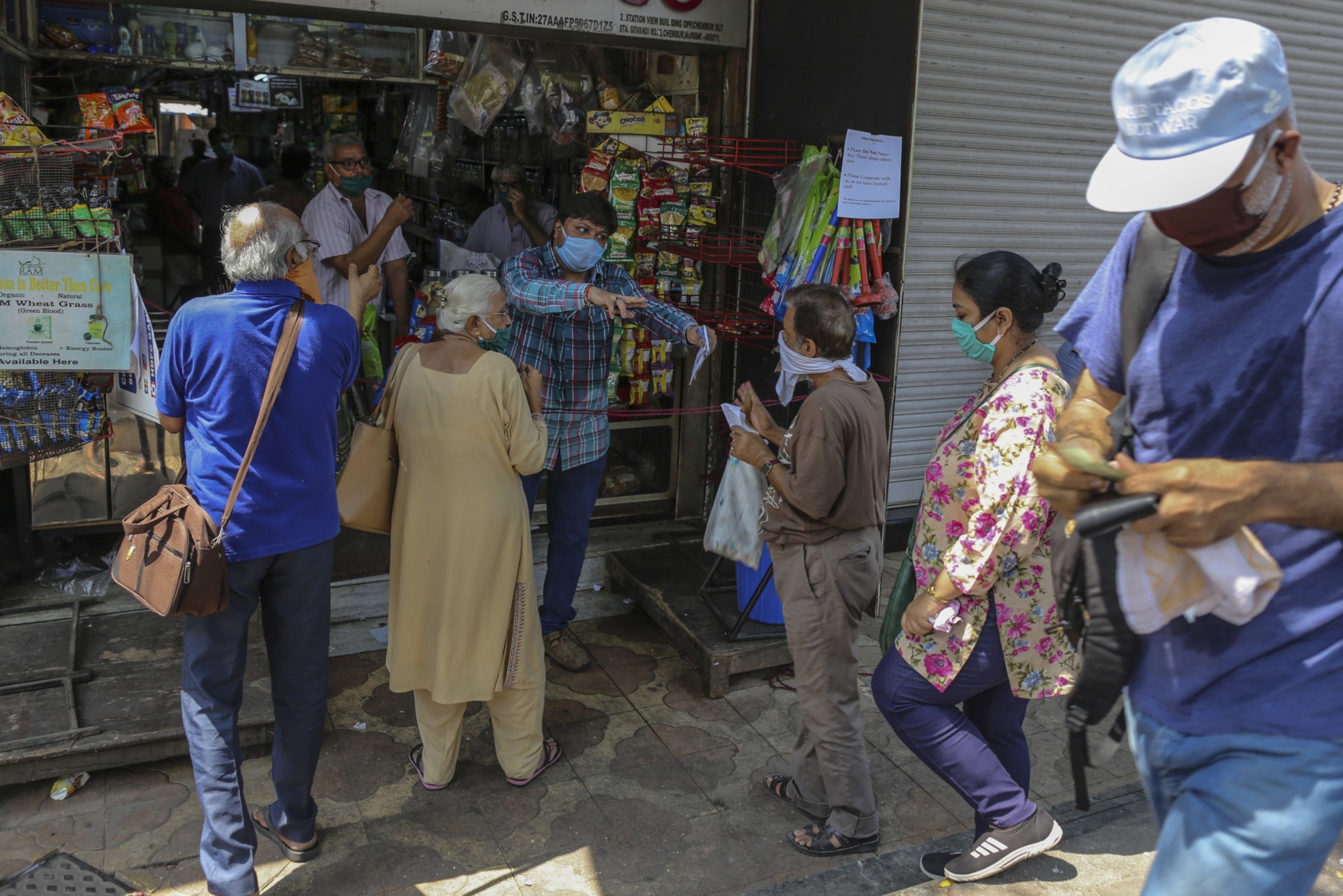
Value growth of India's consumer goods makers fell to its lowest in at least seven quarters as the new coronavirus pandemic clobbered sales of the sector that was already battered by slowing consumption.
The industry's value growth—a combination of volume and price-led expansion—stood at 5.3 percent on an annual basis in the quarter ended March, according to Nielsen India. That compares with 6.5 percent in the preceding three months and 13.4 percent a year ago.
Volume growth of the sector, too, dropped to 2.6 percent from 3.5 percent in the previous quarter and 9.9 percent in the year-ago period.
India's fast-moving consumer goods makers, according to the market researcher, witnessed early signs of recovery and stabilisation in the first two months of the year. That may have cushioned easing volume growth for the companies amid the worst consumption slowdown in a decade. But the coronavirus pandemic only made matters worse.
Value growth stood at 6.4 percent in the first two months of the calendar year 2020. But it fell to 3.3 percent in March as the number of Covid-19 cases rose in India.
“Despite consumers buying more hygiene products like sanitisers, hand wash and floor cleaners, which fall in the non-foods category, as Covid-19 started to spread in March, major growth drivers in the categories like soaps, detergents and toothpastes did not witness any significant uptick in consumption, impacting growth of the entire category,” Sharang Pant, lead, retail vertical and RMS, at Nielsen Global Connect, told BloombergQuint.
- In January and February, value growth in the foods segment stood at 8.6 percent. It fell to 6.2 percent in March.
- Value growth of the foods segment stood at 7.8 percent during the quarter, while that of the non-foods category was at 1.8 percent.
With the inclusion of e-commerce, value growth of the fast-moving consumer goods sector stood at 6.3 percent in the January-March period. That compares with 7 percent in the previous three months and 13.8 percent a year ago.
While in metros the sector grew at 4.8 percent during the reported quarter, value growth in rural India— that contributes 36 percent to overall spends on FMCG—was at 4.9 percent. The sector's value growth in towns with a population of 1-10 lakh stood at 6.1 percent and at 6.5 percent in the rest of urban India with less than 1 lakh people.
- Value growth of FMCG goods sold in South India fell to 8.8 percent during the first quarter from 10.4 percent in the October-December period and 11.1 percent a year ago.
- East India was the most impacted with value growth at 2.6 percent against 5.6 percent in the preceding quarter and 14.9 percent last year.
- Value growth in north India stood at 4.7 percent against 5.7 percent in the preceding three months and 15.1 percent a year ago.
- West India saw 5 percent value growth compared with 4.6 percent in the quarter ended December and 12.4 percent in the year-ago period.
Also Read: HUL's Q4 Revenue Hits Nine-Quarter Low; Volumes Contract
Outlook
- Nielsen India cut its growth forecast for the FMCG sector, including e-commerce, to 5-6 percent for the year from 9-10 percent earlier.
- Growth in the second half of the year is expected to be marginally higher than the first half.
- The lockdown to prevent the Covid-19 spread, rising unemployment and reduced tax revenue and increased government spending impacting fiscal deficit in 2020 are the headwinds for the FMCG sector this year.
- Possible government stimulus, cheap crude oil and low inflation are tailwinds for the sector.

-
Ten Things I Learnt This Samvat

Patience can be a trap. Cheap stocks can stay cheap. Leverage can wipe you out. What did Samvat 2082 teach us? Niraj Shah writes on 10 lessons from the year gone by.
-
Talking Points This Week: Tech Nerves, FII Buying, And A Faraway Banking Shock
The global markets are not shining this Diwali. The exception in the large markets is, India.
-
Midterm Rally Lasted A Day. The Hard Reality Of A Divided US May Last Two Years | Opinion
Between a contested AI boom, a debt ceiling that arrives in 2027 and a president with every incentive to act alone, the next two years may prove more volatile than the first day's rally suggests.
-
Blue Wave Will Derail the AI Trade but Won't Dismantle the AI Era | Unhedged Position
The Democrats' sweep of the US Congress will see politics collide with economic forces both over the long and short term.
-
It's Time To Take The GST Council's Bet On Trust Global
Payment records can prove India's services exports, and clear, proportionate rules can bring foreign digital sellers into the tax net.
-
Opinion | India at 38: From Innovation Overperformer to Innovation Powerhouse
India now has 453 VC-backed deep science startups, 18 of them late-stage, after 117 percent growth since 2020. Laurus Labs, at USD 9.3 billion, is the most valuable deep science company in any middle-income economy outside China.
-
Navigating Energy Crossroads: S Jaishankar's Call For Diversified Supply Chains At G20 Ministerial Meeting
As geopolitical fault lines continue to test maritime trade routes and commodity flows, Jaishankar's message remains pertinent: true economic resilience requires open markets, protected transit lines, and a genuine commitment to multilateral cooperation rather than coercion.
-
Indians Are Travelling, But Not Every Journey Is A Holiday | The Week In Whys
Pilgrims, patients and working women are the real travellers, and the system hasn't quite caught up with them.
-
Getting To Work Costs Women More | The Reason Why
It is not just about women paying more than men. It is about women paying much more in cities than in villages.









