State Governments Scramble For Funds As Coronavirus Takes Toll On Coffers
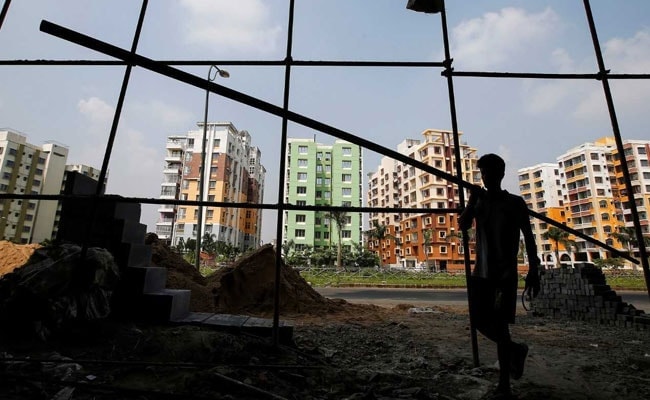
A three-week nationwide lockdown is testing the resilience of state governments, with analysts warning that essential public services and health care for millions of Indians will be in jeopardy without further central government and RBI support. States are slashing salaries, demanding an increase in borrowing limits and asking for fund transfers from Centre as their tax revenues dry up due to large scale travel restrictions to contain the spread of the flu-like respiratory disease.
The Reserve Bank of India (RBI) has already raised short-term borrowing limits to help tide over the funding crunch, but more outright support from the central bank is going to be critical, analysts said.
"States revenues are unlikely to be adequate in the current circumstances so this is where the RBI will have to step in much more aggressively," said Upasna Bhardwaj, senior economist at Kotak Mahindra Bank.
"And not just through open market purchases of government securities but possibly state development loans as well," she added, citing a need for some amount of direct monetisation of the central government's deficit too.
The finances of states have historically been in disarray barring a few well-managed ones, but the lockdown of people and goods across Asia's third-largest economy has hit tax revenues from fuel to stamp duties.
The RBI did not comment on the story.
Former RBI Governor Raghuram Rajan in a blogpost on Saturday called the current crisis, India's greatest emergency since Independence.
India has so far identified 4,421 coronavirus cases, of which 114 have died.
"The state and centre have to come together to figure out quickly some combination of public and NGO provision, private participation and direct benefit transfers that will allow needy households to see through the next few months," Rajan wrote, as the lockdown has taken away the livelihoods of millions.
In a recent video-conference meeting between state leaders and the prime minister, some opposition party leaders proposed the government immediately release to the states compensation dues for the goods and services tax (GST).
Many also demanded an increase in borrowing limits set by the central government under the Fiscal Responsibility and Budget Management (FRBM) Act that caps total borrowing of a state at 3 per cent of its GDP.
"With fiscal support being crucial at this juncture, states might receive a breather through a temporary relaxation in the FRBM deficit and debt thresholds," said DBS economist Radhika Rao.
Kotak Mahindra Bank estimates that of the 18 large state government deficits which had projected a gross fiscal deficit of 2.5 per cent before the outbreak, they could now potentially see deficits rising to 3.5-4 per cent.

-
Ten Things I Learnt This Samvat

Patience can be a trap. Cheap stocks can stay cheap. Leverage can wipe you out. What did Samvat 2082 teach us? Niraj Shah writes on 10 lessons from the year gone by.
-
Talking Points This Week: Tech Nerves, FII Buying, And A Faraway Banking Shock
The global markets are not shining this Diwali. The exception in the large markets is, India.
-
Midterm Rally Lasted A Day. The Hard Reality Of A Divided US May Last Two Years | Opinion
Between a contested AI boom, a debt ceiling that arrives in 2027 and a president with every incentive to act alone, the next two years may prove more volatile than the first day's rally suggests.
-
Blue Wave Will Derail the AI Trade but Won't Dismantle the AI Era | Unhedged Position
The Democrats' sweep of the US Congress will see politics collide with economic forces both over the long and short term.
-
It's Time To Take The GST Council's Bet On Trust Global
Payment records can prove India's services exports, and clear, proportionate rules can bring foreign digital sellers into the tax net.
-
Opinion | India at 38: From Innovation Overperformer to Innovation Powerhouse
India now has 453 VC-backed deep science startups, 18 of them late-stage, after 117 percent growth since 2020. Laurus Labs, at USD 9.3 billion, is the most valuable deep science company in any middle-income economy outside China.
-
Navigating Energy Crossroads: S Jaishankar's Call For Diversified Supply Chains At G20 Ministerial Meeting
As geopolitical fault lines continue to test maritime trade routes and commodity flows, Jaishankar's message remains pertinent: true economic resilience requires open markets, protected transit lines, and a genuine commitment to multilateral cooperation rather than coercion.
-
Indians Are Travelling, But Not Every Journey Is A Holiday | The Week In Whys
Pilgrims, patients and working women are the real travellers, and the system hasn't quite caught up with them.
-
Getting To Work Costs Women More | The Reason Why
It is not just about women paying more than men. It is about women paying much more in cities than in villages.









