Commercial Paper To Help InvITs Get Short-Term Capital, Optimise Costs: IndiGrid's Harsh Shah
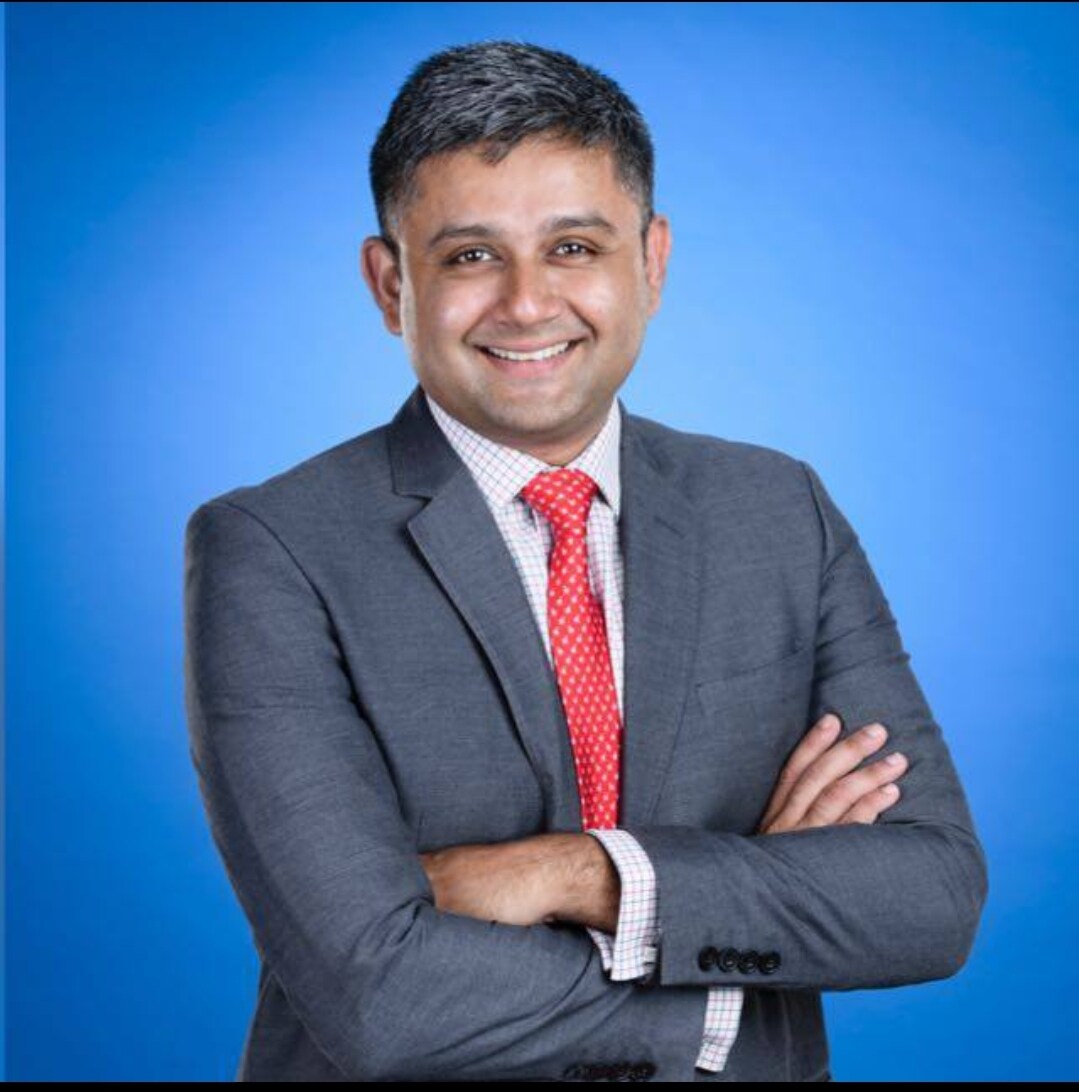
The market regulator's nod allowing infrastructure and real estate investment trusts to issue commercial paper is expected to help such investment vehicles access short-term capital and optimise costs, according to the top executive at India's first power InvIT.
"We have already raised one CP to test the market since InvITs and REITs are relatively different, and it helps to test it in real conditions as there are various factors related to compliance,” Harsh Shah, chief executive officer at India Grid Trust, told BQ Prime.
The Securities Exchange Board of India's Sept. 28 regulations relating to preferential and institutional placements are equally good measures, and the company is analysing them, Shah said. “We believe these measures will make raising capital very efficient.”
IndiGrid has enough capital right now and is around 58% leveraged, which gives sufficient headroom to grow, Shah said, when queried about his plans to exercise any of these options.
“We have done preferential placements in the past when KKR and GIC entered in the company. We have also done a rights issue last year," he said. "The choice between rights and preference issue depends on the time at hand and requirement."
IndiGrid To Add Two Transmission Projects This Year
IndiGrid plans to add two transmission projects for around Rs 1,700 crore to the portfolio and is in process of completing diligence and documentation, he said. First is the Raichur-Sholapur project, a joint venture between Simplex Infrastructure Ltd., Patel Engineering Ltd., and BS Transcom Ltd. An agreement has already been signed and it will be acquired after the customary approvals, Shah said.
The second project is Khargone Transmission Ltd., a subsidiary of Sterlite Power. The due diligence process is on and will be acquired as part of the framework agreement once the approvals are in place, Shah said.
The company, which was actively pursuing solar projects for InvITs, said the activity is little slow there because of aggressive pricing and valuations. “We are exploring different discussions, but we are looking for more realistic valuations that makes sense.”
Remove Reverse Auctions
The government needs to remove the reverse auction—aimed at getting the lowest possible bid—for transmission and solar projects, Shah said. The auctions may look good on paper, but these are projects, not commodities, with longer gestation period and should not be bought by reversing price on computer screens alone, Shah said. "At the end, we want expedited capacity addition, which can happen by healthier ecosystem without reverse auction being the only method.”
Outlook
The company's outlook on transmission remains positive. “We are confident about where we are heading, and there will be decent returns and opportunities for everyone.” Shah said.
The intensity of competition remains a problem in the sector, he said. It is important to introduce single-stage bidding in transmission as it was done for wind, to ensure creation of sufficient capacity and healthy growth, he said.
Still, according to Shah, the transmission sector will not be affected like solar and wind—termination and unviability due to aggressive bids—because the contracts are much stronger, and people are more careful.

-
Love, Sex Aur Dhokha: The Audacious Plot To Spy On Jensen Huang

A Taipei dinner, a Singapore chip buyer and a suspected Chinese asset: inside the alleged spy operation that got close to NVIDIA's Jensen Huang.
-
Ten Things I Learnt This Samvat
Patience can be a trap. Cheap stocks can stay cheap. Leverage can wipe you out. What did Samvat 2082 teach us? Niraj Shah writes on 10 lessons from the year gone by.
-
Talking Points This Week: Tech Nerves, FII Buying, And A Faraway Banking Shock
The global markets are not shining this Diwali. The exception in the large markets is, India.
-
Midterm Rally Lasted A Day. The Hard Reality Of A Divided US May Last Two Years | Opinion
Between a contested AI boom, a debt ceiling that arrives in 2027 and a president with every incentive to act alone, the next two years may prove more volatile than the first day's rally suggests.
-
Blue Wave Will Derail the AI Trade but Won't Dismantle the AI Era | Unhedged Position
The Democrats' sweep of the US Congress will see politics collide with economic forces both over the long and short term.
-
It's Time To Take The GST Council's Bet On Trust Global
Payment records can prove India's services exports, and clear, proportionate rules can bring foreign digital sellers into the tax net.
-
Opinion | India at 38: From Innovation Overperformer to Innovation Powerhouse
India now has 453 VC-backed deep science startups, 18 of them late-stage, after 117 percent growth since 2020. Laurus Labs, at USD 9.3 billion, is the most valuable deep science company in any middle-income economy outside China.
-
Navigating Energy Crossroads: S Jaishankar's Call For Diversified Supply Chains At G20 Ministerial Meeting
As geopolitical fault lines continue to test maritime trade routes and commodity flows, Jaishankar's message remains pertinent: true economic resilience requires open markets, protected transit lines, and a genuine commitment to multilateral cooperation rather than coercion.
-
Indians Are Travelling, But Not Every Journey Is A Holiday | The Week In Whys
Pilgrims, patients and working women are the real travellers, and the system hasn't quite caught up with them.









