Commerce Ministry Studying Impact Of U.S. Decision To Raise Tariff
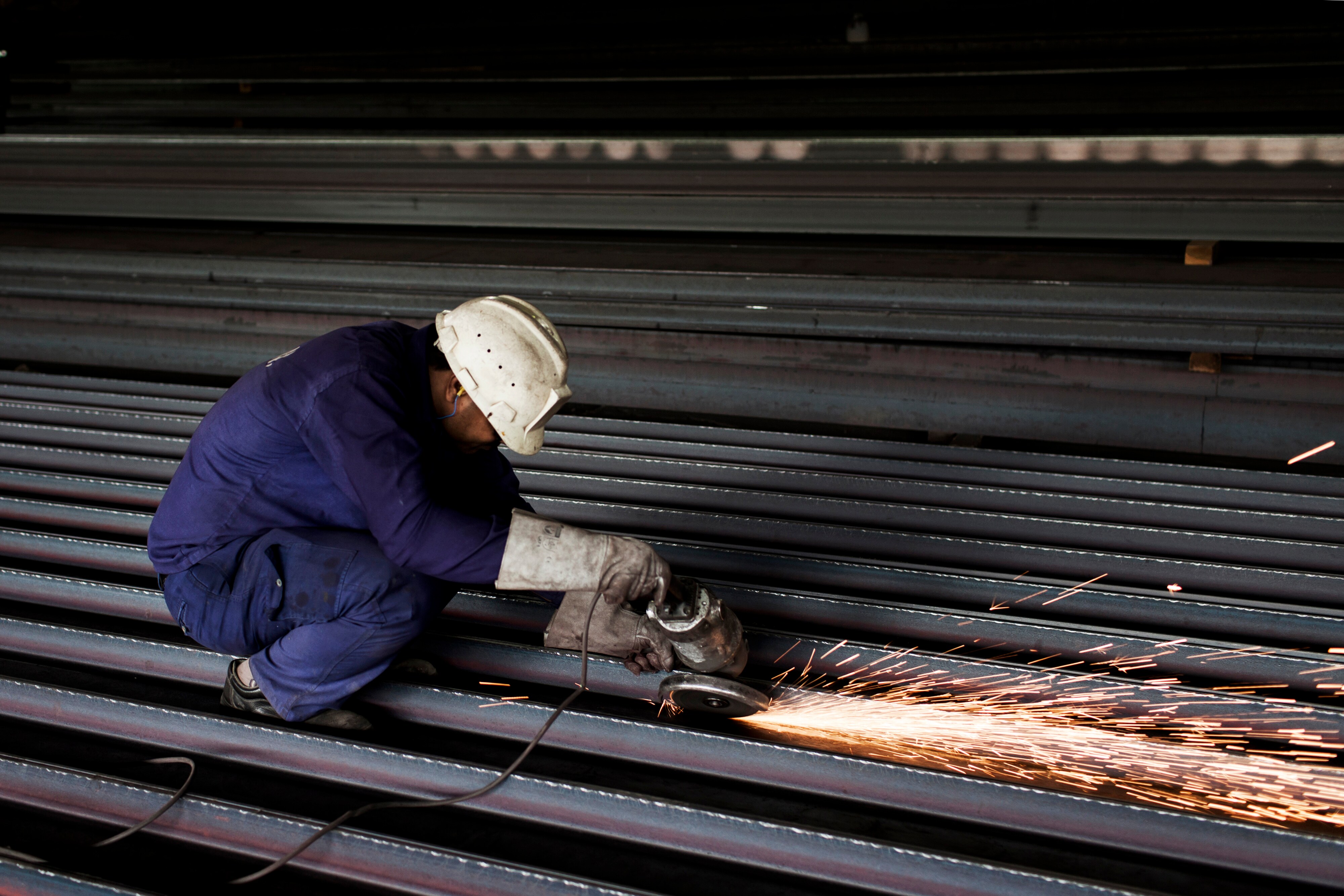
The Commerce Ministry is studying the impact of duty hike by the United States on certain steel and aluminium products as India exports these goods worth about $2 billion per annum to America.
U.S. President Donald Trump has imposed heavy tariffs on imported steel and aluminium, sparking fears of a global trade war.
Trump signed two proclamations that levied a 25 percent tariff on steel and a 10 percent tariff on aluminium imported from all countries except Canada and Mexico. The contentious tariffs will go into effect in 15 days.
“India is keeping a close watch on the development. It is studying the impact of duty hike India's exports to America,” an official said.
With hike in tariffs by the U.S. government, exports of these products to the American market will become expensive and could impact the competitiveness of domestic items.
Also Read: Trump Signs Tariff Order on Metals With Wiggle Room for Allies
As per estimates, India exports steel and aluminium goods worth $2 billion to the U.S. every year.
The official further said that if any country drags the U.S. in the World Trade Organisation's (WTO) dispute settlement panel against this decision, India could also consider joining as an observer or third party in the case.
Under the WTO norms, member countries can file a petition in the multi-lateral trade body if a decision of its trading partner does not comply with international trade rules.
As many as 17 countries, including India, had earlier expressed concern over the U.S. plans to raise tariffs during the General Council Meeting of the WTO at Geneva in Switzerland.
Also Read: Steel Has Worst Week in a Year as Trump's Tariffs Deepen Gloom
Speaking to reporters on Friday, Commerce Secretary Rita Teaotia had said there was a global ‘disquiet' over the decision of the Trump administration to raise duties on steel and aluminium beyond the bound rate.

-
Ten Things I Learnt This Samvat

Patience can be a trap. Cheap stocks can stay cheap. Leverage can wipe you out. What did Samvat 2082 teach us? Niraj Shah writes on 10 lessons from the year gone by.
-
Talking Points This Week: Tech Nerves, FII Buying, And A Faraway Banking Shock
The global markets are not shining this Diwali. The exception in the large markets is, India.
-
Midterm Rally Lasted A Day. The Hard Reality Of A Divided US May Last Two Years | Opinion
Between a contested AI boom, a debt ceiling that arrives in 2027 and a president with every incentive to act alone, the next two years may prove more volatile than the first day's rally suggests.
-
Blue Wave Will Derail the AI Trade but Won't Dismantle the AI Era | Unhedged Position
The Democrats' sweep of the US Congress will see politics collide with economic forces both over the long and short term.
-
It's Time To Take The GST Council's Bet On Trust Global
Payment records can prove India's services exports, and clear, proportionate rules can bring foreign digital sellers into the tax net.
-
Opinion | India at 38: From Innovation Overperformer to Innovation Powerhouse
India now has 453 VC-backed deep science startups, 18 of them late-stage, after 117 percent growth since 2020. Laurus Labs, at USD 9.3 billion, is the most valuable deep science company in any middle-income economy outside China.
-
Navigating Energy Crossroads: S Jaishankar's Call For Diversified Supply Chains At G20 Ministerial Meeting
As geopolitical fault lines continue to test maritime trade routes and commodity flows, Jaishankar's message remains pertinent: true economic resilience requires open markets, protected transit lines, and a genuine commitment to multilateral cooperation rather than coercion.
-
Indians Are Travelling, But Not Every Journey Is A Holiday | The Week In Whys
Pilgrims, patients and working women are the real travellers, and the system hasn't quite caught up with them.
-
Getting To Work Costs Women More | The Reason Why
It is not just about women paying more than men. It is about women paying much more in cities than in villages.









