City Gas Distribution Auctions: Adani Gas Wins Most Bids
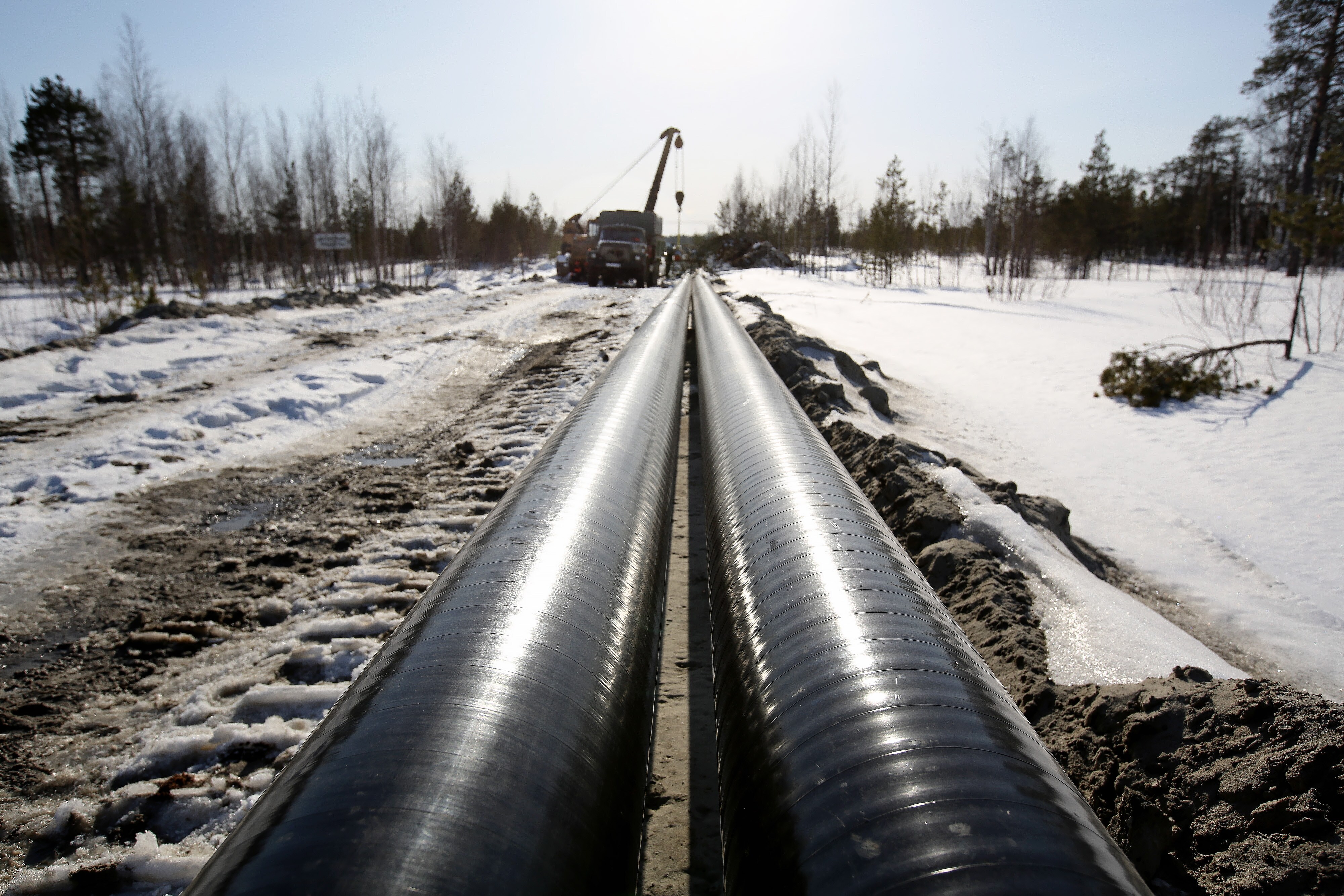
Billionaire Gautam Adani-led Adani Gas Ltd. emerged winner in the latest round of city gas distribution network auctions, winning licenses to set up piped gas networks to households in six cities on its own and in five others through joint ventures.
Oil marketer Indian Oil Corporation Ltd. won 8 licenses, followed by six each for Bharat Gas Ltd. and Torrent Gas Pvt. Ltd. GAIL Gas Ltd. won five licences.
The Petroleum and Natural Gas Regulatory Board today issued the letters of intent to 18 bidders that participated in the ninth round of the auctions—which was India's largest—early this year.
A statement issued by the board said that the outcome of the bidding for 48 out of 86 geographical areas have been announced, while those for the remainder are under evaluation.
India, home to cities with the world's most toxic air, kick-started its largest auction in March to distribute natural gas in more urban areas as it looks to cut emissions by switching to cleaner auto and kitchen fuels.
The country ranks alongside China in having the world's deadliest air pollution, according to a study by Boston-based Health Effects Institute. Toxic fumes, largely emitted by coal-fired power plants and automobiles, caused 1.1 million deaths each in both the neighbouring nations in 2015. Prime Minister Narendra Modi's government is looking to fast-track expansion of city gas distribution grid to increase the share of natural gas in the kitchen and auto fuels mix from 6 percent to 20 percent by 2030. That would help reduce emissions as part of the global pledge to keep the average increase in temperature below 2-degree celsius.
The Petroleum and Natural Gas Regulatory Board had revised bidding norms for licences to retail CNG and piped cooking gas in cities. The new norms focused on parameters such as selecting winners on the basis of the number of connection to consumers and CNG stations, and the length of gas pipelines the bidders promise to achieve in a given time frame.

-
A New Samvat Wishlist: Inclusive Prosperity And Human Development

India has strengthened its economic foundations through infrastructure, digital access and enterprise. Its next growth chapter must deepen productivity, create better livelihoods and widen participation in prosperity.
-
Love, Sex Aur Dhokha: The Audacious Plot To Spy On Jensen Huang
A Taipei dinner, a Singapore chip buyer and a suspected Chinese asset: inside the alleged spy operation that got close to NVIDIA's Jensen Huang.
-
Ten Things I Learnt This Samvat
Patience can be a trap. Cheap stocks can stay cheap. Leverage can wipe you out. What did Samvat 2082 teach us? Niraj Shah writes on 10 lessons from the year gone by.
-
Talking Points This Week: Tech Nerves, FII Buying, And A Faraway Banking Shock
The global markets are not shining this Diwali. The exception in the large markets is, India.
-
Midterm Rally Lasted A Day. The Hard Reality Of A Divided US May Last Two Years | Opinion
Between a contested AI boom, a debt ceiling that arrives in 2027 and a president with every incentive to act alone, the next two years may prove more volatile than the first day's rally suggests.
-
Blue Wave Will Derail the AI Trade but Won't Dismantle the AI Era | Unhedged Position
The Democrats' sweep of the US Congress will see politics collide with economic forces both over the long and short term.
-
It's Time To Take The GST Council's Bet On Trust Global
Payment records can prove India's services exports, and clear, proportionate rules can bring foreign digital sellers into the tax net.
-
Opinion | India at 38: From Innovation Overperformer to Innovation Powerhouse
India now has 453 VC-backed deep science startups, 18 of them late-stage, after 117 percent growth since 2020. Laurus Labs, at USD 9.3 billion, is the most valuable deep science company in any middle-income economy outside China.
-
Navigating Energy Crossroads: S Jaishankar's Call For Diversified Supply Chains At G20 Ministerial Meeting
As geopolitical fault lines continue to test maritime trade routes and commodity flows, Jaishankar's message remains pertinent: true economic resilience requires open markets, protected transit lines, and a genuine commitment to multilateral cooperation rather than coercion.









