Citigroup Profit Triples On Reserve Release
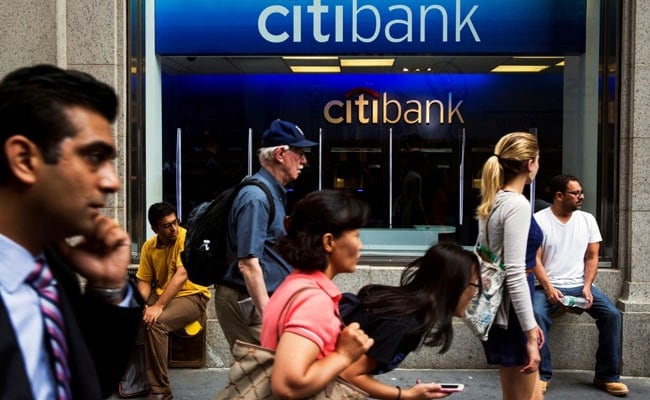
Citigroup Inc trounced market estimates for first-quarter profit on Thursday as the third-largest U.S. lender released reserves set aside for loan losses from the pandemic, while disclosing plans to exit some overseas consumer units. The divestment comes as Jane Fraser, who took charge as chief executive officer on March 1, tries to turn Citigroup from a banking industry laggard hobbled by poor risk and control systems into a competitively profitable organization. The move in markets across the Asia and EMEA regions will see the bank exit consumer businesses in countries like Australia, China and India. "While the...13 markets have excellent businesses, we don't have the scale we need to compete," Fraser said in a statement.
"We believe our capital, investment dollars and other resources are better deployed against higher returning opportunities in wealth management and our institutional businesses in Asia." The Institutional Clients Group will continue to offer services to clients and will continue to operate "wealth centers" in Singapore and Hong Kong, as well as London and the United Arab Emirates. The bank gave no time frame for the exits.
Like other large Wall Street banks, Citi benefited from a boom in capital markets activity in the quarter, but felt the impact of cash-flush consumers paying off loans and using debit cards more for purchases. "As elsewhere, trading and banking were a bit stronger than expected and net interest income a bit weaker but it was basically all pretty close to expectations," Oppenheimer analyst Chris Kotowski said in a note to clients.
Net interest revenue, the difference between interest the bank earns and what it pays on deposits and borrowings, was $10.17 billion, down 12 per cent from a year earlier. Total revenue fell seven per cent to $19.3 billion on low interest rates and a 10 per cent decline in loans, largely due to lower consumer credit card loan balances. Overall card purchase sales were up one per cent, even as total card revenue fell 18 per cent.
JPMorgan Chase & Co said on Wednesday spending on its consumer debit and credit cards together rose nine per cent from a year earlier. Partially offsetting the drag from interest revenue, investment banking revenue at Citigroup surged 46% on stronger equity underwriting fees. The bank has been a Wall Street leader in raising money for the so-called blank-check firms or special purpose acquisition companies. Citi shares were up nearly three per cent in trading before the bell.
Results Trump Expectations
Net income tripled to $7.94 billion, or $3.62 per share, from $2.54 billion, or $1.06 per share, a year earlier. Analysts on average had expected a profit of $2.60 per share, according to Refinitiv IBES data.
Citigroup's bottom line was bolstered by its decision to draw down $3.85 billion in reserves it had built up for expected loan losses from the pandemic. A year earlier it had added $4.88 billion to its loss reserves. Like other large lenders, the bank expects an economic recovery fueled in part by vaccine rollouts across the country and a $1.9 trillion stimulus package pushed through by the Biden administration last month.
A U.S. boom could generate a rebound of lending revenue for big banks as well as give them reason to reverse more of the $65 billion-plus of loss reserves they added last year when the outlook for the economy in the pandemic was at its bleakest.
Markets and securities revenue for Citigroup rose two per cent, compared with an exceptionally strong quarter a year earlier. Expenses rose four per cent, in line with the company's projections, on increased spending to fix its risk controls and improve its operations.
Data in Citigroup's report showed that its pre-provision profit, a gauge of bank performance unaffected by changes in estimates and economic assumptions for loss reserves, was down 18 per cent from a year ago. Earlier on Thursday, Bank of America Corp's profit more than doubled after it freed up reserves that it had set aside to cover loans that could go bust.

-
It's Time To Take The GST Council's Bet On Trust Global

Payment records can prove India's services exports, and clear, proportionate rules can bring foreign digital sellers into the tax net.
-
Opinion | India at 38: From Innovation Overperformer to Innovation Powerhouse
India now has 453 VC-backed deep science startups, 18 of them late-stage, after 117 percent growth since 2020. Laurus Labs, at USD 9.3 billion, is the most valuable deep science company in any middle-income economy outside China.
-
Navigating Energy Crossroads: S Jaishankar's Call For Diversified Supply Chains At G20 Ministerial Meeting
As geopolitical fault lines continue to test maritime trade routes and commodity flows, Jaishankar's message remains pertinent: true economic resilience requires open markets, protected transit lines, and a genuine commitment to multilateral cooperation rather than coercion.
-
Indians Are Travelling, But Not Every Journey Is A Holiday | The Week In Whys
Pilgrims, patients and working women are the real travellers, and the system hasn't quite caught up with them.
-
Getting To Work Costs Women More | The Reason Why
It is not just about women paying more than men. It is about women paying much more in cities than in villages.
-
AI Bias In Investing Cannot Be Eliminated, But It Can Be Governed
Framing is a particularly important example as identical financial information presented in terms of gains rather than losses can lead an LLM to reach a different assessment.
-
Joining The Dots | Dark Skies, Steady Diya: Why Hope Holds This Diwali
With war, a weak rupee and foreign outflows weighing on sentiment, policymakers at the NDTV World Summit and market veterans at NDTV Profit Ignite: Diwali Edition offered the same advice: stay invested and filter out the noise.
-
The Curious Case of Equitas Small Finance Bank And A CEO Who Quit For Stock
PN Vasudevan believes persistent investor concerns over a perceived conflict of interest had become a governance overhang on Equitas Small Finance Bank's stock, even as the lender improved profitability and asset quality.
-
Talking Points This Week: AI Cash Burn, A Tiger Comeback And An India That Still Finds Its Own Path
India is not immune to higher oil or tighter global liquidity, yet its earnings base is broader, its domestic policy levers are still available.










