Choose Right Privatisation Process For Air India, IATA Chief Says
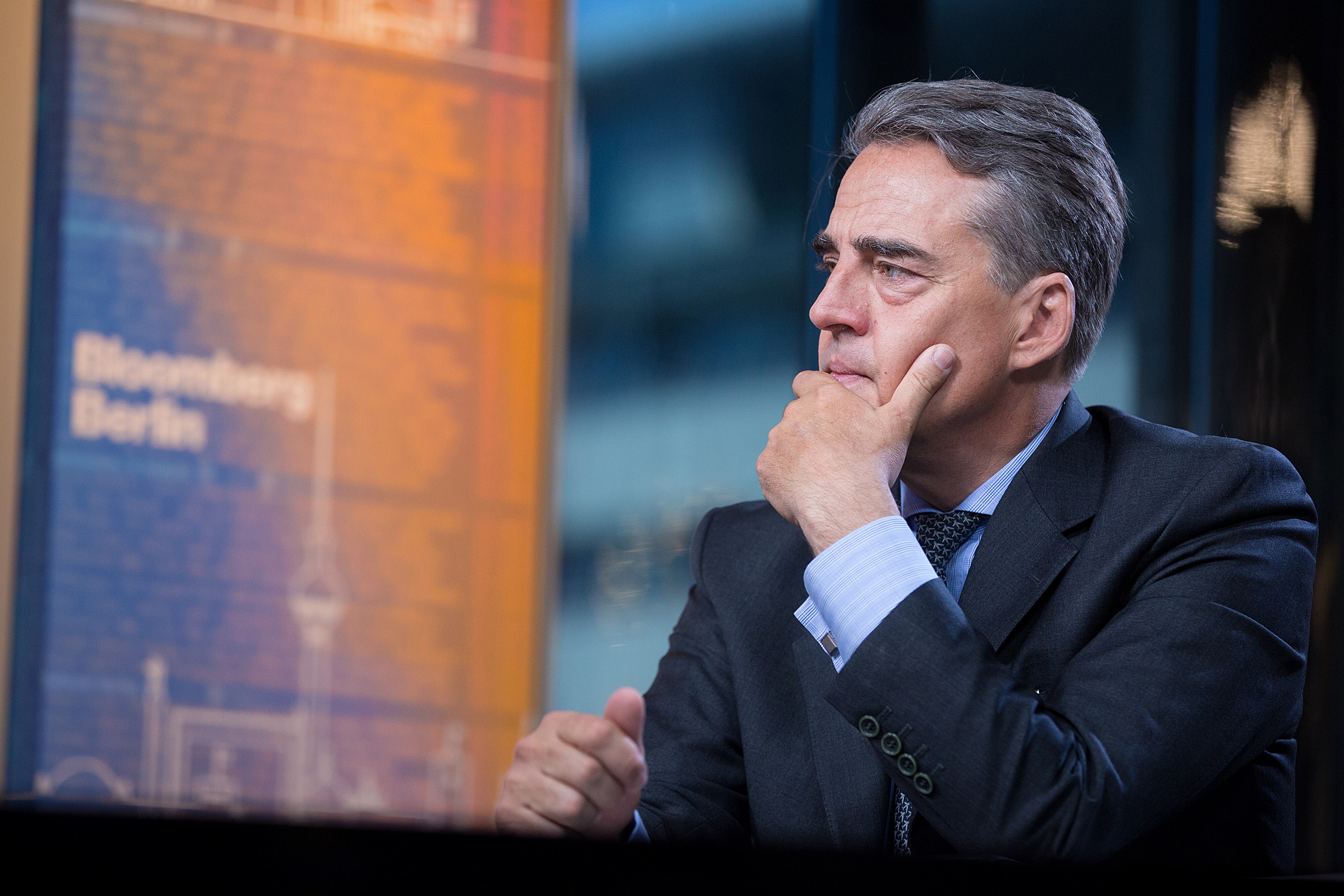
Right privatisation process should be chosen for Air India Ltd. to make it more competitive, International Air Transport Association chief Alexandre de Juniac said as he asserted that there is no need for the government to own stake in the carrier.
Supporting the decision to sell stake in the debt-laden airline, he said the government has to find “competitive conditions to give Air India the right weapons to compete against others.”
Air India is a member of the IATA, a grouping of more than 275 airlines worldwide.
“We support privatisation of Air India ... then the company has to be privatised in revised conditions to be able to compete effectively,” de Juniac told PTI in an interview.
The government is working out the modalities for strategic disinvestment to revive ailing Air India.
The flagship carrier's debt burden is more than Rs 50,000 crore.
While noting that there is strong competition in India, especially for long haul, the IATA Director General and chief executive office said Air India should have the right weapons to compete.
In the context of Air India, de Juniac said the “right process for privatisation” has to be chosen.
“There is no need for government to have any stake in its airline from my point of view,” he said in response to a query on whether there should be a partial or complete stake sale in Air India.
For financial and other reasons, the privatisation process could also be done in two steps, Juniac noted.
“It is possible. The final target should be complete privatisation even if the process is done in one or two steps,” he said.
On the issue of overseas entities holding stakes in domestic carriers, de Juniac said that the IATA does not have a particular position on foreign ownership.

-
Where You Live Shapes How You Get To Work | The Reason Why

Two-wheelers are the most popular way to get to work in India, accounting for nearly 43% of workplace commutes.
-
High US Salaries, No Green Card Certainty: The Financial Calculation Facing Indian H-1B Families
The suspension of PERM processing at eight technology employers does not cancel existing H-1B visas. What it does is force a question many Indian families have been avoiding: is the US salary worth tying your career and family plans to one employer?
-
Unhedged Position: Can India See An Indonesia-Style Time Correction?
The Nifty is trading below levels it first clocked in 2024. Is there, then, as I have suggested in the headline, potential that the current time correction drags on painfully for the next three-five, even ten years?
-
Navigating Friction And Energy Realities: An Analysis Of Marco Rubio's October Visit To India
Occurring at a critical juncture marked by stalled trade negotiations and escalating geopolitical pressures over global energy supplies, the visit offers a profound window into modern US-India relations.
-
India Exports Capital. Why Not Export Trusteeship?
The big question, then, is whether India can build an institution that global borrowers, investors, banks, and lawyers can trust, even without an Indian connection.
-
France's Economy & Politics Are In Crisis | The Reason Why
Let's look at how the French economy and politics evolved under Nicolas Sarkozy, Franois Hollande and Emmanuel Macron.
-
You May Inherit The Business. You Must Earn Its Credibility.
Succession tests the founder's ability to share authority as much as it tests the next generation's readiness to assume it.
-
Signing Deals Is One Thing; Making Them Work Is Another | The Week In Whys
Sometimes, things don't turn out as planned. Indian companies have lost some bids to rivals, some projects won't produce until 2030.
-
FOMC Wall, PERM Suspension, Hospital Stocks | Talking Points This Week
A PERM suspension would directly affect green-card sponsorship rather than H-1B visas, so the near-term earnings impact could remain relatively limited. The key question is whether this marks a new phase in US scrutiny of Indian IT.
-
Everything, Everywhere, All At Once: Dalal Street's Week To Forget | Joining The Dots
Visa curbs, a Starlink spat and cancer drug caps: what connects this week's shocks for Indian markets









