China's Fosun Joins Race To Buy Cash-Strapped Fortis Healthcare
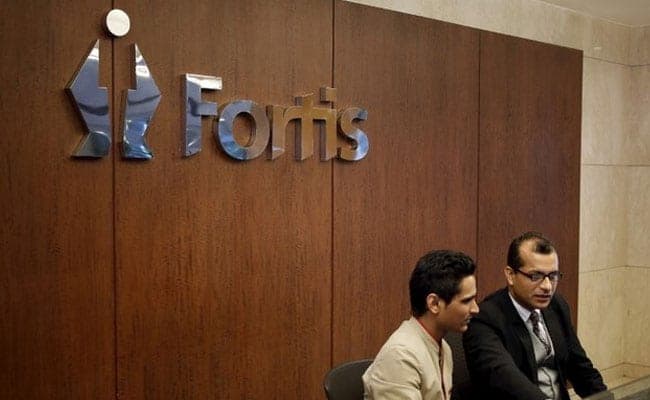
India's cash-strapped Fortis Healthcare Ltd said Fosun International Ltd has offered to invest up to $350 million, making the Chinese conglomerate the fourth suitor aiming to benefit from a government push for better healthcare.
The unsolicited non-binding offer follows one other offer of investment from local businesses and separate takeover bids from unlisted Manipal Health Enterprises Ltd and Malaysia's IHH Healthcare Bhd.
Interest in Fortis comes as the government works to provide health insurance for about half of India's 1.3 billion population, which analysts expect will encourage more people to use healthcare services.
Fortis runs about 30 hospitals, having grown rapidly with demand created by an over-stretched public healthcare system. But it has lately struggled with insufficient cash and increased debt, while regulators investigate allegations that its founders took funds without board approval. The founders deny wrongdoing.
Also read: Fortis Healthcare Declines Malaysia's IHH Takeover Offer
In a regulatory filing late on Tuesday, Fortis said it had received a letter from Fosun in which the Chinese conglomerate offered up to 156 rupees per Fortis share in return for less than a quarter of the firm.
Fosun is one of China's most acquisitive companies. Last month it said it aimed to increase investment in India, and last year announced it would buy three-quarters of India's Gland Pharma. The conglomerate did not immediately respond to a Reuters request for comment.
Also read: Manipal Hospitals Enterprises-Fortis Deal: 10 Facts To Know
"We are aware of the company's near-term cash requirements, strategic plans for consolidation of its real estate assets, and various alternative proposals put forth to the board's consideration," Fosun said in the letter.
The letter showed Fosun also offered a cash infusion of 1 billion rupees ($15.21 million) within the next 45 days, including the option of immediately subscribing to Fortis' convertible bonds, provided Fortis grants 30 days of exclusivity to negotiate the investment proposal.
Fosun said its overall investment proposal will best meet Fortis' immediate short- and long-term needs, and that the Chinese firm did not expect to make significant changes to Fortis' senior management, according to the letter.
Fortis troubles
Last month, Fortis reported a net loss for the half-year through December following the closure of one hospital, and said debt stood at 13.39 billion rupees.
The firm has lost over a third of its market value since its shares peaked in May, after authorities began investigating founder brothers Malvinder and Shivinder Singh for alleged unauthorised use of funds.
The pair resigned from Fortis' board last month following unrelated legal troubles involving the sale of their stake in drugmaker Ranbaxy to Japan's Daiichi Sankyo Co Ltd.
Fortis received its first takeover bid last month from Manipal, which has since sweetened its offer to $155 per share - valuing Fortis at about $1.2 billion - following opposition from minority shareholders. That was followed by a $1.3 billion bid from IHH, which IHH said Fortis declined to consider.
Fortis has also received a combined investment offer of 12.5 billion rupees from Hero Enterprise Investment and the Burman Family Office.
On Monday, Fortis said its board would meet on April 19 to "consider all options".
(Except for the headline, this story has not been edited by NDTV staff and is published from a syndicated feed.)

-
High US Salaries, No Green Card Certainty: The Financial Calculation Facing Indian H-1B Families

The suspension of PERM processing at eight technology employers does not cancel existing H-1B visas. What it does is force a question many Indian families have been avoiding: is the US salary worth tying your career and family plans to one employer?
-
Unhedged Position: Can India See An Indonesia-Style Time Correction?
The Nifty is trading below levels it first clocked in 2024. Is there, then, as I have suggested in the headline, potential that the current time correction drags on painfully for the next three-five, even ten years?
-
Navigating Friction And Energy Realities: An Analysis Of Marco Rubio's October Visit To India
Occurring at a critical juncture marked by stalled trade negotiations and escalating geopolitical pressures over global energy supplies, the visit offers a profound window into modern US-India relations.
-
India Exports Capital. Why Not Export Trusteeship?
The big question, then, is whether India can build an institution that global borrowers, investors, banks, and lawyers can trust, even without an Indian connection.
-
France's Economy & Politics Are In Crisis | The Reason Why
Let's look at how the French economy and politics evolved under Nicolas Sarkozy, Franois Hollande and Emmanuel Macron.
-
You May Inherit The Business. You Must Earn Its Credibility.
Succession tests the founder's ability to share authority as much as it tests the next generation's readiness to assume it.
-
Signing Deals Is One Thing; Making Them Work Is Another | The Week In Whys
Sometimes, things don't turn out as planned. Indian companies have lost some bids to rivals, some projects won't produce until 2030.
-
FOMC Wall, PERM Suspension, Hospital Stocks | Talking Points This Week
A PERM suspension would directly affect green-card sponsorship rather than H-1B visas, so the near-term earnings impact could remain relatively limited. The key question is whether this marks a new phase in US scrutiny of Indian IT.
-
Everything, Everywhere, All At Once: Dalal Street's Week To Forget | Joining The Dots
Visa curbs, a Starlink spat and cancer drug caps: what connects this week's shocks for Indian markets
-
India Is Going Abroad For Critical Minerals. But It May Take Years To Pay Off | The Reason Why
Although India's steps are in the right direction, they remain modest compared with India's growing dependence.









