China Scoops Up Cheap Indian Iron Ore in Bid to Trim Steel Costs
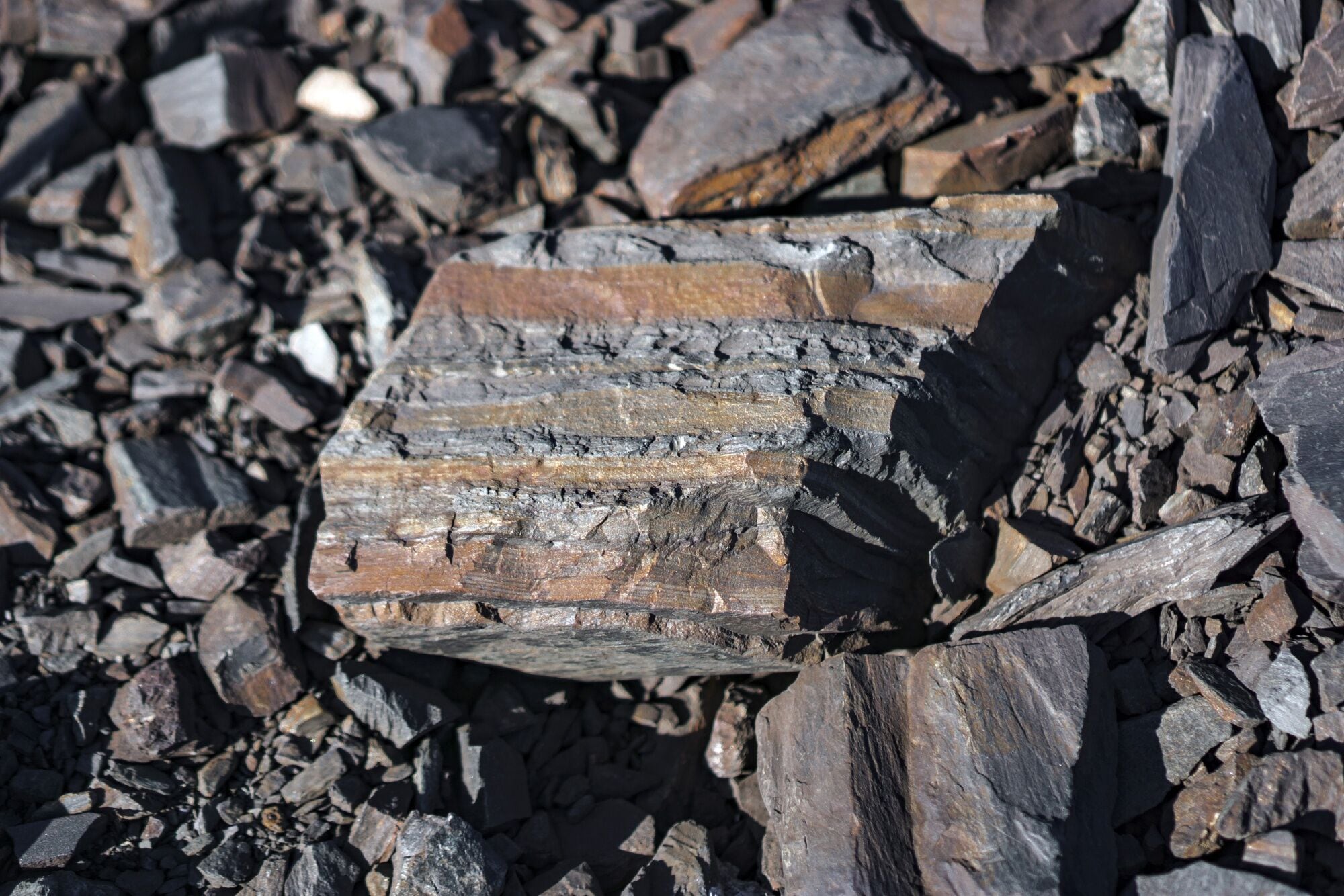
(Bloomberg) -- Indian iron ore exports have surged this year as steel mills, mainly in the biggest buyer China, switched to lower-grade, cheaper feed in the face of dwindling profits.
Combined outbound shipments of iron ore and pellets from the South Asian nation more than doubled in the first eight months of 2023 to almost 28 million tons from a year earlier, according to researcher and rating agency ICRA Ltd., far surpassing the total exports of 2021 and 2022. India will continue to sell about 3 million tons a month to global markets for rest of the year, CRU Group said.
“Chinese mills prefer cheaper Indian iron ore to reduce their input costs when steel margins are low,” said Lalit Ladkat, an analyst at CRU. Indian ore is currently being offered at around $70 a ton, free-on-board, he said.
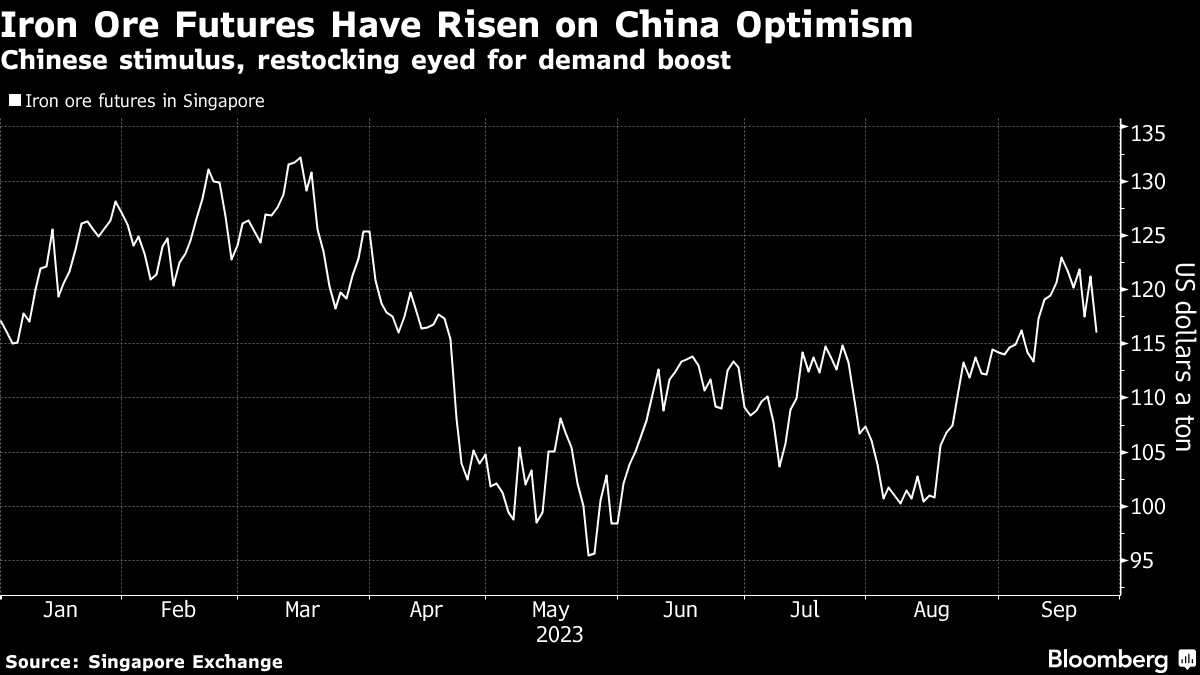
The steelmaking ingredient is currently trading near $115 a ton on the Singapore exchange, the global benchmark.
The increased inflows from India will help shave some costs for Chinese mills that are maintaining production despite the country's economic slowdown. The steel industry has been hit hard, with profits at ferrous metals producers dropping 91% over the first seven months of the year. Iron ore prices have risen 20% in the past year.
These purchases are “opportunistic buying” by Chinese mills which generally lean toward purchases of lower-grade ore during periods of subdued mill margins, according to ICRA's Vice President for Corporate Ratings Priyesh Ruparelia. Greater availability of railway rakes to move the ore to ports also aided shipments, he said.
Exports are also being bolstered by the Indian government removing a hefty export tax it had imposed last year to curb a rise in local steel prices. Foreign sales bounced back rapidly thereafter, with tonnages in 2023 already exceeding last year's volumes by over 40%, according to ICRA.
On the production side, this year's lackluster monsoon season, which is typically a lean period for iron ore extraction in India, led to increased output, resulting in a surplus in the local market and boosting exports, according to Ladkat. India's iron ore production is forecast to grow as much as 10% this financial year ending March to 275 million tons, outpacing a rise in local demand, he said.
More stories like this are available on bloomberg.com
©2023 Bloomberg L.P.

-
Talking Points This Week: Tech Nerves, FII Buying, And A Faraway Banking Shock

The global markets are not shining this Diwali. The exception in the large markets is, India.
-
Midterm Rally Lasted A Day. The Hard Reality Of A Divided US May Last Two Years | Opinion
Between a contested AI boom, a debt ceiling that arrives in 2027 and a president with every incentive to act alone, the next two years may prove more volatile than the first day's rally suggests.
-
Blue Wave Will Derail the AI Trade but Won't Dismantle the AI Era | Unhedged Position
The Democrats' sweep of the US Congress will see politics collide with economic forces both over the long and short term.
-
It's Time To Take The GST Council's Bet On Trust Global
Payment records can prove India's services exports, and clear, proportionate rules can bring foreign digital sellers into the tax net.
-
Opinion | India at 38: From Innovation Overperformer to Innovation Powerhouse
India now has 453 VC-backed deep science startups, 18 of them late-stage, after 117 percent growth since 2020. Laurus Labs, at USD 9.3 billion, is the most valuable deep science company in any middle-income economy outside China.
-
Navigating Energy Crossroads: S Jaishankar's Call For Diversified Supply Chains At G20 Ministerial Meeting
As geopolitical fault lines continue to test maritime trade routes and commodity flows, Jaishankar's message remains pertinent: true economic resilience requires open markets, protected transit lines, and a genuine commitment to multilateral cooperation rather than coercion.
-
Indians Are Travelling, But Not Every Journey Is A Holiday | The Week In Whys
Pilgrims, patients and working women are the real travellers, and the system hasn't quite caught up with them.
-
Getting To Work Costs Women More | The Reason Why
It is not just about women paying more than men. It is about women paying much more in cities than in villages.
-
AI Bias In Investing Cannot Be Eliminated, But It Can Be Governed
Framing is a particularly important example as identical financial information presented in terms of gains rather than losses can lead an LLM to reach a different assessment.









