China’s BYD Plans Push Into India’s Burgeoning EV Market
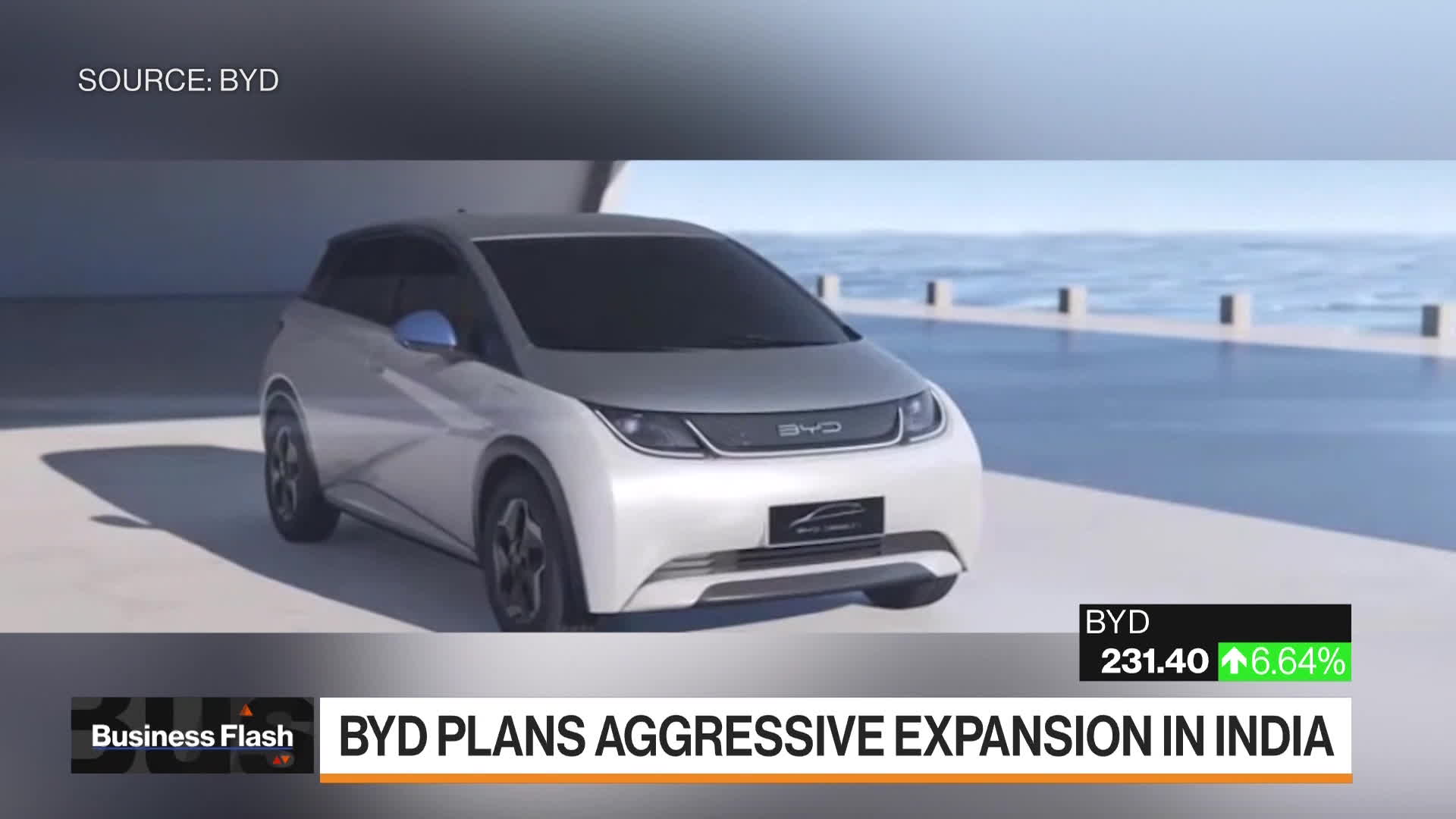
(Bloomberg) -- Chinese carmaker BYD Co. is planning a bold push into India's electric car market, joining a rush of foreign carmakers jockeying for a bigger share of the world's fourth-biggest auto market.
The Warren Buffett-backed BYD is seeking to capture 40% of India's EV market by 2030, Sanjay Gopalakrishnan, senior vice president of its local unit, said in an interview at India Auto Expo 2023 on the outskirts of New Delhi.
“Being a global manufacturer, we have to keep aggressive goals,” Gopalakrishnan said. India is a good bet because “people are realizing the need for EVs and the charging infrastructure is picking up.”
India's switch to electric vehicles is lagging behind other countries such as China and the US, hampered by high upfront costs and a lack of charging infrastructure. Still, that hasn't deterred foreign automakers showcasing EVs at this week's auto show as they vie for a slice of the potentially lucrative market.
MG Motor India, a unit of China's SAIC Motor Corp. on Wednesday said it plans to launch three electric models by the end of next year, while South Korea's Kia Corp. said it plans to invest 20 billion rupees ($245 million) in India over the next four to five years to develop electric vehicles and launch its first domestically made EV in 2025.
Read more: Foreign Carmakers Muscle In on India's EV Market at Top Car Show
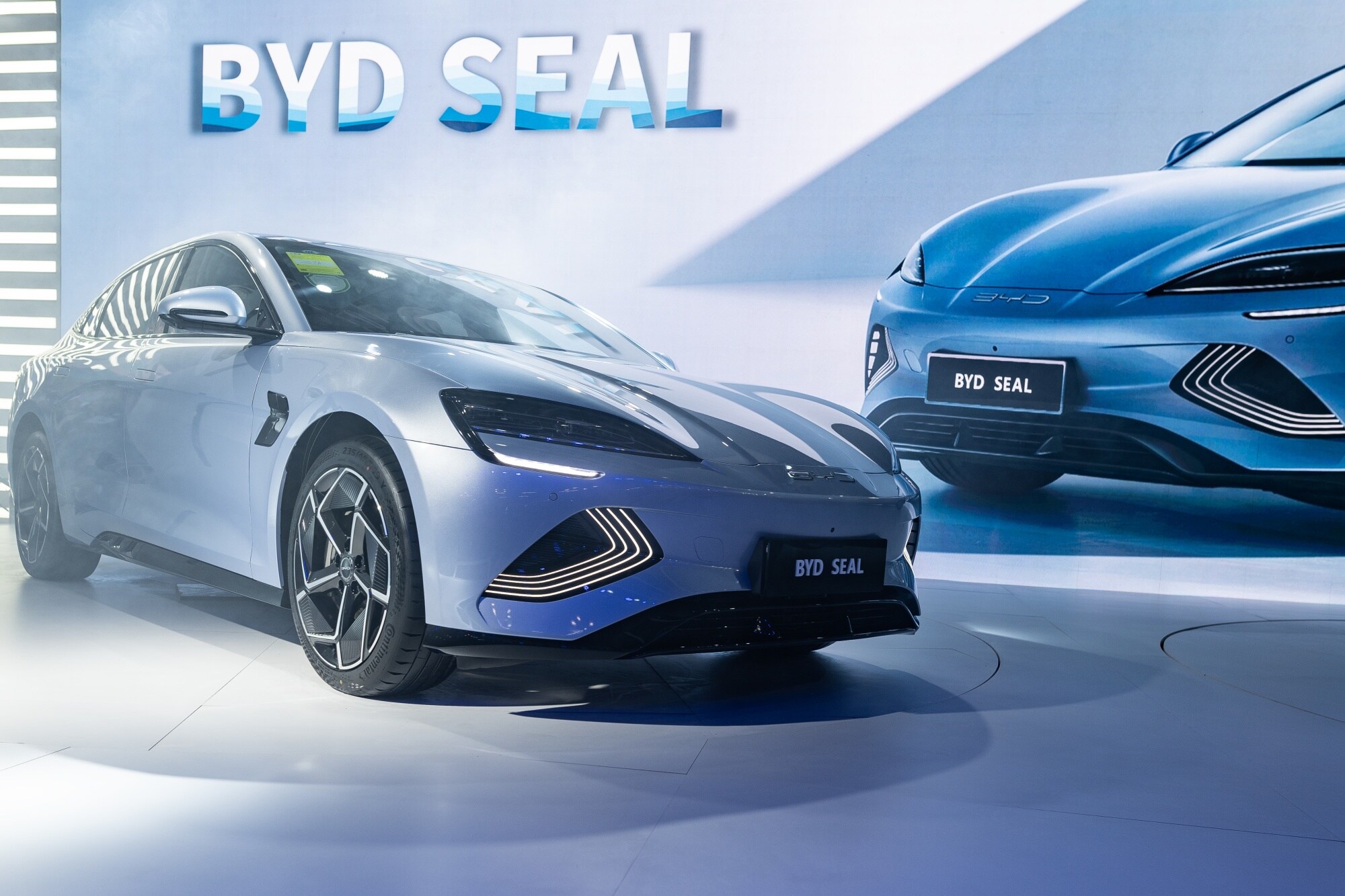
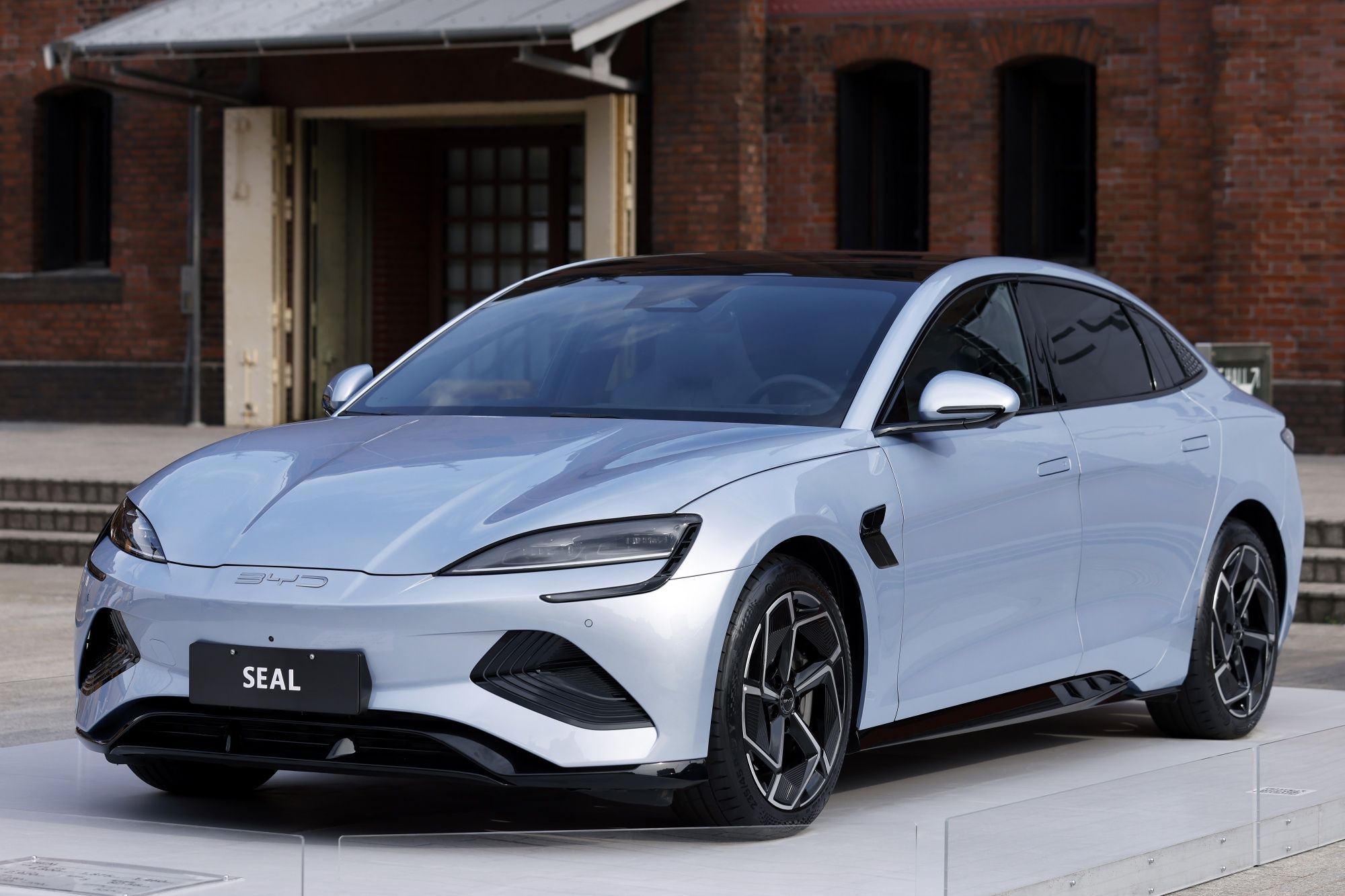
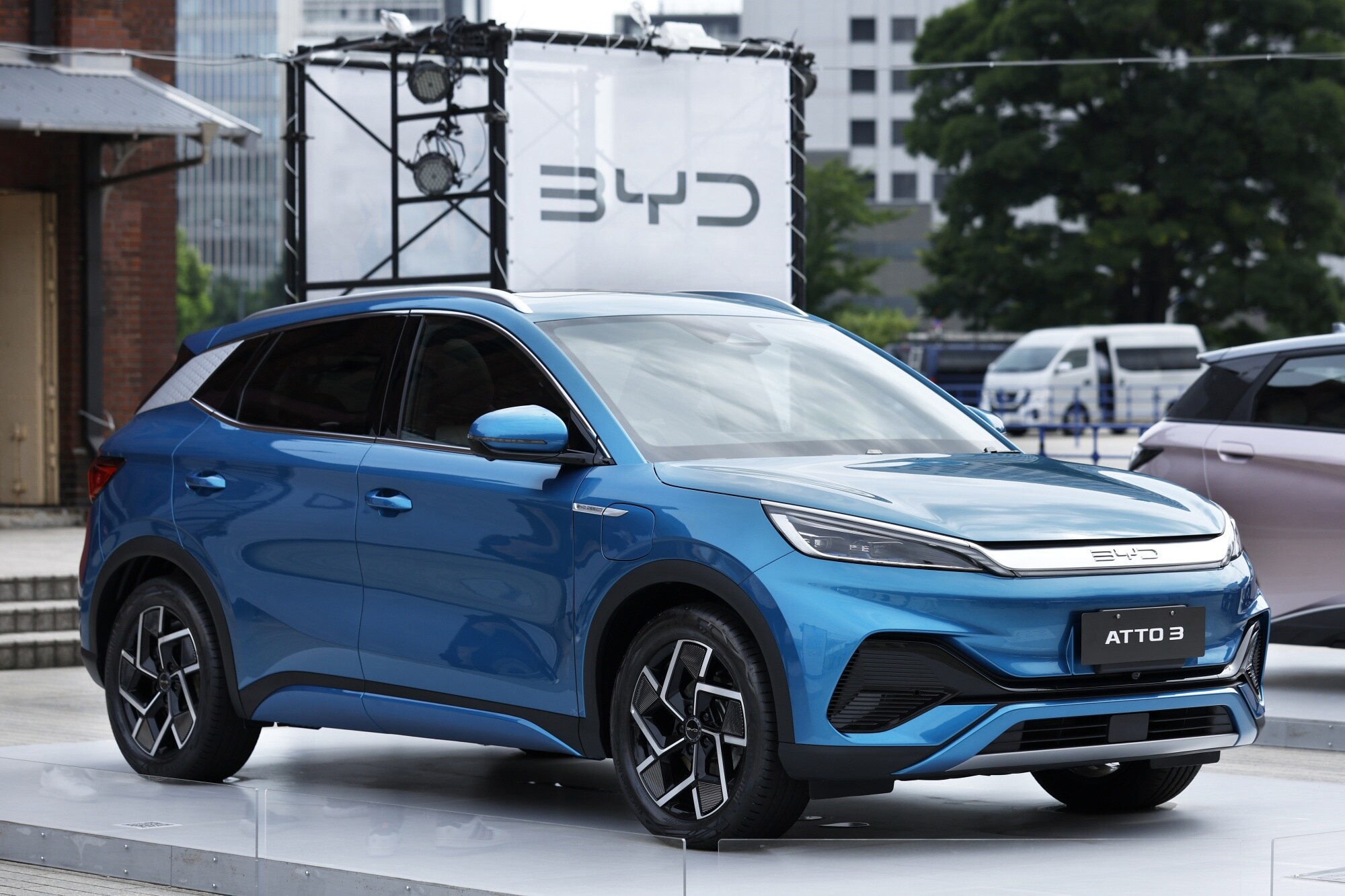
BYD, which entered India in 2007, will launch its third electric model, the Seal luxury sedan, by the last quarter of 2023, Gopalakrishnan said. It introduced its first EV, the Atto 3 SUV, last year. It's planning to sell 15,000 electric vehicles this year.
BYD shares surged in Hong Kong trading Thursday, climbing as much as 9.1% and extending this year's rally to 21%.
The company's expansion comes at a time when India is increasing scrutiny of Chinese firms. Great Wall Motor Co., which planned to invest $1 billion in India, failed in an attempt to buy a mothballed General Motors Co. plant after it didn't get government approval to close the deal. The government is also probing MG Motor India, a unit of Chinese carmaker SAIC Motor Corp., over alleged financial irregularities.
BYD will position itself as a “global” technology powerhouse to overcome the barriers of operating as a Chinese company in India and bring “confidence to customers,” Gopalakrishnan said.
While India is a value-conscious market, BYD will prioritize introducing higher priced cars to showcase its “premium” technology, and then slowly work toward mass-market vehicles, he said. Gopalakrishnan said consumers are no longer so price-sensitive, with 41% of the 3.8 million cars sold in India last year costing more than 1 million rupees.
The carmaker currently assembles vehicles at a plant in the southern city of Chennai. It will explore adding manufacturing facilities when demand increases in the next two to three years, Gopalakrishnan said. With increased manpower and double shifts, its Chennai plant can produce 50,000 vehicles annually.
BYD has invested $200 million in its electronics and automobile factories in India, he said. Despite Prime Minister Narendra Modi's ‘Make in India' push, BYD doesn't have immediate plans to localize battery production and will continue importing them.
--With assistance from .
(Adds share price in seventh paragraph.)
More stories like this are available on bloomberg.com
©2023 Bloomberg L.P.

-
Navigating Friction And Energy Realities: An Analysis Of Marco Rubio's October Visit To India

Occurring at a critical juncture marked by stalled trade negotiations and escalating geopolitical pressures over global energy supplies, the visit offers a profound window into modern US-India relations.
-
India Exports Capital. Why Not Export Trusteeship?
The big question, then, is whether India can build an institution that global borrowers, investors, banks, and lawyers can trust, even without an Indian connection.
-
France's Economy & Politics Are In Crisis | The Reason Why
Let's look at how the French economy and politics evolved under Nicolas Sarkozy, Franois Hollande and Emmanuel Macron.
-
You May Inherit The Business. You Must Earn Its Credibility.
Succession tests the founder's ability to share authority as much as it tests the next generation's readiness to assume it.
-
Signing Deals Is One Thing; Making Them Work Is Another | The Week In Whys
Sometimes, things don't turn out as planned. Indian companies have lost some bids to rivals, some projects won't produce until 2030.
-
FOMC Wall, PERM Suspension, Hospital Stocks | Talking Points This Week
A PERM suspension would directly affect green-card sponsorship rather than H-1B visas, so the near-term earnings impact could remain relatively limited. The key question is whether this marks a new phase in US scrutiny of Indian IT.
-
Everything, Everywhere, All At Once: Dalal Street's Week To Forget | Joining The Dots
Visa curbs, a Starlink spat and cancer drug caps: what connects this week's shocks for Indian markets
-
India Is Going Abroad For Critical Minerals. But It May Take Years To Pay Off | The Reason Why
Although India's steps are in the right direction, they remain modest compared with India's growing dependence.
-
When Everyone Has AI, What Gives You An Edge?
India's young workforce is entering an uncertain world of work where powerful AI tools are becoming widely accessible. The advantage will belong to those who combine deep expertise with digital fluency, and the distinctly human capabilities that technology cannot manufacture.
-
Wrong Labels, High Pesticide Residues Holding Back Agri Exports | The Reason Why
India needs stronger domestic food-safety and labelling standards, with best practices becoming part of everyday business for farmers, traders and food companies.










