Captive Power Plants May Face The Heat In Election Year
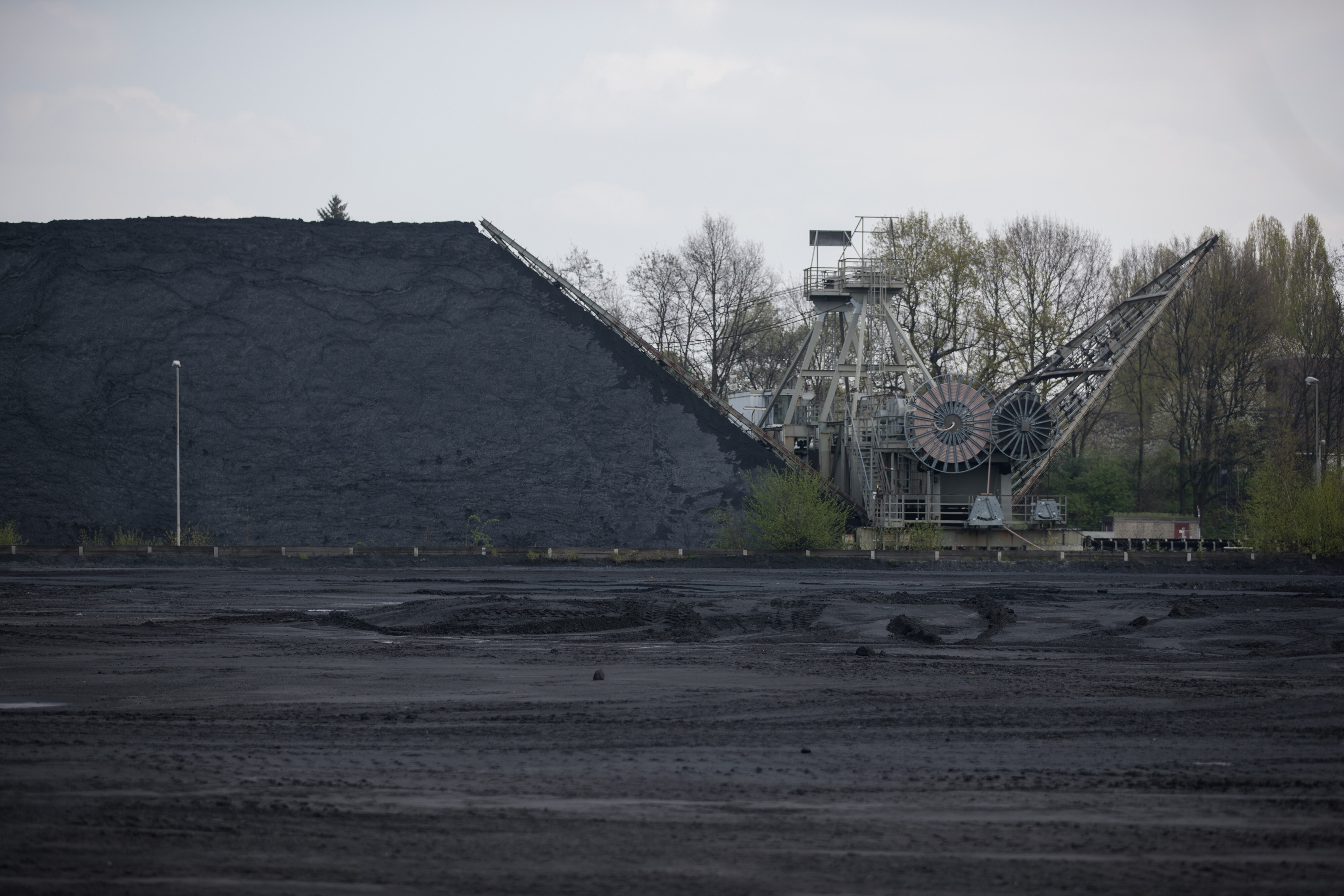
The captive power plants are sweating ahead of the summer which coincides with the general election.
The Central Electricity Authority had forecast the energy requirement to grow 6.5 percent to 1,337 billion units in the ongoing financial year after a jump of 6 percent in 2017-18. The demand, according to a report by Indian Ratings, is expected to jump 6-7 percent in 2019-20. And it peaks during summer months.
Already facing coal shortage, small units that produce electricity to meet internal needs of aluminium to steel producers have turned apprehensive fearing that the rising demand may lead to diversion of coal to independent power producers in an election year.
“On an average, in the last 11 months, the capital power industry has not received more than 50-55 percent of its coal entitlement from Coal India Ltd.,” Rahul Sharma, chairman of Indian Captive Power Association, told BloombergQuint. “We saw disruption in supplies in 2018 (in May, July and September ahead of state elections), when supplies were diverted to independent power producers.”
The diversion of coal results in idle capacity and huge risk of production halt or even plant closure, said Sharma. The units, he said, are forced to operate on costly imported coal, increasing the costs.
The power ministry, in a letter after the February 2019 conference of power ministers of states and union territories, asked states, the CEA and regional power committees to give priority to independent power producers—BloombergQuint has reviewed a copy of the letter. The government advised imported coal-based plants to keep adequate stocks. Domestic coal, it said, will be reserved for coal-based power plants.
Anticipating an increase in demand between March and June, states are tying up with generating companies for more power, power trader PTC India Ltd. said in its monthly report. That comes when coal stocks at 35 power plants with 48,722 megawatt capacity, according to CEA, ranged from one to seven days at the end of February against the 22-day requirement.
Distribution utilities have also signed short-term power purchase agreements in advance on the government's e-auction portal for April-October, Girishkumar Kadam, vice-president and sector head of corporate ratings at ICRA Ltd., told BloombergQuint. “There may be spikes in spot power price in the coming months on the energy exchange, depending on the power demand and coal availability.”
The captive power producers provide electricity to industries like aluminium, iron and steel, cement, copper, paper, among others. There are 51,000 MW of captive power capacity, about 28,000 MW of it fuelled by coal, according to Indian Captive Power Association.
These plants, which require close to 188 million tonnes of coal annually, are running low on fuel with some having one to five days of supply, said Sharma, adding that some companies are importing fuel to beef up their stocks to meet the extra demand during the upcoming election and summer.
State-run Coal India, which produced 527.7 MT of coal with an offtake 548.5 MT between April-February, targets a production of 610 MT for the current financial year. The power ministry's thermal power generation target of 1,059 billion units for 2019 requires 681 million tonne of coal—631 million for domestic coal-based plants and 46 million tonne of imported coal-based plants. But the miner has fallen short of the target in the last 12 years.
Any shortage will impact captive power plants more as these would have to supplement the coal requirement with either e-auctions or imported coal, Sharma said. “It takes 25 days to normailse supply after stoppage and 45 days to import coal.”

-
High US Salaries, No Green Card Certainty: The Financial Calculation Facing Indian H-1B Families

The suspension of PERM processing at eight technology employers does not cancel existing H-1B visas. What it does is force a question many Indian families have been avoiding: is the US salary worth tying your career and family plans to one employer?
-
Unhedged Position: Can India See An Indonesia-Style Time Correction?
The Nifty is trading below levels it first clocked in 2024. Is there, then, as I have suggested in the headline, potential that the current time correction drags on painfully for the next three-five, even ten years?
-
Navigating Friction And Energy Realities: An Analysis Of Marco Rubio's October Visit To India
Occurring at a critical juncture marked by stalled trade negotiations and escalating geopolitical pressures over global energy supplies, the visit offers a profound window into modern US-India relations.
-
India Exports Capital. Why Not Export Trusteeship?
The big question, then, is whether India can build an institution that global borrowers, investors, banks, and lawyers can trust, even without an Indian connection.
-
France's Economy & Politics Are In Crisis | The Reason Why
Let's look at how the French economy and politics evolved under Nicolas Sarkozy, Franois Hollande and Emmanuel Macron.
-
You May Inherit The Business. You Must Earn Its Credibility.
Succession tests the founder's ability to share authority as much as it tests the next generation's readiness to assume it.
-
Signing Deals Is One Thing; Making Them Work Is Another | The Week In Whys
Sometimes, things don't turn out as planned. Indian companies have lost some bids to rivals, some projects won't produce until 2030.
-
FOMC Wall, PERM Suspension, Hospital Stocks | Talking Points This Week
A PERM suspension would directly affect green-card sponsorship rather than H-1B visas, so the near-term earnings impact could remain relatively limited. The key question is whether this marks a new phase in US scrutiny of Indian IT.
-
Everything, Everywhere, All At Once: Dalal Street's Week To Forget | Joining The Dots
Visa curbs, a Starlink spat and cancer drug caps: what connects this week's shocks for Indian markets
-
India Is Going Abroad For Critical Minerals. But It May Take Years To Pay Off | The Reason Why
Although India's steps are in the right direction, they remain modest compared with India's growing dependence.









