Can India’s UPI Become A Global Model? Google Thinks So.
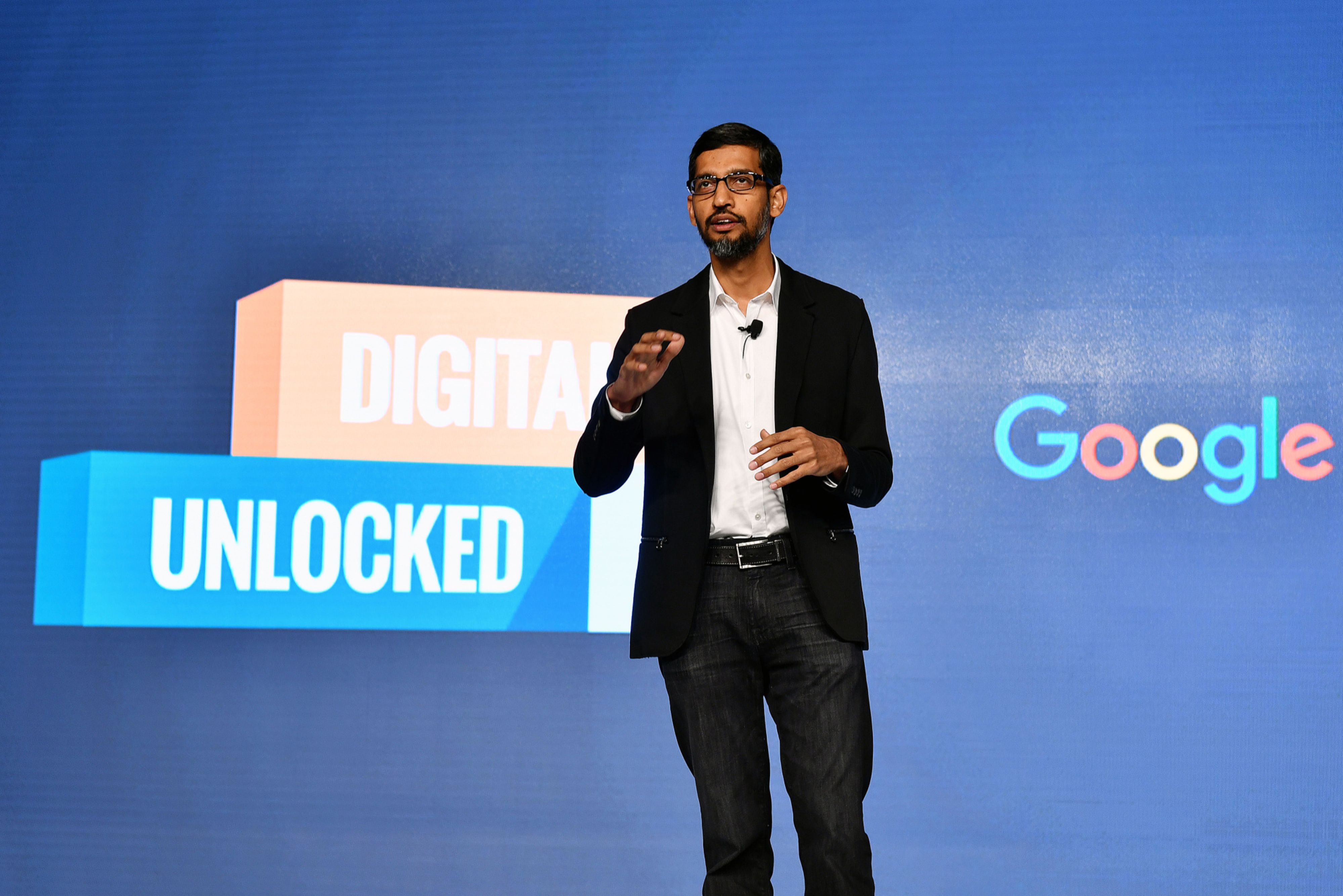
India's Unified Payment Interface, launched in 2016, has seen great success domestically.
Transactions have surged, a number of payment service providers have built their platforms atop UPI and customers have quickly adapted to it.
At last count, in November, 1.2 billion transactions took place via UPI adding up to nearly Rs 1.9 lakh crore, according to data from the National Payments Corporation of India.
Now UPI, which was built by the NPCI and operates on an open-payments framework, is getting global attention.
Google LLC has recommended that the U.S. Federal Reserve implement a real-time payments platform, on the lines of India's UPI.
In August this year, the board of governors of the Federal Reserve published a paper where it proposed to develop a new inter-bank 24x7 real-time gross settlement service, which would support faster payments in the U.S.
The central bank invited suggestions from relevant stakeholders on what the design and features of the ‘FedNow' Service could look like. The service may be rolled out by 2023 or 2024, the paper says.
In response, Google has cited the experience of the UPI model used in India.
“UPI was thoughtfully planned and critical aspects of its design led to its success,” said Google's Vice President of Government Affairs and Public Policy Mark Isakowitz, in a letter to Fed's board of governors the dated Nov. 7.
BloombergQuint has seen a copy of the letter.
“After just three years, the annual run rate of transactions flowing through UPI is about 19 percent of India's Gross Domestic Product, including 800 million monthly transactions valued at approximately $19 billion,” Iskowitz said, adding that Google Pay, the company's flagship payments application in India, is now one of the three leading UPI mobile applications.
Google has recommended that the Fed pursue a similar model of open-payments, which is what UPI is based on, so that the private entities are given flexibility to collaborate to find unique solutions, which can best serve the end-users.
Additionally, Google has asked that technology companies in the U.S. should be permitted to access the end-users' bank account information at the request of the customer.
It also says that the FedNow Service should enable “push” or “pull” transaction requests so that technology companies can build a platform where the user can initiate payments services with the bank executing transactions at the back-end, similar to UPI's design.
UPI's system allows banks, e-wallets and payment service providers to connect to the platform and build services on a mobile application. It also functions as a payments gateway for websites.
At the base of the system is UPI, on top of which customers can either use the NPCI's BHIM app, their banking applications or any of the numerous payments apps that have emerged in the last few years like Paytm, PhonePe or Google Pay.
Nearly 90 percent of transactions on UPI are person-to-person transactions, where neither the bank nor the payments application earns a fee. Therefore, these players aim to build their revenues by cross-selling other services, particularly through merchant partnerships.
UPI transactions soared to a record high of Rs 1.91 lakh crore by the end of October 2019, from close to Rs 75,000 crore in October 2018. In November 2019, there were 1.2 billion transactions worth Rs 1.89 lakh crore flowing through the UPI platform.

-
Talking Points This Week: Tech Nerves, FII Buying, And A Faraway Banking Shock

The global markets are not shining this Diwali. The exception in the large markets is, India.
-
Midterm Rally Lasted A Day. The Hard Reality Of A Divided US May Last Two Years | Opinion
Between a contested AI boom, a debt ceiling that arrives in 2027 and a president with every incentive to act alone, the next two years may prove more volatile than the first day's rally suggests.
-
Blue Wave Will Derail the AI Trade but Won't Dismantle the AI Era | Unhedged Position
The Democrats' sweep of the US Congress will see politics collide with economic forces both over the long and short term.
-
It's Time To Take The GST Council's Bet On Trust Global
Payment records can prove India's services exports, and clear, proportionate rules can bring foreign digital sellers into the tax net.
-
Opinion | India at 38: From Innovation Overperformer to Innovation Powerhouse
India now has 453 VC-backed deep science startups, 18 of them late-stage, after 117 percent growth since 2020. Laurus Labs, at USD 9.3 billion, is the most valuable deep science company in any middle-income economy outside China.
-
Navigating Energy Crossroads: S Jaishankar's Call For Diversified Supply Chains At G20 Ministerial Meeting
As geopolitical fault lines continue to test maritime trade routes and commodity flows, Jaishankar's message remains pertinent: true economic resilience requires open markets, protected transit lines, and a genuine commitment to multilateral cooperation rather than coercion.
-
Indians Are Travelling, But Not Every Journey Is A Holiday | The Week In Whys
Pilgrims, patients and working women are the real travellers, and the system hasn't quite caught up with them.
-
Getting To Work Costs Women More | The Reason Why
It is not just about women paying more than men. It is about women paying much more in cities than in villages.
-
AI Bias In Investing Cannot Be Eliminated, But It Can Be Governed
Framing is a particularly important example as identical financial information presented in terms of gains rather than losses can lead an LLM to reach a different assessment.









