Air India, Akasa CEOs Exchange Barbs Over Poaching Of Pilots: Report
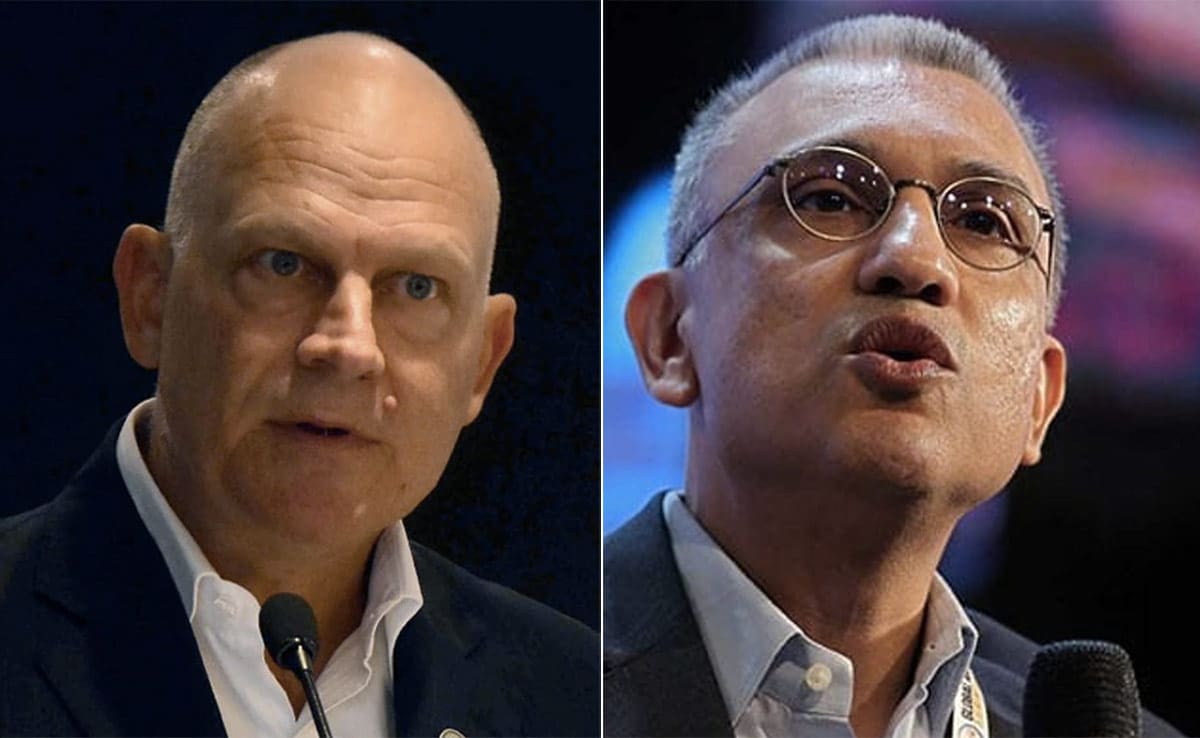
The chief executives of Air India and Akasa Air have privately exchanged barbs over the poaching of pilots, with the latter accusing its bigger rival of rule violations, provoking a reply that collusion to curb job switching can breach competition law.
The exchange, detailed in a Sept. 21 letter seen by Reuters, spotlights growing competition in India's aviation market, as a strong rebound in air travel after the pandemic, coupled with a flurry of orders for new aircraft, led to a shortage of pilots.
The rare verbal and written confrontations between the airlines' chief executives were detailed in the letter, sent by Campbell Wilson of Air India, which is owned by the Tata Group conglomerate, to Vinay Dube of low-cost airline Akasa.
It followed a telephone call between them and a missive Dube had sent expressing his concerns to the Tata Group.
The Sept 21 letter shows Air India pushed back after Akasa accused it of contravening government policies that mandate a notice period of six to 12 months for pilots, rules that Indian pilots' groups are challenging in court.
Wilson told his counterpart the government rules were "not currently enforceable", adding that Akasa itself had "previously engaged in the same actions" by poaching pilots from Tata Group's budget carrier, Air India Express, and other airlines.
"It was a little surprising to us that Akasa now found the practice objectionable," Wilson wrote in the letter, which Reuters is reporting for the first time.
Akasa did not comment on its communication with Air India, but said the issue of pilot exits was "now behind us ... we are squarely back in growth mode".
Air India declined to comment and the two chief executives did not respond to requests for comment.
The dispute comes at the time of a hiring spree by Air India, with its arm, Air India Express, seeking to more than triple its fleet to 170 over five years.
In recent weeks, Akasa has lost about a tenth of its 450 pilots, who left without serving out notice periods, some to join Air India Express.
In September, Akasa said it feared a shutdown and sued some pilots, as well as the aviation watchdog, for not coming to its aid, in lawsuits still pending in the courts.
In his letter, Wilson added that he had "cautioned" Dube during their telephone call that asking a competitor to collude in curbing employees' rights to switch employers "could be construed as potentially a contravention of competition law".
"I regret that you interpreted my courtesy of taking your call and listening to your request as assent," he added.
The Federation of Indian Pilots has described the alleged mass resignations from Akasa as an "indication" of employee discontent, while India's aviation watchdog has said it cannot interfere in matters related to employment contracts.
India's newest airline, Akasa started flying in 2022, garnering a market share of 4%. It competes with IndiGo, which commands a share of 60% and Tata Group's airlines that together have a share of 25.7%.
In the Sept 21 letter, Air India's Wilson expressed the hope that Akasa would make investments to "attract, retain and develop" its own staff, adding that his airline looked forward to "continuing healthy competition".
(Except for the headline, this story has not been edited by NDTV staff and is published from a syndicated feed.)

-
A New Samvat Wishlist: Inclusive Prosperity And Human Development

India has strengthened its economic foundations through infrastructure, digital access and enterprise. Its next growth chapter must deepen productivity, create better livelihoods and widen participation in prosperity.
-
Love, Sex Aur Dhokha: The Audacious Plot To Spy On Jensen Huang
A Taipei dinner, a Singapore chip buyer and a suspected Chinese asset: inside the alleged spy operation that got close to NVIDIA's Jensen Huang.
-
Ten Things I Learnt This Samvat
Patience can be a trap. Cheap stocks can stay cheap. Leverage can wipe you out. What did Samvat 2082 teach us? Niraj Shah writes on 10 lessons from the year gone by.
-
Talking Points This Week: Tech Nerves, FII Buying, And A Faraway Banking Shock
The global markets are not shining this Diwali. The exception in the large markets is, India.
-
Midterm Rally Lasted A Day. The Hard Reality Of A Divided US May Last Two Years | Opinion
Between a contested AI boom, a debt ceiling that arrives in 2027 and a president with every incentive to act alone, the next two years may prove more volatile than the first day's rally suggests.
-
Blue Wave Will Derail the AI Trade but Won't Dismantle the AI Era | Unhedged Position
The Democrats' sweep of the US Congress will see politics collide with economic forces both over the long and short term.
-
It's Time To Take The GST Council's Bet On Trust Global
Payment records can prove India's services exports, and clear, proportionate rules can bring foreign digital sellers into the tax net.
-
Opinion | India at 38: From Innovation Overperformer to Innovation Powerhouse
India now has 453 VC-backed deep science startups, 18 of them late-stage, after 117 percent growth since 2020. Laurus Labs, at USD 9.3 billion, is the most valuable deep science company in any middle-income economy outside China.
-
Navigating Energy Crossroads: S Jaishankar's Call For Diversified Supply Chains At G20 Ministerial Meeting
As geopolitical fault lines continue to test maritime trade routes and commodity flows, Jaishankar's message remains pertinent: true economic resilience requires open markets, protected transit lines, and a genuine commitment to multilateral cooperation rather than coercion.









