Cairn Oil Starts Shale Exploration In Barmer
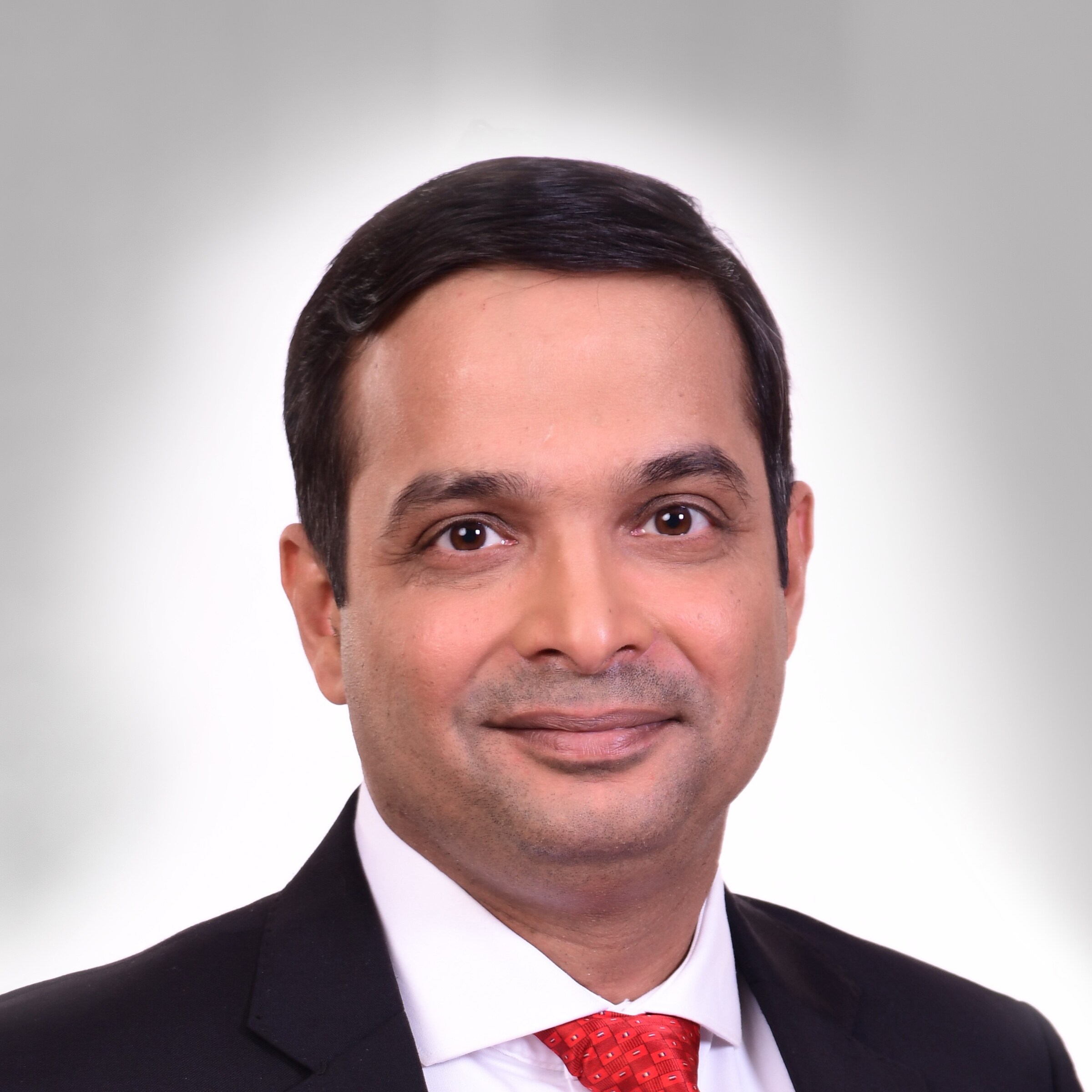
Vedanta Group's Cairn Oil & Gas has started exploration for shale in Barmer, Rajasthan, with global energy major Halliburton Energy Services drilling the first well.
The company has completed the subsurface study and identified locations for shale activity in the existing oil fields of Barmer.
The company will drill at least three to four wells in FY23 in these locations, Prachur Sah, deputy chief executive officer of Cairn Oil & Gas, told BQ Prime.
Sah said the company has tied up with global energy majors Halliburton Energy Services, Schlumberger Ltd., and Baker Hughes to carry out drilling and exploration activity for shale in Barmer.
"We see a potential of one billion barrels of shale oil and gas from our Barmer fields. However, the reserves can only be determined after the completion of exploration activities,” Sah said.
The company hopes to drill a minimum of four wells in the current fiscal. However, further drilling activities will depend on the success of the initial wells, Sah said.
According to Sah, the company has the advantage of exploring shale in Rajasthan, where they do not have to build new infrastructure.
“We can use our existing infrastructure to hook up the wells. So, we will just have to drill more wells,” he said.
Shale has the potential to be a game changer for India, the way it was in the U.S. However, the execution of shale projects is costly and will hinge on supportive policy from the government, he said.
“We remain hopeful and have been in talks with the Indian government to help make shale commercially viable.”
Investments
Cairn plans to invest $5 billion to raise its overall crude oil production to 5,00,000 barrels of oil equivalent by 2025. "That will help us meet India's 50% crude oil requirement," he said.
The company has already invested around $2 billion in the last two years and plans to invest another $3 billion in the next three years in areas such as the enhanced oil recovery project, the alkaline surfactant polymer project—used as a technologically upgraded mechanism to increase production from existing fields—and exploration activities.
The company expects that if the shale exploration is successful, it will entail an investment of over $2 billion to $3 billion.
The company is looking for government support in the form of incentives and lower taxes to attract global investors in the hydrocarbon sector.
“With the windfall tax on the production of crude oil, we are paying around 80% of our revenue in the form of taxes. Even without windfall levies, we were paying 70% of our revenue as tax to the government of India. Globally, the practice is around 20–25%."
He said they are in talks with the government to reduce these taxes to below 40% to buoy investor sentiment.
Ten-Year Extension For Barmer Fields
On Oct. 27, the company announced that it had secured approval from the government to extend the production sharing contract for its Rajasthan block for another ten years, until May 2030.
According to Sah, the PSC will boost capital expenditure and encourage private players to enter the sector.
“This extension will be a key determinant in our goal of doubling production and helping India achieve energy atmanirbharta.”
(Corrects an earlier version that misstated Sah's designation and surname)

-
It's Time To Take The GST Council's Bet On Trust Global

Payment records can prove India's services exports, and clear, proportionate rules can bring foreign digital sellers into the tax net.
-
Opinion | India at 38: From Innovation Overperformer to Innovation Powerhouse
India now has 453 VC-backed deep science startups, 18 of them late-stage, after 117 percent growth since 2020. Laurus Labs, at USD 9.3 billion, is the most valuable deep science company in any middle-income economy outside China.
-
Navigating Energy Crossroads: S Jaishankar's Call For Diversified Supply Chains At G20 Ministerial Meeting
As geopolitical fault lines continue to test maritime trade routes and commodity flows, Jaishankar's message remains pertinent: true economic resilience requires open markets, protected transit lines, and a genuine commitment to multilateral cooperation rather than coercion.
-
Indians Are Travelling, But Not Every Journey Is A Holiday | The Week In Whys
Pilgrims, patients and working women are the real travellers, and the system hasn't quite caught up with them.
-
Getting To Work Costs Women More | The Reason Why
It is not just about women paying more than men. It is about women paying much more in cities than in villages.
-
AI Bias In Investing Cannot Be Eliminated, But It Can Be Governed
Framing is a particularly important example as identical financial information presented in terms of gains rather than losses can lead an LLM to reach a different assessment.
-
Joining The Dots | Dark Skies, Steady Diya: Why Hope Holds This Diwali
With war, a weak rupee and foreign outflows weighing on sentiment, policymakers at the NDTV World Summit and market veterans at NDTV Profit Ignite: Diwali Edition offered the same advice: stay invested and filter out the noise.
-
The Curious Case of Equitas Small Finance Bank And A CEO Who Quit For Stock
PN Vasudevan believes persistent investor concerns over a perceived conflict of interest had become a governance overhang on Equitas Small Finance Bank's stock, even as the lender improved profitability and asset quality.
-
Talking Points This Week: AI Cash Burn, A Tiger Comeback And An India That Still Finds Its Own Path
India is not immune to higher oil or tighter global liquidity, yet its earnings base is broader, its domestic policy levers are still available.










