RBI May Be Given More Powers Under New Bad Loan Resolution Plan
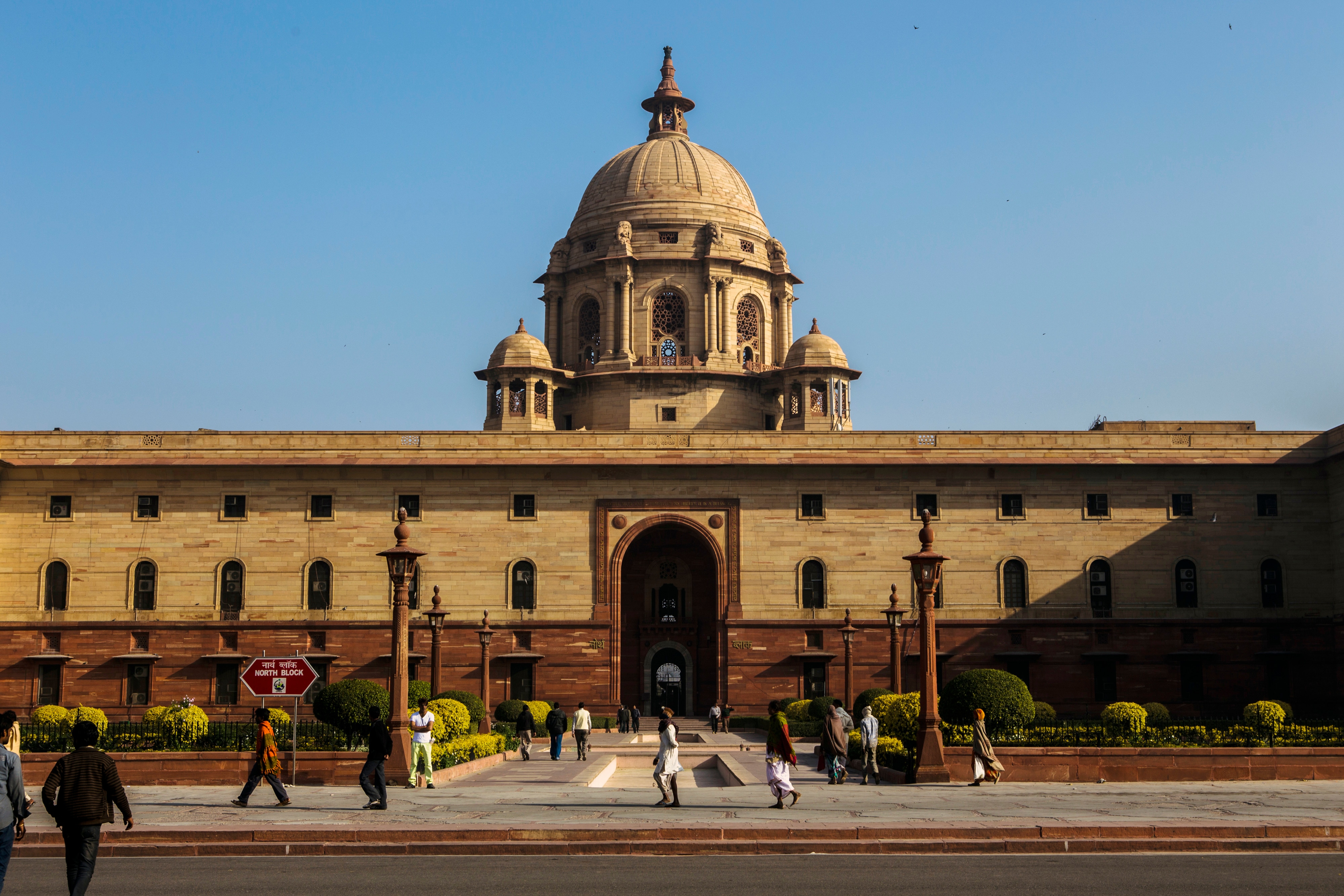
The Union Cabinet has approved amending the Banking Regulation Act, 1949, to deal with the problem of non-performing assets for banks, according to a senior government official. Another official from the finance ministry said the the Reserve Bank of India (RBI) will get more power to take action against defaulting companies.
Earlier Finance Minister Arun Jaitley, said the Cabinet has sent a proposal to deal with the resolution of bad loans to the President Pranab Mukherjee. The details of the plan will be made public after the President gives his assent.
Indian banks have been grappling with a large pile of non-performing assets and various proposals have been floated by the government and Reserve Bank of India (RBI) officials including RBI Deputy Governor Viral Acharya's suggestion to set up a resolution agency. Chief Economic Adviser Arvind Subramanian had also made a similar proposal on a “bad bank” in his Economic Survey tabled in Parliament in January.
In March this year, the government had said it was considering setting up an overseeing committee to vet large bad loan restructuring deals.
The chairman of the country's largest public sector lender Arundhati Bhattacharya, had also welcomed such a move in an interview to BloombergQuint, saying it would provide comfort to bankers at a time when lenders need to take deep haircuts on stressed assets.
Ashvin Parekh, managing partner of Ashvin Parekh Advisory Services told BloombergQuint that setting up an overseeing committee, which has the powers to overrule the decision of a bank board, would need an amendment to the Banking Regulation Act. Equally, any powers given to the Reserve Bank of India to direct banks to deal with any one account in a specific way would also need a change in the Act.
“While we do not know what is coming, we need an air-tight solution,” said Parekh.

-
Medicine Pricing: Where Must Profit Stop?

India must confront excessive margins, hidden incentives and regulatory gaps that threaten the integrity of medicine.
-
Why Amazon And Flipkart Are Struggling To Beat Meesho In India's Smaller Cities
With 274 million users and lowest-cost logistics, Meesho is defending its value commerce crown against giants like Amazon and Flipkart.
-
High US Salaries, No Green Card Certainty: The Financial Calculation Facing Indian H-1B Families
The suspension of PERM processing at eight technology employers does not cancel existing H-1B visas. What it does is force a question many Indian families have been avoiding: is the US salary worth tying your career and family plans to one employer?
-
Swiggy vs Eternal: Food Delivery's Two Rivals Are No Longer In The Same Race
Eternal is building a private AI assistant, dark.ai. Swiggy is still working out how to make Instamart pay, with an operating loss of Rs 895 crore in the July-September quarter while Blinkit stayed profitable.
-
Where You Live Shapes How You Get To Work | The Reason Why
Two-wheelers are the most popular way to get to work in India, accounting for nearly 43% of workplace commutes.
-
Unhedged Position: Can India See An Indonesia-Style Time Correction?
The Nifty is trading below levels it first clocked in 2024. Is there, then, as I have suggested in the headline, potential that the current time correction drags on painfully for the next three-five, even ten years?
-
Navigating Friction And Energy Realities: An Analysis Of Marco Rubio's October Visit To India
Occurring at a critical juncture marked by stalled trade negotiations and escalating geopolitical pressures over global energy supplies, the visit offers a profound window into modern US-India relations.
-
India Exports Capital. Why Not Export Trusteeship?
The big question, then, is whether India can build an institution that global borrowers, investors, banks, and lawyers can trust, even without an Indian connection.
-
France's Economy & Politics Are In Crisis | The Reason Why
Let's look at how the French economy and politics evolved under Nicolas Sarkozy, Franois Hollande and Emmanuel Macron.
-
You May Inherit The Business. You Must Earn Its Credibility.
Succession tests the founder's ability to share authority as much as it tests the next generation's readiness to assume it.










