Buying a Used Car? Here's What to Look Out For
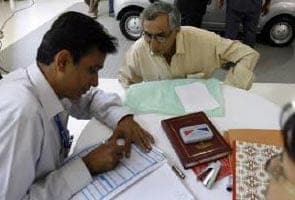
The used car market in India is still largely unorganised. Although most major auto companies now offer certified used cars, most of the transactions still take place in the open market.
Maruti, Hyundai, General Motors, Toyota, Tata Motors, Mahindra & Mahindra etc. all sell certified used cars complete with warranty, not just from their own stable but across brands.
There are different stages of checking and testing that these cars undergo, before being certified by the companies.
However, because the companies say these cars go through rigorous testing, they charge much more than what the neighbourhood used-car dealer would.
There are also cars sold by auto companies, without the certifications and the warranty, which cost substantially less, but they would still be more expensive than the dealer operating in the unorganised sector.
There's no reason to be too wary about the unorganised sector, as many a time you can pick up a great deal from there.
Buying a second-hand car is not a bad idea, but if you have the means, most people would suggest you go for a new car- simply because of the fact that there are less hassles involved. A new car is unlikely to give any trouble in the first three odd years at least.
Even if a car is in mint-condition, and has only run a few months or a few miles, it will attract a price much less that its original price, while being sold, because it is a depreciating asset. It is a good idea to keep a lookout for such deals while buying a used car.
"If you buy a new car for around Rs 10 lakh and want to to sell it off immediately, you can easily shave off a lakh (Rs 1 lakh)," says auto expert Tutu Dhawan.
The more premium and high-end the car, the better a deal the new buyer stands to get, opines Mr Dhawan.
For cars within the Rs 5 lakh bracket, Rs 50,000 can easily be discounted if it is being sold off in a month or two, he says.
My first car was a second hand 'certified' automobile from one of India's major auto companies. Although there were some minor issues with the clutch and brake of the car, which I found out in the course of driving it for the first few days- they were quickly addressed and fixed by the company. I drove it for a year, and got a good price while selling it off. What worked in my favour was it was one of the more popular cars from one of India's most trusted car makers, it was silver in colour (silver and white have the best re-sale value), it was fuel-efficient, and well-maintained.
While buying a used car, keep re-sale in mind. White and silver, as mentioned earlier attract better prices; a popular car whose spare-parts are readily available and are not very expensive should also be part of the checklist.
When you go to check or test-drive a used car, take somebody along with you, who understands cars well. It is always a good idea to take a seasoned driver or a mechanic along, they would be looking at it sans the rose-tinted glasses which you may have put on- simply because you love the way the car looks.
Even if it is a certified company car, make a checklist about the gears, clutch, brake, accelerator, steering, tyres, headlamps, doors, windows, horn, wiper- check if everything is functioning properly, if anything seems amiss raise it with the dealer or the company immediately.
And once you have zeroed in on the car you want, make sure all the paper work is in order.

-
High US Salaries, No Green Card Certainty: The Financial Calculation Facing Indian H-1B Families

The suspension of PERM processing at eight technology employers does not cancel existing H-1B visas. What it does is force a question many Indian families have been avoiding: is the US salary worth tying your career and family plans to one employer?
-
Swiggy vs Eternal: Food Delivery's Two Rivals Are No Longer In The Same Race
Eternal is building a private AI assistant, dark.ai. Swiggy is still working out how to make Instamart pay, with an operating loss of Rs 895 crore in the July-September quarter while Blinkit stayed profitable.
-
Where You Live Shapes How You Get To Work | The Reason Why
Two-wheelers are the most popular way to get to work in India, accounting for nearly 43% of workplace commutes.
-
Unhedged Position: Can India See An Indonesia-Style Time Correction?
The Nifty is trading below levels it first clocked in 2024. Is there, then, as I have suggested in the headline, potential that the current time correction drags on painfully for the next three-five, even ten years?
-
Navigating Friction And Energy Realities: An Analysis Of Marco Rubio's October Visit To India
Occurring at a critical juncture marked by stalled trade negotiations and escalating geopolitical pressures over global energy supplies, the visit offers a profound window into modern US-India relations.
-
India Exports Capital. Why Not Export Trusteeship?
The big question, then, is whether India can build an institution that global borrowers, investors, banks, and lawyers can trust, even without an Indian connection.
-
France's Economy & Politics Are In Crisis | The Reason Why
Let's look at how the French economy and politics evolved under Nicolas Sarkozy, Franois Hollande and Emmanuel Macron.
-
You May Inherit The Business. You Must Earn Its Credibility.
Succession tests the founder's ability to share authority as much as it tests the next generation's readiness to assume it.
-
Signing Deals Is One Thing; Making Them Work Is Another | The Week In Whys
Sometimes, things don't turn out as planned. Indian companies have lost some bids to rivals, some projects won't produce until 2030.
-
FOMC Wall, PERM Suspension, Hospital Stocks | Talking Points This Week
A PERM suspension would directly affect green-card sponsorship rather than H-1B visas, so the near-term earnings impact could remain relatively limited. The key question is whether this marks a new phase in US scrutiny of Indian IT.









