Buying A Bigger Home In Smaller Cities Made Easier
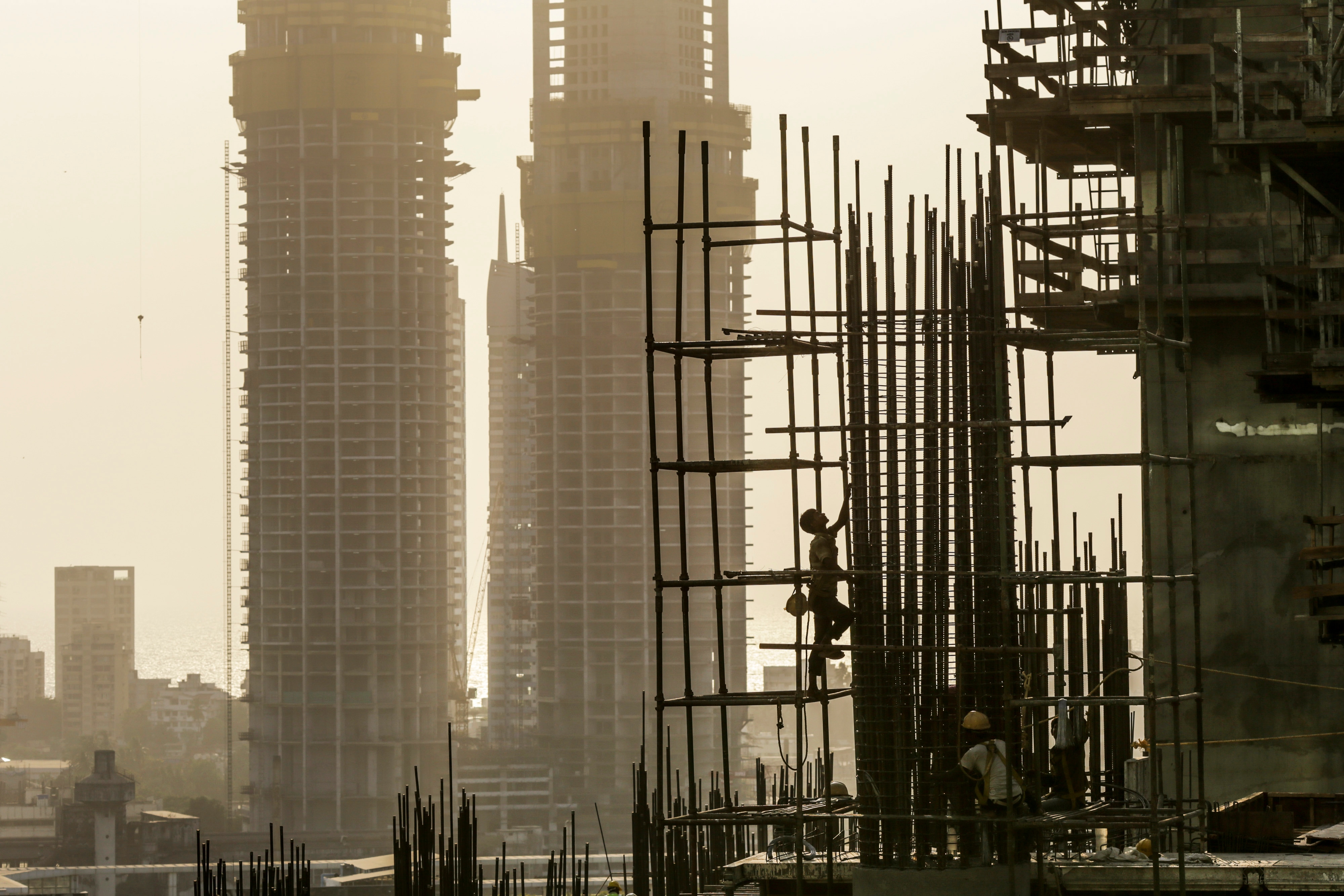
Developers in smaller cities and towns just got a boost.
Bigger apartments will be eligible for subsidy on home loans under Prime Minister's ‘Housing For All' scheme after the carpet area cap was raised from 100 to 150 square metres. Buyers in metros like Mumbai won't gain as the average cost is high, which puts flats beyond the means of those within the income limit of Rs 18 lakh. In comparison, homes are cheaper and bigger in smaller cities.
“By earlier definition, a large segment of supply was not covered,” said Pankaj Kapoor, founder of real estate researcher Liases Foras. “By increasing the carpet area, a lot of available supply has been encapsulated. It would help get rid of the glut.”
Inventory piled up after demonetisation squeezed out the cash component of real estate transactions—that could go up to 40 percent of an apartment's cost. The Real Estate Regulation Act added to the funds crunch—it holds developers liable for promises and bars them transferring money from one project to another.
While sales are yet to revive in the top eight cities, demand for affordable homes is growing. Total units sold till August 31 this year are estimated at 319,000, said a report by property consultant Cushman and Wakefield and real estate data analytics provider Propstack. One and two-bedroom homes contributed 87 percent of this.
Most of such homes are coming up in tier 2 and tier 3 cities, said Manju Yagnik, vice-chairperson at Mumbai-based developer Nahar Group. The government's scheme is aimed at such buyers.
Beneficiaries of the Pradhan Mantri Awas Yojana are split into two middle-income group categories:
- MIG-I: Those with an annual income between Rs 6 lakh and Rs 12 lakh get an interest subsidy of 4 percent on a 20-year loan of Rs 9 lakh.
- MIG-II: Buyers with annual income of Rs 12-18 lakh get an interest subsidy of 3 percent for a loan of Rs 12 lakh.
Going by Income Tax Department's assessment data, the pool of such buyers comprises 71 lakh individuals—earning Rs 5.5-20 lakh in the year 2014-15.
“So, the average middle class in smaller towns and cities would be able to afford bigger and better-quality homes than before,” said Jaxay Shah, president at developers' lobby group CREDAI. “On the supply side, private developers have improved incentives to increase scale,” he said.
Even in Mumbai, areas beyond suburban Thane witnessed the highest number of project launches, driven by cheaper land and the government's incentives for affordable housing, according to the report cited earlier.
Not surprising when an average one-bedroom apartment costs upwards of Rs 45 lakh in Mumbai's outer municipal limits, listings on property portal MagicBricks show. Banks fund 75 percent of a property's cost through a mortgage. Even if a buyer manages to pitch in the rest—about Rs 11 lakh—it will be difficult to get a loan of Rs 34 lakh on a yearly income of Rs 18 lakh—the cap under the Credit Linked Subsidy Scheme.
While metro buyers may not benefit, others will, said Ramesh Nair, chief executive officer of property consultant JLL India. “We just think about metros. For the larger audience, this (increased carper area) is a step in the right direction,” Nair said.
Developers Seek Higher Income Cap
While the government raised the carpet area cap under its affordable housing scheme, earlier income and loan caps stay.
There is no point in increasing the size of the apartment if there is a cap on the income, said Rohit Poddar, founder of Poddar Housing and Developers in Mumbai.
Half the inventory of developers registered under RERA was unsold as of August 31 in Mumbai, according to the Cushman & Wakefield-Propstack report.
Rajesh Krishnan, founder and CEO of advisory Brick Eagle Group said to strengthen the case of affordable housing, the supply side should be boosted. “The subsidy should be targeted at the low-income group and more should be done to boost the supply in that bracket.”

-
Blue Wave Will Derail the AI Trade but Won't Dismantle the AI Era | Unhedged Position

The Democrats' sweep of the US Congress will see politics collide with economic forces both over the long and short term.
-
It's Time To Take The GST Council's Bet On Trust Global
Payment records can prove India's services exports, and clear, proportionate rules can bring foreign digital sellers into the tax net.
-
Opinion | India at 38: From Innovation Overperformer to Innovation Powerhouse
India now has 453 VC-backed deep science startups, 18 of them late-stage, after 117 percent growth since 2020. Laurus Labs, at USD 9.3 billion, is the most valuable deep science company in any middle-income economy outside China.
-
Navigating Energy Crossroads: S Jaishankar's Call For Diversified Supply Chains At G20 Ministerial Meeting
As geopolitical fault lines continue to test maritime trade routes and commodity flows, Jaishankar's message remains pertinent: true economic resilience requires open markets, protected transit lines, and a genuine commitment to multilateral cooperation rather than coercion.
-
Indians Are Travelling, But Not Every Journey Is A Holiday | The Week In Whys
Pilgrims, patients and working women are the real travellers, and the system hasn't quite caught up with them.
-
Getting To Work Costs Women More | The Reason Why
It is not just about women paying more than men. It is about women paying much more in cities than in villages.
-
AI Bias In Investing Cannot Be Eliminated, But It Can Be Governed
Framing is a particularly important example as identical financial information presented in terms of gains rather than losses can lead an LLM to reach a different assessment.
-
Joining The Dots | Dark Skies, Steady Diya: Why Hope Holds This Diwali
With war, a weak rupee and foreign outflows weighing on sentiment, policymakers at the NDTV World Summit and market veterans at NDTV Profit Ignite: Diwali Edition offered the same advice: stay invested and filter out the noise.
-
The Curious Case of Equitas Small Finance Bank And A CEO Who Quit For Stock
PN Vasudevan believes persistent investor concerns over a perceived conflict of interest had become a governance overhang on Equitas Small Finance Bank's stock, even as the lender improved profitability and asset quality.










