Rs 61,398 Crore For Health Sector In Budget, Highest In Two Years
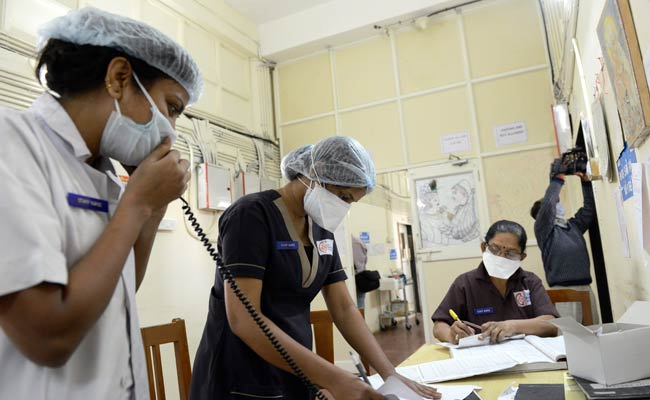
Union Finance Minister Piyush Goyal on Friday announced Rs 61,398 crore budgetary allocation for the health sector for the 2019-2020 fiscal, with Rs 6,400 crore earmarked for the centre's ambitious "Ayushman Bharat" scheme.
The health outlay for the upcoming financial year is the highest in the last two financial years and a 16 per cent increase over the 2018-2019 allocation which was Rs 54,302.50 crore.
Over Rs 250 crore has been allocated for setting up Ayushman Bharat Health and Wellness Centres under the National Urban Health Mission to provide comprehensive and quality primary care close to the community. Rs 1350 crore has been set aside for the Health and Wellness Centres under the National Rural Health Mission.
Under the programme, nearly 1.5 lakh sub-centres and primary health centres will be transformed as health and wellness centres by 2022. These centres will be equipped to provide treatment for diabetes, cancer and other illnesses.
The allocation for the National Health Mission (NHM) for 2019-20 was raised to Rs 31,745 crore from the last budget''s allocation of Rs 30,683.05 crore. The Rashtriya Swasthya Bima Yojna (RSBY) which features under the NHM saw an allocation of Rs 156 crore, a decline of Rs 144 crore.
The government allocated Rs 2,500 crore to its National AIDS and STD Control Programme an increase of Rs 575 crore from last budget's allocation of Rs 1,925 crore.
The budgetary allocation for the AIIMS has been increased to Rs 3599 crore from Rs 3,298 crore in the 2018-2019 fiscal.
The National Programme for Health Care for the Elderly saw an increase in allocation from Rs 80 crore to Rs 105 crore while the National Mental Health Programme saw an hike from Rs 5.50 crore to Rs 40 crore.
The budgetary allocation for the National Programme for prevention and control of Cancer, Diabetes, Cardio-vascular Disease and Stroke was increased to Rs 175 crore from Rs 100.50 crore. Allocation to the Tobacco Control Programme and Drug Deaddiction Programme was Rs 65 crores, a decline by Rs 2 crore.

-
A New Samvat Wishlist: Inclusive Prosperity And Human Development

India has strengthened its economic foundations through infrastructure, digital access and enterprise. Its next growth chapter must deepen productivity, create better livelihoods and widen participation in prosperity.
-
Love, Sex Aur Dhokha: The Audacious Plot To Spy On Jensen Huang
A Taipei dinner, a Singapore chip buyer and a suspected Chinese asset: inside the alleged spy operation that got close to NVIDIA's Jensen Huang.
-
Ten Things I Learnt This Samvat
Patience can be a trap. Cheap stocks can stay cheap. Leverage can wipe you out. What did Samvat 2082 teach us? Niraj Shah writes on 10 lessons from the year gone by.
-
Talking Points This Week: Tech Nerves, FII Buying, And A Faraway Banking Shock
The global markets are not shining this Diwali. The exception in the large markets is, India.
-
Midterm Rally Lasted A Day. The Hard Reality Of A Divided US May Last Two Years | Opinion
Between a contested AI boom, a debt ceiling that arrives in 2027 and a president with every incentive to act alone, the next two years may prove more volatile than the first day's rally suggests.
-
Blue Wave Will Derail the AI Trade but Won't Dismantle the AI Era | Unhedged Position
The Democrats' sweep of the US Congress will see politics collide with economic forces both over the long and short term.
-
It's Time To Take The GST Council's Bet On Trust Global
Payment records can prove India's services exports, and clear, proportionate rules can bring foreign digital sellers into the tax net.
-
Opinion | India at 38: From Innovation Overperformer to Innovation Powerhouse
India now has 453 VC-backed deep science startups, 18 of them late-stage, after 117 percent growth since 2020. Laurus Labs, at USD 9.3 billion, is the most valuable deep science company in any middle-income economy outside China.
-
Navigating Energy Crossroads: S Jaishankar's Call For Diversified Supply Chains At G20 Ministerial Meeting
As geopolitical fault lines continue to test maritime trade routes and commodity flows, Jaishankar's message remains pertinent: true economic resilience requires open markets, protected transit lines, and a genuine commitment to multilateral cooperation rather than coercion.









