British Indian Steel Tycoon Clinches U.S. Acquisition Deal
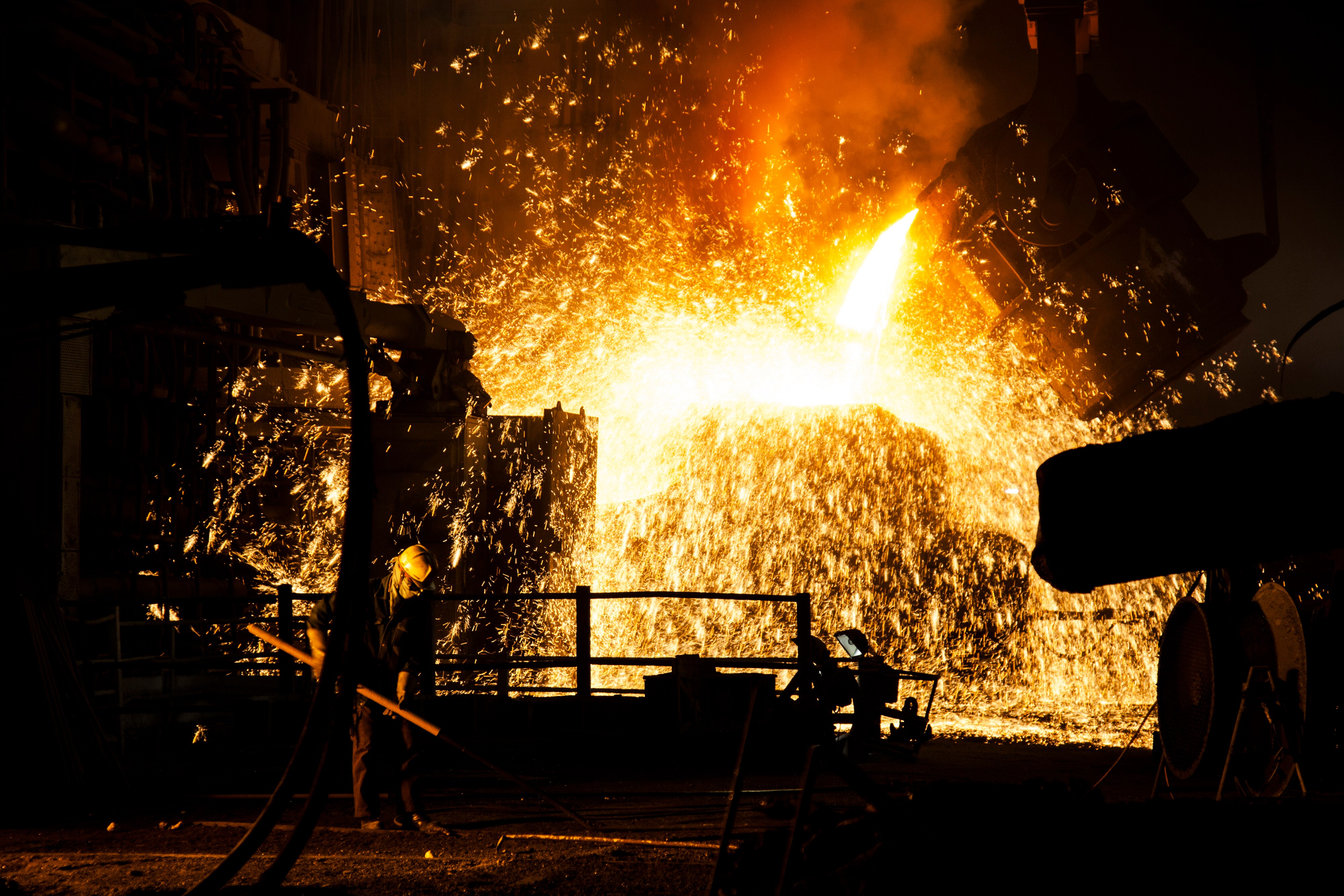
British Industrialist of Indian-origin Sanjeev Gupta's GFG Alliance on Monday announced a binding agreement to purchase all of the outstanding stock in U.S.-based Keystone Consolidated Industries Inc. from Contran Corporation.
Under the terms of the deal, GFG Alliance's company Liberty Steel USA will acquire Keystone Consolidated, including all its subsidiaries, for $320 million in cash, less certain assumed liabilities.
The company said the purchase is expected to close by the end of this month, subject to regulatory review.
“The Keystone acquisition is a core part of GFG's GreenSteel vision to become a leading U.S. producer of high quality, cleanly produced steel,” said Gupta, executive chairman of GFG Alliance.
“As we look ahead to the future, GFG will benefit from Keystone's century-long history, its robust operations, and its reputation for producing top quality steel,” he said.
According to the GFG Alliance, the acquisition will vault Liberty into position as one of the leading producers of wire rod in the U.S.
Keystone and its businesses offer Liberty the chance to merge our existing U.S. steel business with one of the country's most productive wire rod operations.Grant Quasha, Chief Investment Officer, GFG North American
“Combined with Liberty Steel Georgetown, Keystone will increase our downstream capabilities, create critical synergies, add strong management and provide better value and products for customers as we advance our U.S. steel business to our 5 million tonne per annum goal,” he said.
GFG said Keystone Steel and Wire, a division of Keystone Consolidated, has an over 100-year-old history in the steel and steel products business and a strong reputation for quality and performance.
Keystone Consolidated recently posted its strongest results in its long history and adds a top-producing wire rod facility with a 1.1-million-tonne capacity electric arc furnace, the market leading agricultural fence products of RedBrand, industrial wire, an MBQ/SBQ bar mill, three welded wire reinforcement mesh facilities and a PC strand facility to the Liberty Steel USA family.
The deal is financed by two large North American banks, who will be providing an asset backed loan facility and funds managed by BlackRock Financial Management Inc., who will be providing a term loan.
The GFG will contribute equity and its “unencumbered” Liberty Steel Georgetown plant to the transaction.
The GFG acquired Liberty Steel Georgetown, its Georgetown, South Carolina steel plant, at the end of 2017 from ArcelorMittal, who had mothballed the plant.
The company restarted the plant in June this year and said it has been steadily ramping production to an estimated 400 kilotonne run rate by the first quarter of 2019, with further expansion to follow.
The GFG said it has rehired over 100 employees at the site, recruited over 50 new employees, has revitalised the facility and has re-established its reputation to be the premier producer of high carbon wire rod in the U.S.
Together, the Keystone Consolidated and the Liberty Steel Georgetown will form the core of the GFG's North American business, which the company is looking to grow further with additional acquisitions in the coming months.
The GFG plans a diverse mix of assets for the U.S. business, ranging from the revitalisation of steel plants that had previously been taken offline, such as Georgetown, to those which are operating and performing very well like Keystone Consolidated.
While the current portfolio is focused on value added long steel products, the company said it is actively pursuing additional acquisitions in flat products and further downstream capabilities to drive towards 5 million tonne per annum of capacity by 2020.

-
High US Salaries, No Green Card Certainty: The Financial Calculation Facing Indian H-1B Families

The suspension of PERM processing at eight technology employers does not cancel existing H-1B visas. What it does is force a question many Indian families have been avoiding: is the US salary worth tying your career and family plans to one employer?
-
Swiggy vs Eternal: Food Delivery's Two Rivals Are No Longer In The Same Race
Eternal is building a private AI assistant, dark.ai. Swiggy is still working out how to make Instamart pay, with an operating loss of Rs 895 crore in the July-September quarter while Blinkit stayed profitable.
-
Where You Live Shapes How You Get To Work | The Reason Why
Two-wheelers are the most popular way to get to work in India, accounting for nearly 43% of workplace commutes.
-
Unhedged Position: Can India See An Indonesia-Style Time Correction?
The Nifty is trading below levels it first clocked in 2024. Is there, then, as I have suggested in the headline, potential that the current time correction drags on painfully for the next three-five, even ten years?
-
Navigating Friction And Energy Realities: An Analysis Of Marco Rubio's October Visit To India
Occurring at a critical juncture marked by stalled trade negotiations and escalating geopolitical pressures over global energy supplies, the visit offers a profound window into modern US-India relations.
-
India Exports Capital. Why Not Export Trusteeship?
The big question, then, is whether India can build an institution that global borrowers, investors, banks, and lawyers can trust, even without an Indian connection.
-
France's Economy & Politics Are In Crisis | The Reason Why
Let's look at how the French economy and politics evolved under Nicolas Sarkozy, Franois Hollande and Emmanuel Macron.
-
You May Inherit The Business. You Must Earn Its Credibility.
Succession tests the founder's ability to share authority as much as it tests the next generation's readiness to assume it.
-
Signing Deals Is One Thing; Making Them Work Is Another | The Week In Whys
Sometimes, things don't turn out as planned. Indian companies have lost some bids to rivals, some projects won't produce until 2030.
-
FOMC Wall, PERM Suspension, Hospital Stocks | Talking Points This Week
A PERM suspension would directly affect green-card sponsorship rather than H-1B visas, so the near-term earnings impact could remain relatively limited. The key question is whether this marks a new phase in US scrutiny of Indian IT.









