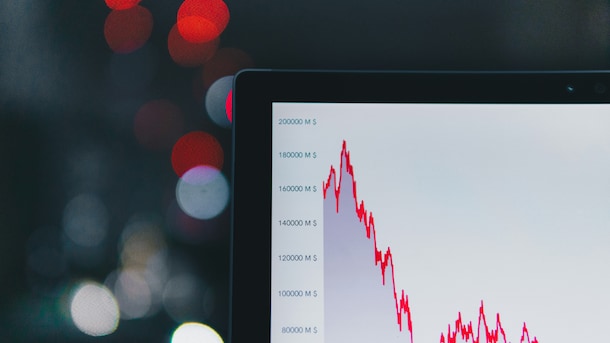
Brent Drops Close to $88 in Well-supplied Oil Market
Singapore: Brent crude fell to just above $88 a barrel on Tuesday in a well-supplied market as expectations faded that OPEC could cut output in an effort to shore up prices.
The global oil benchmark has declined more than 20 per cent from the 2014 high in June as supplies rose and demand slowed in the United States, Europe and China.
Investors expecting a production cut from OPEC to support prices were disappointed as Saudi Arabia and Kuwait played down the possibility of the Organization of the Petroleum Exporting Countries reducing output.
OPEC, which produces about 40 per cent of the world's crude oil, is due to meet in late November to discuss output targets.
"There's been market chatter that Saudi Arabia is unlikely to cut production in the November meeting so that's probably playing on the market," said Ankit Pahuja, a commodity strategist at ANZ in Melbourne.
"Seasonally, it's a weak point. We think there's more scope for recovery in November and December."
Brent crude fell 52 cents a barrel to $88.37 by 0645 GMT after touching $87.74 on Monday, the lowest since December 2010. The November contract expires on Thursday.
US crude dropped 48 cents a barrel to $85.26 after it pared sharp intraday losses on Monday to settle down 8 cents.
"There was probably some positivity that came out of the China data yesterday," Pahuja said. Underlying oil demand in the world's top energy consumer was still "quite strong", he said.
China posted a strong rebound in commodities imports in September, including a 13 per cent rise in crude oil imports compared with August.
Despite the recent price slump, some analysts expect oil markets to recover ahead of peak winter demand in the Northern Hemisphere.
"We see the potential for a positive bounce into year-end, particularly given extremely bearish sentiment and positioning," Morgan Stanley analysts said in a note.
"Even if OPEC is not overly responsive before year-end, which we expect, fundamentals have turned, which should eventually lift crude prices."
Investors are looking ahead to weekly oil inventories data from the United States for price direction.
US commercial crude stocks were forecast to have increased in the week ended October 10, while refined products likely fell, according to a Reuters survey ahead of the inventory reports out of the world's biggest oil consumer.
Industry group the American Petroleum Institute (API) will issue its report on Wednesday, and the US Department of Energy's Energy Information Administration (EIA) will follow with its weekly data on Thursday. The reports have been delayed a day due to Monday's Columbus Day holiday.
Copyright: Thomson Reuters 2014

-
Talking Points This Week: Tech Nerves, FII Buying, And A Faraway Banking Shock

The global markets are not shining this Diwali. The exception in the large markets is, India.
-
Midterm Rally Lasted A Day. The Hard Reality Of A Divided US May Last Two Years | Opinion
Between a contested AI boom, a debt ceiling that arrives in 2027 and a president with every incentive to act alone, the next two years may prove more volatile than the first day's rally suggests.
-
Blue Wave Will Derail the AI Trade but Won't Dismantle the AI Era | Unhedged Position
The Democrats' sweep of the US Congress will see politics collide with economic forces both over the long and short term.
-
It's Time To Take The GST Council's Bet On Trust Global
Payment records can prove India's services exports, and clear, proportionate rules can bring foreign digital sellers into the tax net.
-
Opinion | India at 38: From Innovation Overperformer to Innovation Powerhouse
India now has 453 VC-backed deep science startups, 18 of them late-stage, after 117 percent growth since 2020. Laurus Labs, at USD 9.3 billion, is the most valuable deep science company in any middle-income economy outside China.
-
Navigating Energy Crossroads: S Jaishankar's Call For Diversified Supply Chains At G20 Ministerial Meeting
As geopolitical fault lines continue to test maritime trade routes and commodity flows, Jaishankar's message remains pertinent: true economic resilience requires open markets, protected transit lines, and a genuine commitment to multilateral cooperation rather than coercion.
-
Indians Are Travelling, But Not Every Journey Is A Holiday | The Week In Whys
Pilgrims, patients and working women are the real travellers, and the system hasn't quite caught up with them.
-
Getting To Work Costs Women More | The Reason Why
It is not just about women paying more than men. It is about women paying much more in cities than in villages.
-
AI Bias In Investing Cannot Be Eliminated, But It Can Be Governed
Framing is a particularly important example as identical financial information presented in terms of gains rather than losses can lead an LLM to reach a different assessment.