Board Differences Delay Vadilal Industries’ Audit Report

Two Vadilal Group firms haven't filed statutory auditor reports along with earnings statements, a rare such delay for Indian companies.
Vadilal Industries Ltd., the maker of the namesake ice cream and frozen yogurt, suggested differences between the audit committee and the board of directors led to the delay. They have “not been able to conclude on certain matters and hence the limited review related agenda item has been postponed”, it said in its Dec. 24 exchange filing. Vadilal Enterprises Ltd., the distributor of the group's dairy products, didn't disclose the reason for not submitting the limited auditor review.
As required by law, the audit committees of both boards are dominated by independent directors. While it's not clear what the specific differences are between the board and their committees, it can be said that such impasse over auditor reviews is unusual.
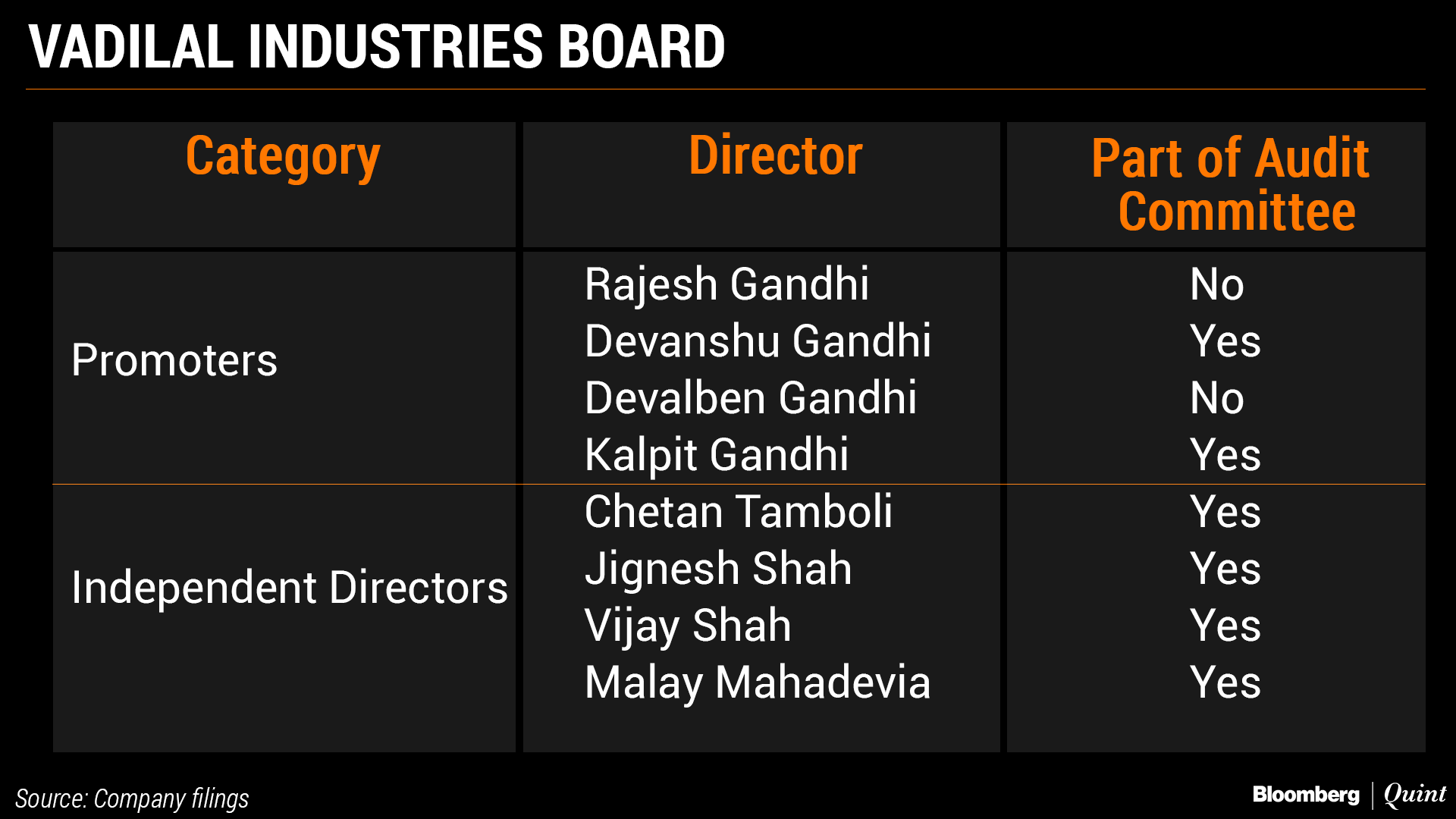
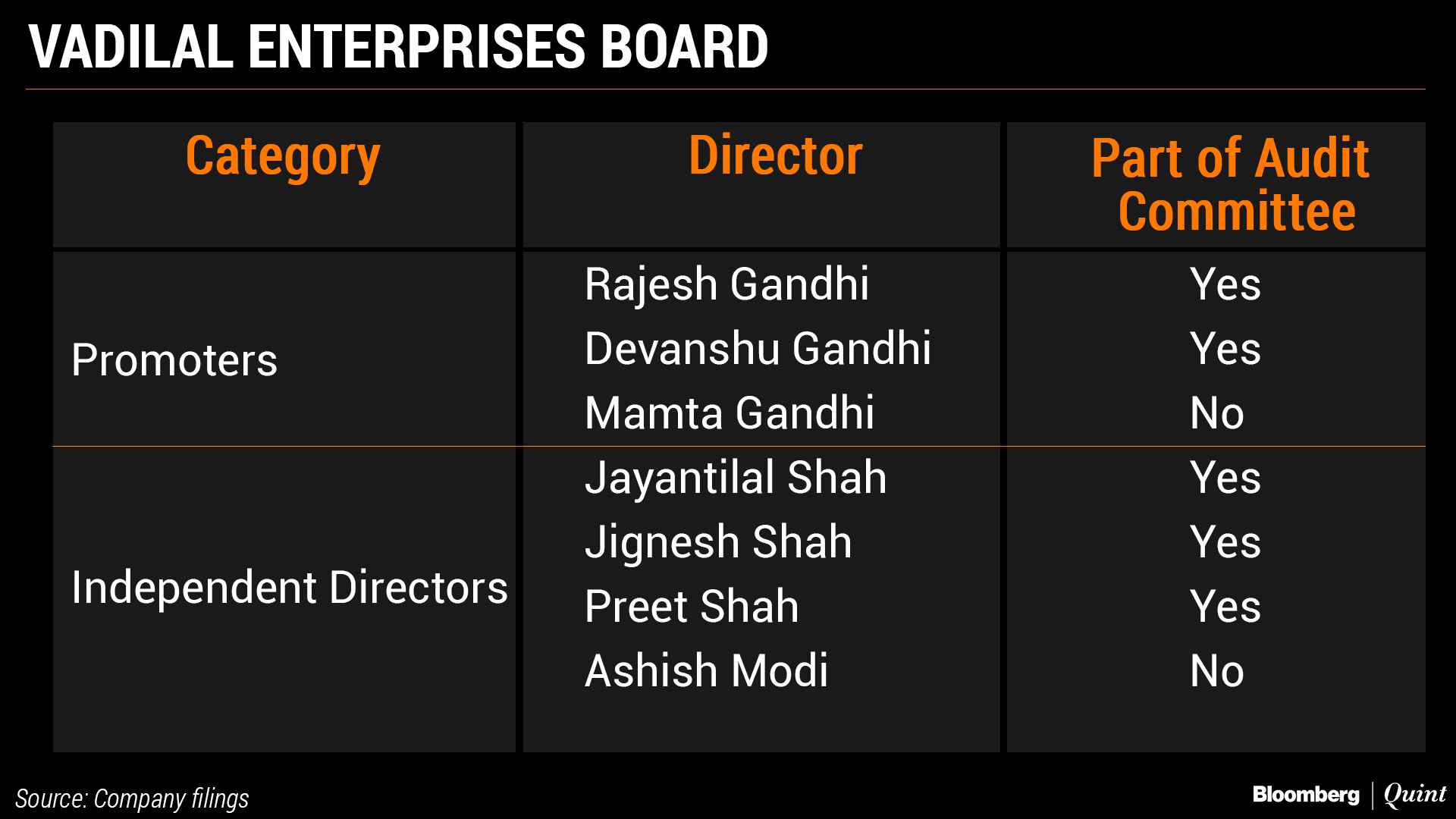
While Vadilal Enterprises is listed on the BSE, Vadilal Industries trades both on the BSE and the NSE. As per regulation 33 of SEBI's listing obligations and disclosure requirements, a company submitting unaudited financial results shall be subjected to a limited review by the statutory auditor, and a report shall be submitted within 45 days from the end of the quarter—the timeframe is relaxed till 60 days for the last quarter of a financial year.
Vadilal Industries and Vadilal Enterprises announced their board meetings to finalise second-quarter earnings on Nov. 2. They later deferred the meetings to Nov. 27 beyond the stipulated deadline of Nov. 15. The two companies finally filed their second-quarter and half-yearly earnings on Nov. 27 but without the auditor's limited review report.
A spokesperson for Deloitte Haskins and Sells LLP, auditor to both the group entities, said in an emailed response that it's “bound by confidentiality obligations and unable to comment on client-specific matters”. Vadilal Enterprises and Vadilal Industries have yet to respond to BloombergQuint's emailed queries.
Potential Red Flags
The notes to accounts of second-quarter earnings of both Vadilal Enterprises and Vadilal Industries raised questions over legitimacy of certain payments. The boards initiated a probe but said the findings won't have any material impact on the financial results.
Vadilal Enterprises and Vadilal Industries made such payments worth Rs 53.39 lakh and Rs 29.99 lakh, respectively.
To put that into perspective, Vadilal Enterprises reported a revenue of Rs 383.29 crore in the first six months ended September. For Vadilal Industries, the number stood at Rs 329.48 crore.
The group's true size is reflected by the revenue of Vadilal Enterprises, the distribution unit. That's because dairy products maker Vadilal Industries, according to its FY18 earnings, generates about 85 percent of its sales from Vadilal Enterprises.
Neither company has offered shareholders any explanation for this unusual situation. Nor is it certain when the limited auditor reviews will be filed.

-
Swiggy vs Eternal: Food Delivery's Two Rivals Are No Longer In The Same Race

Eternal is building a private AI assistant, dark.ai. Swiggy is still working out how to make Instamart pay, with an operating loss of Rs 895 crore in the July-September quarter while Blinkit stayed profitable.
-
Where You Live Shapes How You Get To Work | The Reason Why
Two-wheelers are the most popular way to get to work in India, accounting for nearly 43% of workplace commutes.
-
High US Salaries, No Green Card Certainty: The Financial Calculation Facing Indian H-1B Families
The suspension of PERM processing at eight technology employers does not cancel existing H-1B visas. What it does is force a question many Indian families have been avoiding: is the US salary worth tying your career and family plans to one employer?
-
Unhedged Position: Can India See An Indonesia-Style Time Correction?
The Nifty is trading below levels it first clocked in 2024. Is there, then, as I have suggested in the headline, potential that the current time correction drags on painfully for the next three-five, even ten years?
-
Navigating Friction And Energy Realities: An Analysis Of Marco Rubio's October Visit To India
Occurring at a critical juncture marked by stalled trade negotiations and escalating geopolitical pressures over global energy supplies, the visit offers a profound window into modern US-India relations.
-
India Exports Capital. Why Not Export Trusteeship?
The big question, then, is whether India can build an institution that global borrowers, investors, banks, and lawyers can trust, even without an Indian connection.
-
France's Economy & Politics Are In Crisis | The Reason Why
Let's look at how the French economy and politics evolved under Nicolas Sarkozy, Franois Hollande and Emmanuel Macron.
-
You May Inherit The Business. You Must Earn Its Credibility.
Succession tests the founder's ability to share authority as much as it tests the next generation's readiness to assume it.
-
Signing Deals Is One Thing; Making Them Work Is Another | The Week In Whys
Sometimes, things don't turn out as planned. Indian companies have lost some bids to rivals, some projects won't produce until 2030.
-
FOMC Wall, PERM Suspension, Hospital Stocks | Talking Points This Week
A PERM suspension would directly affect green-card sponsorship rather than H-1B visas, so the near-term earnings impact could remain relatively limited. The key question is whether this marks a new phase in US scrutiny of Indian IT.









