BMC Budget 2025: Free Healthcare, BEST Grant, Tax On Slum Business And More — 10 Key Highlights
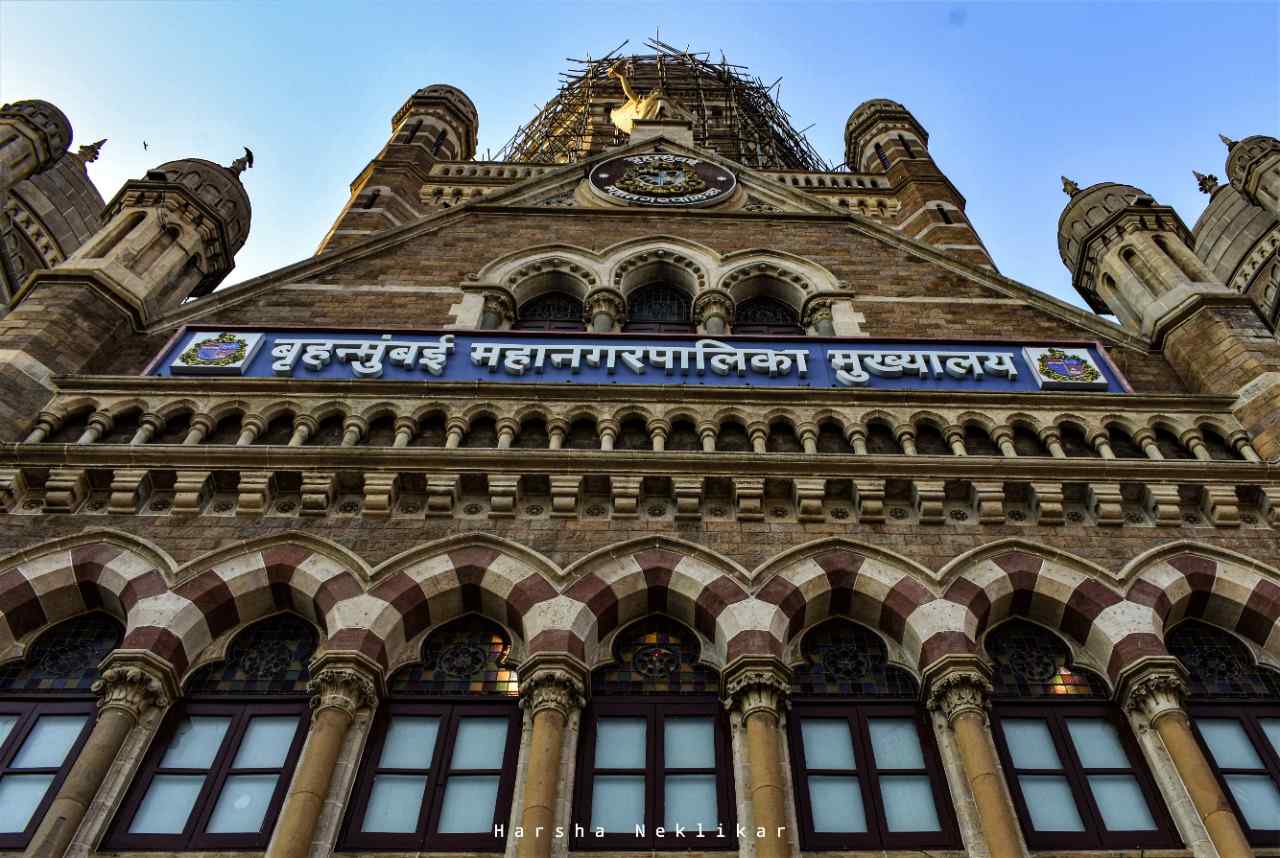
The Brihanmumbai Municipal Corporation, country's wealthiest civic body, presented a Rs 74,427-crore budget for Mumbai's administration for the financial year 2025-26. Here are the 10 key takeaways from the budget:
14% Higher Than Last Year
"The budget estimate for FY 2025-26 is proposed at Rs 74,427.41 crore, which exceeds the budget estimates of 2024-25 i.e. Rs 65,180.79 crore, by 14.19%," the budget document reads.
Expansion Of Free Healthcare
The BMC has proposed to add 25 more 'Aapla Dawakhana' or medical facilities to provide free healthcare under the Hinduhridaysamrat Balasaheb Thackeray – Aapla Dawakhana scheme. So far, the civic body has set up 250 medical facilities, including 33 polyclinics and diagnostics centres under the scheme.
Tax On Slum Business
The BMC has decided to bring Mumbai's slum business under the purview of taxation. An estimated 20% of Mumbai's 2.5 lakh slum units are used as commercial premises in the form of shops, godowns, restaurants or local manufacturing. An estimated Rs 350-crore revenue would be generated from the taxes.
Rs 1,000-Crore Grant For BEST
For the Brihanmumbai Electric Supply and Transport, the public sector undertaking which operates the fleet of public transport buses in Mumbai, a grant of Rs 1,000 crore was proposed in the budget. This comes at a time when the BEST is looking to modernise its fleet, with the rollout of additional electric buses in the near future. Since fiscal 2013, the BMC has supported BEST with a total of Rs 11,304.59 crore in aid.
Transportation And Commercial Hub Proposal
The BMC has proposed to establish a transportation and commercial hub at the Dahisar Check Naka, which is located on the city's arterial Western Express Highway. As part of the plan, the BMC aims to set up a star-category hotel with 131 rooms, 456 bus parking spaces, and 1,424 motor vehicle parking spaces.
Rs 5,100 Crore For Traffic Department
A major slice of the budget rolled out by the BMC has been allocated to the Roads and Traffic Department, which handles the cumbersome task of managing vehicular congestion in the city. A total of Rs 5,100 crore has been allotted.
Education In Focus
BMC's budget focusses on upgrading the infrastructure of schools, with a total of Rs 2,803.77 crore allotted to the education department. The civic body would install 24,170 new desks and 39,178 new benches in its schools, set up a STEM Robotics Laboratory, and will provide tablets to eligible students under the gamified learning programme.
Schemes For Underprivileged
The BMC announced welfare schemes aimed at supporting underprivileged children's education. This includes free distribution of scholastic materials to students studying in the civic body-run schools, with a total provision of Rs 175 crore.
For female students in BMC schools, the municipal body will be issuing fixed deposit certificate a minimum of Rs 1,000 and a maximum of Rs 5,000 based on enrolment for girls students studying Class 1-8. For this, nearly Rs 7.5 crore has been earmarked.
Rs 113-Crore For Mumbai's Environment
Amid concerns over Mumbai's green cover, the BMC has allocated Rs 113 crore to the environment department. The allotment is expected to support the department's initiatives to protect the state's forest areas, and also help in its afforestation programmes.
Advanced Air Quality Forecasting System
The BMC, in tie-up with the Indian Institute of Tropical Meteorology, Pune, has proposed to set up an advanced air quality forecasting system for Mumbai. The system will analyse the local and distant emission sources to track the particulate matter pollution, and will provide warnings up to 72 hours in advance about the potential deterioration in air quality. The early warning can help the civic body to take preventive measures.

-
Navigating Friction And Energy Realities: An Analysis Of Marco Rubio's October Visit To India

Occurring at a critical juncture marked by stalled trade negotiations and escalating geopolitical pressures over global energy supplies, the visit offers a profound window into modern US-India relations.
-
India Exports Capital. Why Not Export Trusteeship?
The big question, then, is whether India can build an institution that global borrowers, investors, banks, and lawyers can trust, even without an Indian connection.
-
France's Economy & Politics Are In Crisis | The Reason Why
Let's look at how the French economy and politics evolved under Nicolas Sarkozy, Franois Hollande and Emmanuel Macron.
-
You May Inherit The Business. You Must Earn Its Credibility.
Succession tests the founder's ability to share authority as much as it tests the next generation's readiness to assume it.
-
Signing Deals Is One Thing; Making Them Work Is Another | The Week In Whys
Sometimes, things don't turn out as planned. Indian companies have lost some bids to rivals, some projects won't produce until 2030.
-
FOMC Wall, PERM Suspension, Hospital Stocks | Talking Points This Week
A PERM suspension would directly affect green-card sponsorship rather than H-1B visas, so the near-term earnings impact could remain relatively limited. The key question is whether this marks a new phase in US scrutiny of Indian IT.
-
Everything, Everywhere, All At Once: Dalal Street's Week To Forget | Joining The Dots
Visa curbs, a Starlink spat and cancer drug caps: what connects this week's shocks for Indian markets
-
India Is Going Abroad For Critical Minerals. But It May Take Years To Pay Off | The Reason Why
Although India's steps are in the right direction, they remain modest compared with India's growing dependence.
-
When Everyone Has AI, What Gives You An Edge?
India's young workforce is entering an uncertain world of work where powerful AI tools are becoming widely accessible. The advantage will belong to those who combine deep expertise with digital fluency, and the distinctly human capabilities that technology cannot manufacture.
-
Wrong Labels, High Pesticide Residues Holding Back Agri Exports | The Reason Why
India needs stronger domestic food-safety and labelling standards, with best practices becoming part of everyday business for farmers, traders and food companies.