Bitcoin Trades In 'Extreme Fear' Zone; Is There A Further Downside Risk?
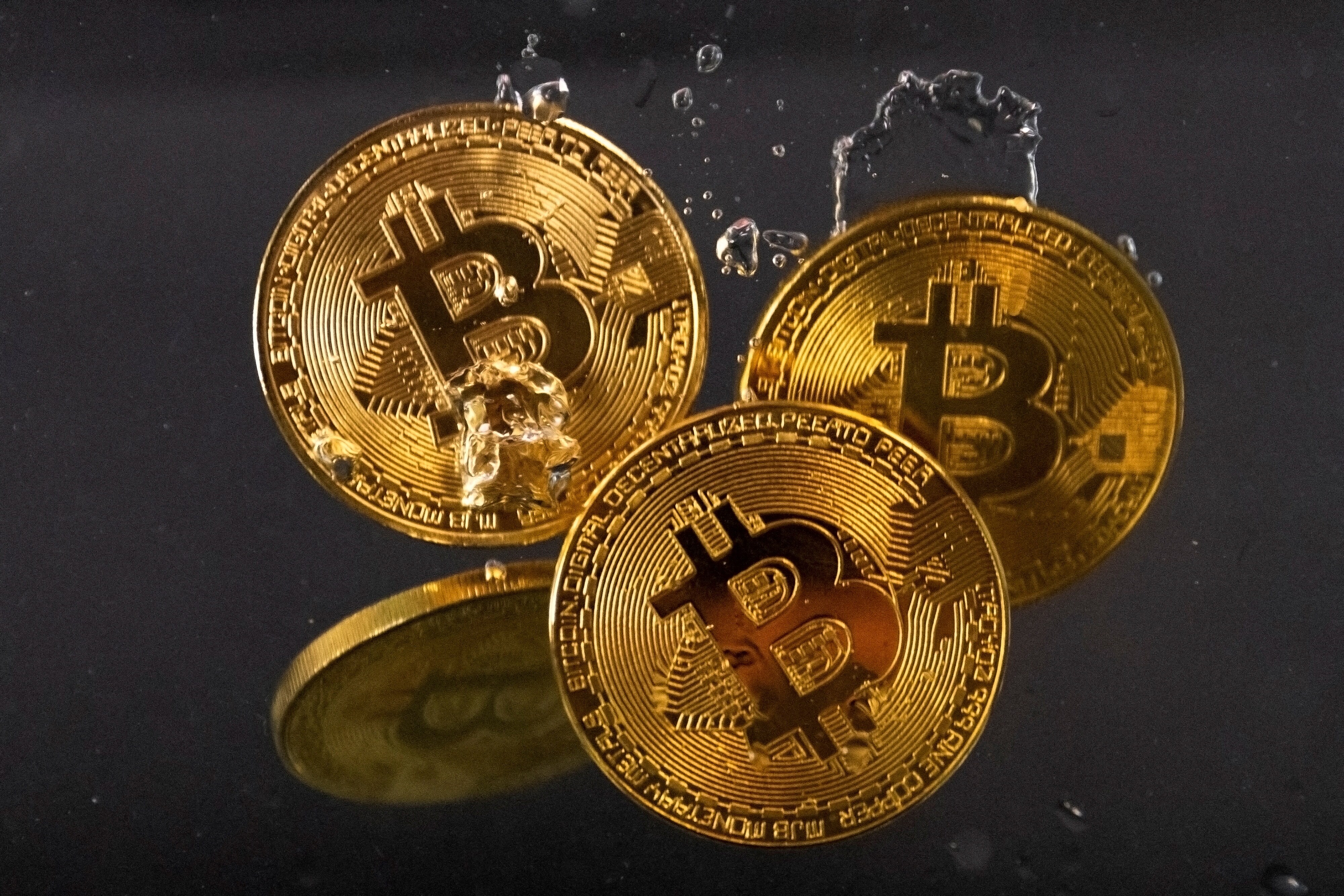
Early on June 12, cryptocurrencies were trading in the red. The global cryptocurrency market worth was $1.13 trillion as of June 11, down 5.09 per cent from the previous day.
The cryptocurrency market volume increased by 6.14 per cent in the last 24 hours to $71.55 billion. Bitcoin, the world's largest and most popular cryptocurrency, was trading at around Rs 23 lakh (about $29,000), with a 47.66 per cent market share.
Notably, the digital coin was down over 35 per cent and was trading well below its all-time high of $69,000 set in November 2021.
The Bitcoin Fear & Greed Index was in the "extreme fear" zone, reversing a recent small gain over the past few days.
Going by the 'historical values', Bitcoin has been in the 'extreme fear' zone for quite some time. The bearish mood has been a recurring issue recently, keeping some cryptocurrency investors on the fence.
Technical indicators, like stocks, showed a short-term decline in Bitcoin's price motion, according to CoinDesk, which said that Katie Stockton, the managing partner at Fairlead Strategies, an independent research provider, had written in an email that in the case of Bitcoin, the likelihood of a retest of long-term support around $27,200 has increased, with intermediate and long-term momentum gauges pointing to more downside.
The entire volume in DeFi was $6.08 billion, accounting for 8.50 per cent of the overall 24-hour volume in the cryptocurrency market. The overall volume of all stable coins was $60.71 billion, accounting for 84.84 per cent of the total 24-hour volume.
Last week, Bitcoin fell below the $33,000 resistance mark, indicating a loss of upward momentum. This reduces the chances of a sustained relief rally.
The coin has been essentially flat in a turbulent trading range for the previous week. Initial support, according to CoinDesk, is seen at $25,000, which is near the May 12 price low.
Meanwhile, in the lack of a centralised regulatory authority, Chief Economic Adviser V Anantha Nageswaran recently said that cryptocurrencies were similar to "a world of Caribbean pirates" and were yet to pass the test of a fiat currency.
He said the government was doing a balancing act, trying to guarantee that the previous four years' gains in GDP, inflation, and rupee stability were not squandered.
He suggested that the Terra-Luna cryptocurrency's recent catastrophic meltdown was a "very important cautionary tale".

-
India Exports Capital. Why Not Export Trusteeship?

The big question, then, is whether India can build an institution that global borrowers, investors, banks, and lawyers can trust, even without an Indian connection.
-
France's Economy & Politics Are In Crisis | The Reason Why
Let's look at how the French economy and politics evolved under Nicolas Sarkozy, Franois Hollande and Emmanuel Macron.
-
You May Inherit The Business. You Must Earn Its Credibility.
Succession tests the founder's ability to share authority as much as it tests the next generation's readiness to assume it.
-
Signing Deals Is One Thing; Making Them Work Is Another | The Week In Whys
Sometimes, things don't turn out as planned. Indian companies have lost some bids to rivals, some projects won't produce until 2030.
-
FOMC Wall, PERM Suspension, Hospital Stocks | Talking Points This Week
A PERM suspension would directly affect green-card sponsorship rather than H-1B visas, so the near-term earnings impact could remain relatively limited. The key question is whether this marks a new phase in US scrutiny of Indian IT.
-
Everything, Everywhere, All At Once: Dalal Street's Week To Forget | Joining The Dots
Visa curbs, a Starlink spat and cancer drug caps: what connects this week's shocks for Indian markets
-
India Is Going Abroad For Critical Minerals. But It May Take Years To Pay Off | The Reason Why
Although India's steps are in the right direction, they remain modest compared with India's growing dependence.
-
When Everyone Has AI, What Gives You An Edge?
India's young workforce is entering an uncertain world of work where powerful AI tools are becoming widely accessible. The advantage will belong to those who combine deep expertise with digital fluency, and the distinctly human capabilities that technology cannot manufacture.
-
Wrong Labels, High Pesticide Residues Holding Back Agri Exports | The Reason Why
India needs stronger domestic food-safety and labelling standards, with best practices becoming part of everyday business for farmers, traders and food companies.
-
India Is Easy To Enter, Harder To Attract | The Week In Whys
The question is no longer just whether India can attract companies and capital. It is how much value they create here, how deeply they invest, and whether India remains relatively attractive when they have plenty of other options.










