Zero Sales: Indian Carmakers Have a Month Like Never Before
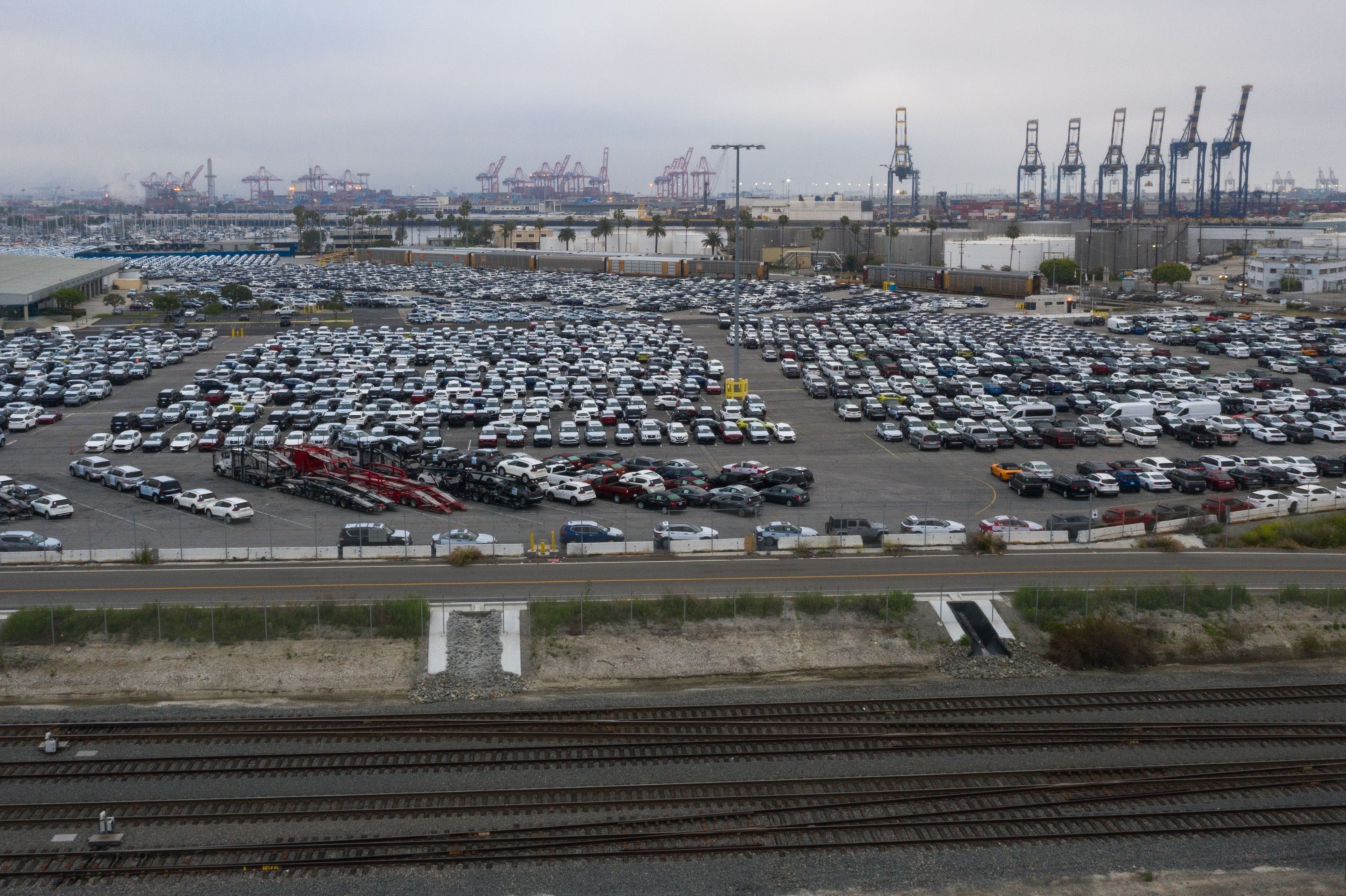
(Bloomberg) -- India's top carmakers couldn't ship a single vehicle to dealers in April as they shut production after Prime Minister Narendra Modi announced the world's biggest stay-at-home restrictions to stop the coronavirus from spreading.
Maruti Suzuki India Ltd., which produces about half the cars on India's roads, and Mahindra & Mahindra Ltd., the nation's biggest SUV maker, recorded no sales in the domestic market last month. Hyundai Motors India Ltd. too couldn't sell a single unit last month. Maruti sold more than 120,000 cars a month in the year ended March 31.
“There's always a first time for everything,” said Maruti's Chairman R.C. Bhargava in a phone interview. “I can't say what will happen in May. Whether we will start production or not is not possible to forecast.”
The total lockdown is hurting local vehicle makers, who sold more than 2.8 million cars, SUVs and vans each month in the year ended March, more than peers in other countries. In China, while sales plunged in February, the peak of the pandemic in that nation, companies managed to sell 224,000 cars. Indian carmakers were struggling even before the lockdown. The pandemic and the ensuing stay-at-home orders on March 25 have since disrupted supply chains.
Outlook Bleak
With the economy set for a rare contraction, the outlook for the car manufacturers remains bleak. They are losing 23 billion rupees ($306 million) each day factories remain closed, according to the Society of Indian Automobile Manufacturers. The lobby group has written to the government seeking help.
“Considering the fragile health of the automotive industry, as also its economic contribution, we are writing to request you to kindly allow the entire automotive value chain for opening up and re-commencing operations,” car and auto part makers said in a joint letter to the Ministry of Home Affairs on Friday.
The ministry extended the stay-at-home restrictions for most parts of the country for two weeks starting May 4.
Bhargava in a recent interview to Bloomberg had said he expects a car-sales boom after the lockdown is lifted as customers appear more motivated to buy than before the pandemic because they see personal vehicles as safer than public transport.
Although there were no sales in the local market last month, Maruti exported 632 units after a port in the western state of Gujarat resumed operations, while Mahindra sold 733 vehicles in international markets. Hyundai shipped 1341 units in April. These are wholesale numbers as Indian carmakers do not announce retail figures.
©2020 Bloomberg L.P.

-
Ten Things I Learnt This Samvat

Patience can be a trap. Cheap stocks can stay cheap. Leverage can wipe you out. What did Samvat 2082 teach us? Niraj Shah writes on 10 lessons from the year gone by.
-
Talking Points This Week: Tech Nerves, FII Buying, And A Faraway Banking Shock
The global markets are not shining this Diwali. The exception in the large markets is, India.
-
Midterm Rally Lasted A Day. The Hard Reality Of A Divided US May Last Two Years | Opinion
Between a contested AI boom, a debt ceiling that arrives in 2027 and a president with every incentive to act alone, the next two years may prove more volatile than the first day's rally suggests.
-
Blue Wave Will Derail the AI Trade but Won't Dismantle the AI Era | Unhedged Position
The Democrats' sweep of the US Congress will see politics collide with economic forces both over the long and short term.
-
It's Time To Take The GST Council's Bet On Trust Global
Payment records can prove India's services exports, and clear, proportionate rules can bring foreign digital sellers into the tax net.
-
Opinion | India at 38: From Innovation Overperformer to Innovation Powerhouse
India now has 453 VC-backed deep science startups, 18 of them late-stage, after 117 percent growth since 2020. Laurus Labs, at USD 9.3 billion, is the most valuable deep science company in any middle-income economy outside China.
-
Navigating Energy Crossroads: S Jaishankar's Call For Diversified Supply Chains At G20 Ministerial Meeting
As geopolitical fault lines continue to test maritime trade routes and commodity flows, Jaishankar's message remains pertinent: true economic resilience requires open markets, protected transit lines, and a genuine commitment to multilateral cooperation rather than coercion.
-
Indians Are Travelling, But Not Every Journey Is A Holiday | The Week In Whys
Pilgrims, patients and working women are the real travellers, and the system hasn't quite caught up with them.
-
Getting To Work Costs Women More | The Reason Why
It is not just about women paying more than men. It is about women paying much more in cities than in villages.









