Biden Awards Medal Of Freedom To Biles, Rapinoe, Late Apple Founder Jobs
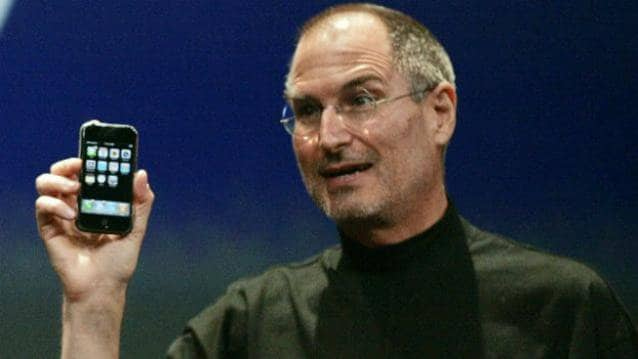
(Bloomberg) -- President Joe Biden awarded the Medal of Freedom to two politically active female athletes -- soccer star Megan Rapinoe and gymnast Simone Biles -- and to the late Apple Inc. co-founder Steve Jobs as part of his first slate of recipients of the nation's highest civilian honor.
At 25, Biles is the youngest-ever medal recipient, while Rapinoe is the first soccer player to receive the award, Biden said at a White House ceremony Thursday.
“Beyond the World Cup titles and Olympic medals, Megan is a champion for the essential American truth that everyone is entitled to be treated with dignity and respect,” Biden said of Rapinoe, who has campaigned for equal pay for women athletes and on behalf of LGBTQ+ causes.
Other recipients included actor Denzel Washington; Gabrielle Giffords, the Arizona congresswoman who survived a shooting during a 2011 constituent event and subsequently founded a nonprofit promoting stronger gun laws; and Biden's longtime Senate colleague John McCain, who -- like Jobs -- received the award posthumously.
Giffords, Biden said, is “proof that we'll not grow numb to the epidemic of gun violence in this nation, proof that we can channel the pain and sorrow we see too often in America.”
President John F. Kennedy established the award to honor people who contribute significantly to American culture or the national interest through public or private actions. Former President Donald Trump's award winners included athletes like Babe Ruth and Tiger Woods, as well as political allies such as Representatives Jim Jordan and Devin Nunes and talk show host Rush Limbaugh.
As vice president, Biden himself was President Barack Obama's final Medal of Freedom recipient. Obama awarded a record 123 medals.
Washington missed Thursday's ceremony because he's contracted Covid-19.
More stories like this are available on bloomberg.com
©2022 Bloomberg L.P.

-
A New Samvat Wishlist: Inclusive Prosperity And Human Development

India has strengthened its economic foundations through infrastructure, digital access and enterprise. Its next growth chapter must deepen productivity, create better livelihoods and widen participation in prosperity.
-
Love, Sex Aur Dhokha: The Audacious Plot To Spy On Jensen Huang
A Taipei dinner, a Singapore chip buyer and a suspected Chinese asset: inside the alleged spy operation that got close to NVIDIA's Jensen Huang.
-
Ten Things I Learnt This Samvat
Patience can be a trap. Cheap stocks can stay cheap. Leverage can wipe you out. What did Samvat 2082 teach us? Niraj Shah writes on 10 lessons from the year gone by.
-
Talking Points This Week: Tech Nerves, FII Buying, And A Faraway Banking Shock
The global markets are not shining this Diwali. The exception in the large markets is, India.
-
Midterm Rally Lasted A Day. The Hard Reality Of A Divided US May Last Two Years | Opinion
Between a contested AI boom, a debt ceiling that arrives in 2027 and a president with every incentive to act alone, the next two years may prove more volatile than the first day's rally suggests.
-
Blue Wave Will Derail the AI Trade but Won't Dismantle the AI Era | Unhedged Position
The Democrats' sweep of the US Congress will see politics collide with economic forces both over the long and short term.
-
It's Time To Take The GST Council's Bet On Trust Global
Payment records can prove India's services exports, and clear, proportionate rules can bring foreign digital sellers into the tax net.
-
Opinion | India at 38: From Innovation Overperformer to Innovation Powerhouse
India now has 453 VC-backed deep science startups, 18 of them late-stage, after 117 percent growth since 2020. Laurus Labs, at USD 9.3 billion, is the most valuable deep science company in any middle-income economy outside China.
-
Navigating Energy Crossroads: S Jaishankar's Call For Diversified Supply Chains At G20 Ministerial Meeting
As geopolitical fault lines continue to test maritime trade routes and commodity flows, Jaishankar's message remains pertinent: true economic resilience requires open markets, protected transit lines, and a genuine commitment to multilateral cooperation rather than coercion.









