Banks Advised To Step Up Allocation Of Cash For Rural Areas
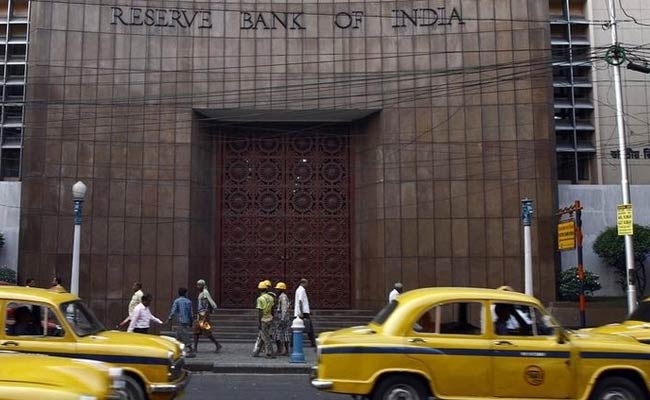
The Reserve Bank of India on Tuesday advised banks to step up issuance of fresh bank notes to their rural branches, in a move aimed at improving supply of new bills in the rural economy.
The central bank said some steps have already been initiated after observing that banknotes being supplied to the rural areas "are not commensurate with the requirements of the rural population".
"Banks should advise their currency chests to step up issuance of fresh notes to rural branches of RRBs (Regional Rural Banks), DCCBs (District Central Co-operative Banks) and commercial banks, White Label ATMs in rural areas and post offices in rural areas on priority basis which are considered main rural channels of distribution," the RBI said in a circular dated January 3, 2017.
The RBI advised the banks maintaining currency chests to ensure that at least 40 per cent banknotes are supplied to the rural areas and to mitigate the issue in a more enduring manner.
Chests should issue bank notes in denominations of Rs 500 and below, the RBI notification said.
The directive came just a couple of days after Prime Minister Narendra Modi in his address to the nation on the eve of new year exhorted banks to make efforts to restore normalcy as fast as possible and should focus on rural areas.
The government in a surprise move on November 8 last year announced withdrawal of high value notes, stepping up its fight against black money.
The 50-day exercise ended on December 30, but the cash supply situation is yet to ease in certain pockets. As a result, the government has not lifted the withdrawal ceiling of Rs 24,000 per week.

-
High US Salaries, No Green Card Certainty: The Financial Calculation Facing Indian H-1B Families

The suspension of PERM processing at eight technology employers does not cancel existing H-1B visas. What it does is force a question many Indian families have been avoiding: is the US salary worth tying your career and family plans to one employer?
-
Swiggy vs Eternal: Food Delivery's Two Rivals Are No Longer In The Same Race
Eternal is building a private AI assistant, dark.ai. Swiggy is still working out how to make Instamart pay, with an operating loss of Rs 895 crore in the July-September quarter while Blinkit stayed profitable.
-
Where You Live Shapes How You Get To Work | The Reason Why
Two-wheelers are the most popular way to get to work in India, accounting for nearly 43% of workplace commutes.
-
Unhedged Position: Can India See An Indonesia-Style Time Correction?
The Nifty is trading below levels it first clocked in 2024. Is there, then, as I have suggested in the headline, potential that the current time correction drags on painfully for the next three-five, even ten years?
-
Navigating Friction And Energy Realities: An Analysis Of Marco Rubio's October Visit To India
Occurring at a critical juncture marked by stalled trade negotiations and escalating geopolitical pressures over global energy supplies, the visit offers a profound window into modern US-India relations.
-
India Exports Capital. Why Not Export Trusteeship?
The big question, then, is whether India can build an institution that global borrowers, investors, banks, and lawyers can trust, even without an Indian connection.
-
France's Economy & Politics Are In Crisis | The Reason Why
Let's look at how the French economy and politics evolved under Nicolas Sarkozy, Franois Hollande and Emmanuel Macron.
-
You May Inherit The Business. You Must Earn Its Credibility.
Succession tests the founder's ability to share authority as much as it tests the next generation's readiness to assume it.
-
Signing Deals Is One Thing; Making Them Work Is Another | The Week In Whys
Sometimes, things don't turn out as planned. Indian companies have lost some bids to rivals, some projects won't produce until 2030.
-
FOMC Wall, PERM Suspension, Hospital Stocks | Talking Points This Week
A PERM suspension would directly affect green-card sponsorship rather than H-1B visas, so the near-term earnings impact could remain relatively limited. The key question is whether this marks a new phase in US scrutiny of Indian IT.









