Bank Pain Is Just Getting Started, Ex-Fed President Kaplan Says
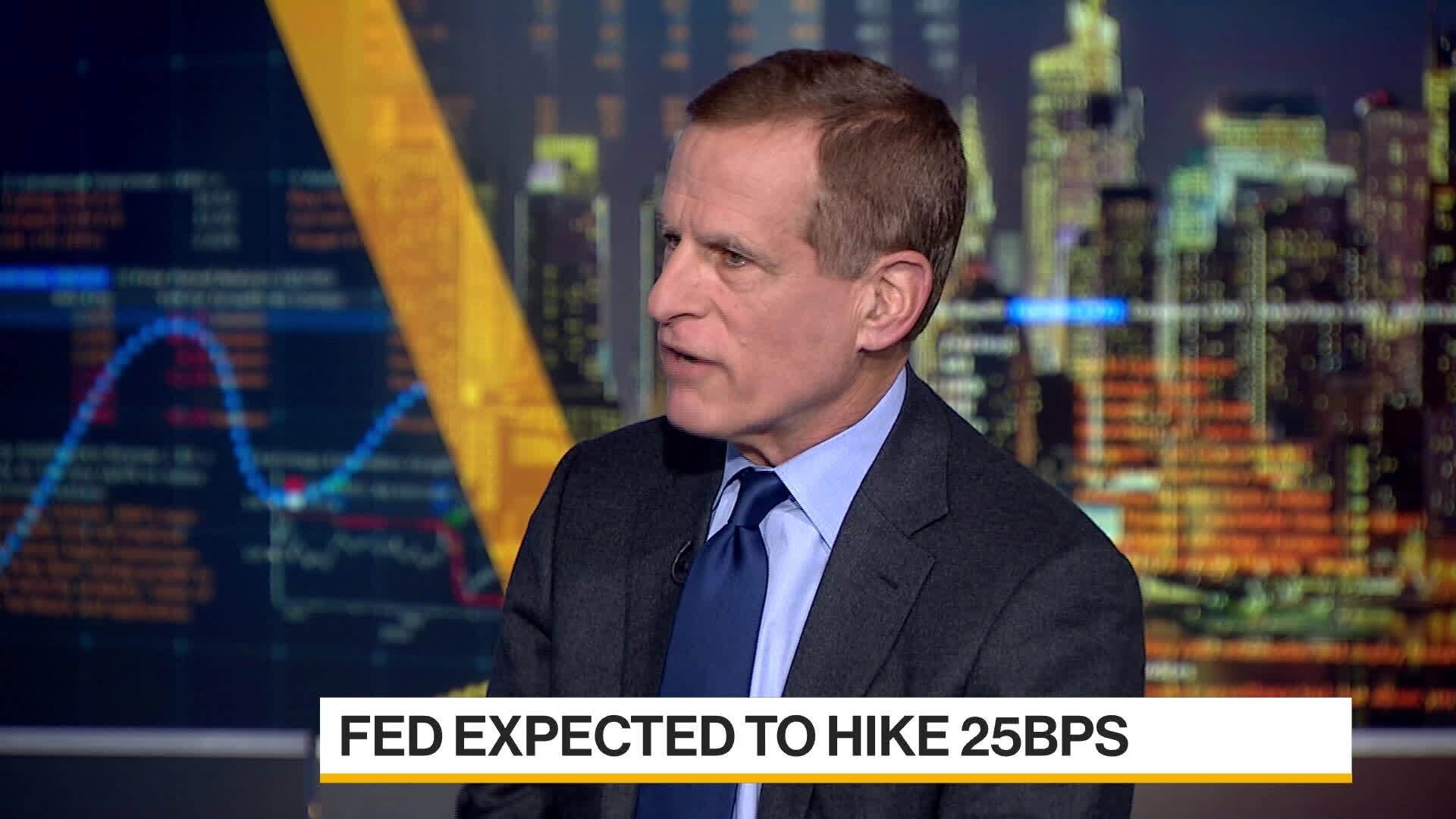
(Bloomberg) -- The US regional banking crisis is far from over and the Federal Reserve should pause its rate hike campaign, according to former Federal Reserve Bank of Dallas President Robert Kaplan.
“I'd prefer to do what's called the hawkish pause, not raise but signal that we are in a tightening stance, because I actually think the banking situation may well be more serious than we currently understand,” Kaplan, whose career has also included time as a senior executive at Goldman Sachs Group Inc., said in a Bloomberg Television interview.
Kaplan went on to say that bank equities have been marked down solely because of their over-investment in US Treasuries, while the credit phase, which is “normally more serious,” is yet to unfold.

Just a day after Wall Street breathed a sigh of relief with the rescue of First Republic Bank, a drop in US regional lenders fueled renewed concern about financial stability. The S&P 500 fell 1.2% Tuesday in New York as US regional lenders PacWest Bancorp and Western Alliance Bancorp both tumbled at least 15%, on the eve of the US central bank's decision.
Swap traders estimate that the Fed will raise borrowing prices by 25 basis points later Wednesday, raising the key rate to its highest level since 2007. Market pricing also suggests that the increase will represent the apex of the tightening cycle before slower growth forces the Fed to decrease rates later this year.
Read more: Fed Ready to Pause With One Last Hike: Decision-Day Guide
“It is more important to be able to sustain the current rate for an extended period of time, longer than the market thinks, than to get another 25-50 basis points and risk having to cut again. I think that will be very troubling,” said Kaplan, who left the Fed in 2021 after disclosures about his trading activity that drew criticism for potential conflicts of interest.
To combat inflation, the US need fiscal restraints and actions outside the authority of the Federal Reserve, “so I will pause here,” he added.
--With assistance from Kathleen Hays, Shery Ahn and Haidi Lun.
More stories like this are available on bloomberg.com
©2023 Bloomberg L.P.

-
Ten Things I Learnt This Samvat

Patience can be a trap. Cheap stocks can stay cheap. Leverage can wipe you out. What did Samvat 2082 teach us? Niraj Shah writes on 10 lessons from the year gone by.
-
Talking Points This Week: Tech Nerves, FII Buying, And A Faraway Banking Shock
The global markets are not shining this Diwali. The exception in the large markets is, India.
-
Midterm Rally Lasted A Day. The Hard Reality Of A Divided US May Last Two Years | Opinion
Between a contested AI boom, a debt ceiling that arrives in 2027 and a president with every incentive to act alone, the next two years may prove more volatile than the first day's rally suggests.
-
Blue Wave Will Derail the AI Trade but Won't Dismantle the AI Era | Unhedged Position
The Democrats' sweep of the US Congress will see politics collide with economic forces both over the long and short term.
-
It's Time To Take The GST Council's Bet On Trust Global
Payment records can prove India's services exports, and clear, proportionate rules can bring foreign digital sellers into the tax net.
-
Opinion | India at 38: From Innovation Overperformer to Innovation Powerhouse
India now has 453 VC-backed deep science startups, 18 of them late-stage, after 117 percent growth since 2020. Laurus Labs, at USD 9.3 billion, is the most valuable deep science company in any middle-income economy outside China.
-
Navigating Energy Crossroads: S Jaishankar's Call For Diversified Supply Chains At G20 Ministerial Meeting
As geopolitical fault lines continue to test maritime trade routes and commodity flows, Jaishankar's message remains pertinent: true economic resilience requires open markets, protected transit lines, and a genuine commitment to multilateral cooperation rather than coercion.
-
Indians Are Travelling, But Not Every Journey Is A Holiday | The Week In Whys
Pilgrims, patients and working women are the real travellers, and the system hasn't quite caught up with them.
-
Getting To Work Costs Women More | The Reason Why
It is not just about women paying more than men. It is about women paying much more in cities than in villages.









