Bank Of England Sells £750 Million Of Bonds In First QT Auction
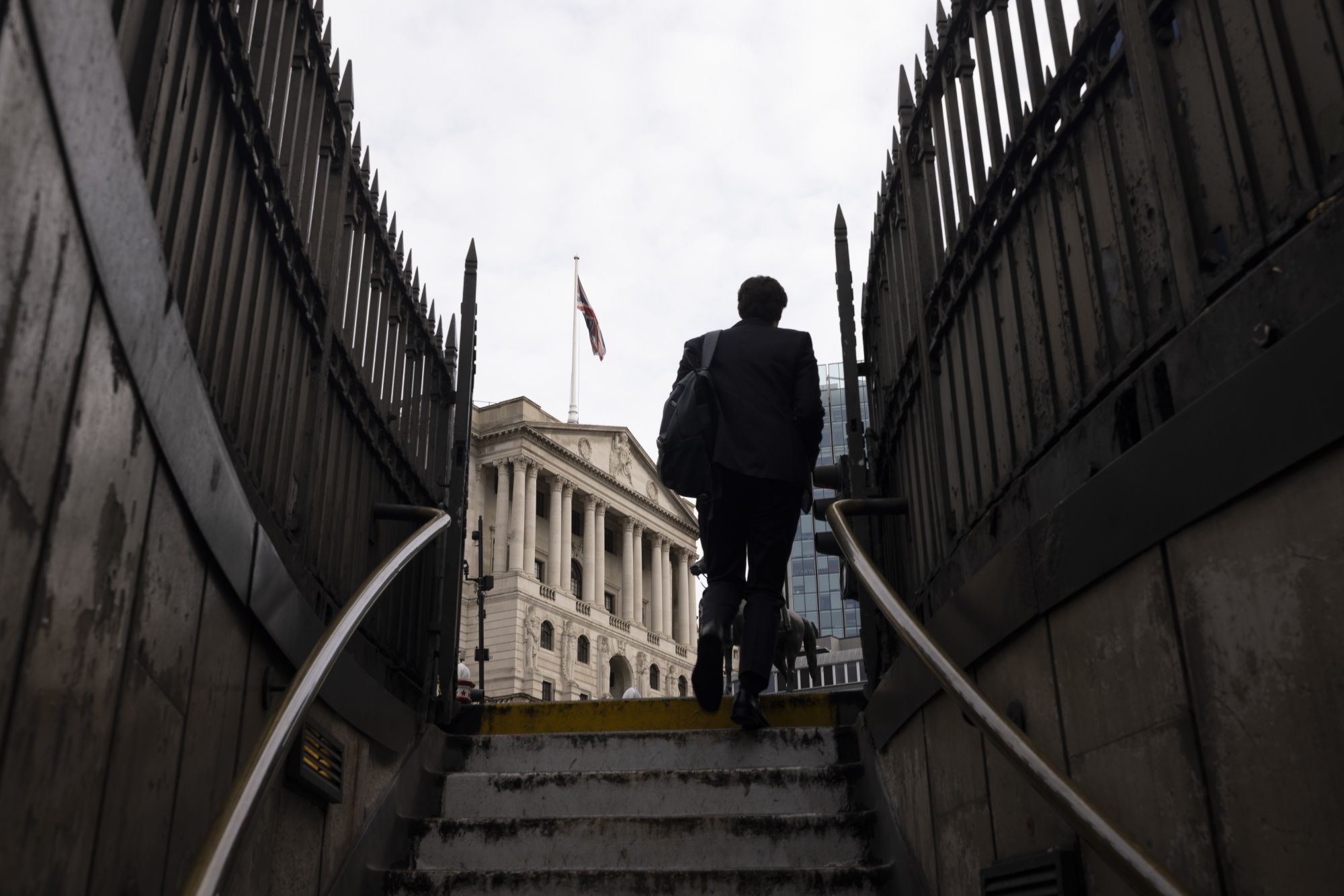
(Bloomberg) -- The Bank of England sold £750 million ($860 million) worth of UK government bonds from its quantitative-easing portfolio for the first time on Tuesday, as the once-largest buyer of gilts looks to trim its mammoth holdings.
The central bank said it received £2.44 billion of bids for the various short-maturity gilts it put up for sale, a bid to cover ratio of 3.26. The bonds are from the BOE's asset-purchase facility, which accumulated close to £900 billion in government debt at its peak last December.
The move is aimed at reversing the QE program that helped prop up the economy through the global financial crisis and the pandemic. Under the program, the BOE bought bonds in financial markets to push interest rates to near zero, hoping that easier money would give investors confidence and help foster growth.
While QE kept a lid on market interest rates, Governor Andrew Bailey hopes that its reverse, dubbed quantitative tightening, can run in the background and leave the focus on the BOE's benchmark lending rate as the main tool of managing monetary policy.
The impact on gilts was limited. UK five-year yields remained lower after the auction results, trading around 3.55%.
“With short maturity bonds holding up well versus their long-end peers, “the sales do not appear to have experienced many hiccups,” said Pooja Kumra, a rates strategist at Toronto-Dominion Bank.
Read more: BOE to Take Historic Step in Unwinding £838 Billion Stimulus
Excess Supply
The BOE started paring back its government bond holdings in February when it agreed to allow maturing debt to roll off the balance sheet instead of being replaced. While the US Federal Reserve and European Central Bank also have QE programs, neither have started active sales yet.
The experiment comes at a delicate moment for the Treasury and BOE. Once the BOE's planned sales are added to the government's financing needs, investors will have to absorb the largest supply of UK bonds in history, according to the nation's debt chief. Only weeks ago the central bank was buying bonds under its financial-stability mandate, with those securities held in a separate portfolio from its main gilt fund.
“The risk that the BOE faces is that QT is beginning at a time when there is going to be an increase in supply given the fiscal measures that have been announced,” Imogen Bachra, head of UK rates strategy at NatWest Markets, told Bloomberg Television.
The BOE's £750 million of sales Tuesday will wipe a larger amount off its balance sheet. This is due to the difference between between the nominal value of the bonds and the price at which the BOE sold them. Selling at a lower price will also crystallize losses for the government, which is financially responsible for the portfolio.
Read more: UK Treasury to Transfer £11 Billion to BOE to Cover QE Losses
The BOE is hoping to reduce its holdings by £80 billion in the next year. That will include about £35 billion of redemptions, leaving about £45 billion of reduction via sales. At current prices, that will mean active sales of less than £40 billion, with the government making up the rest of the shortfall.
--With assistance from , and .
(Updates with prices in second paragraph, details on BOE transactions from penultimate paragraph. Adds analysts comments throughout.)
More stories like this are available on bloomberg.com
©2022 Bloomberg L.P.

-
Opinion | India at 38: From Innovation Overperformer to Innovation Powerhouse

India now has 453 VC-backed deep science startups, 18 of them late-stage, after 117 percent growth since 2020. Laurus Labs, at USD 9.3 billion, is the most valuable deep science company in any middle-income economy outside China.
-
Navigating Energy Crossroads: S Jaishankar's Call For Diversified Supply Chains At G20 Ministerial Meeting
As geopolitical fault lines continue to test maritime trade routes and commodity flows, Jaishankar's message remains pertinent: true economic resilience requires open markets, protected transit lines, and a genuine commitment to multilateral cooperation rather than coercion.
-
Indians Are Travelling, But Not Every Journey Is A Holiday | The Week In Whys
Pilgrims, patients and working women are the real travellers, and the system hasn't quite caught up with them.
-
Getting To Work Costs Women More | The Reason Why
It is not just about women paying more than men. It is about women paying much more in cities than in villages.
-
AI Bias In Investing Cannot Be Eliminated, But It Can Be Governed
Framing is a particularly important example as identical financial information presented in terms of gains rather than losses can lead an LLM to reach a different assessment.
-
Joining The Dots | Dark Skies, Steady Diya: Why Hope Holds This Diwali
With war, a weak rupee and foreign outflows weighing on sentiment, policymakers at the NDTV World Summit and market veterans at NDTV Profit Ignite: Diwali Edition offered the same advice: stay invested and filter out the noise.
-
The Curious Case of Equitas Small Finance Bank And A CEO Who Quit For Stock
PN Vasudevan believes persistent investor concerns over a perceived conflict of interest had become a governance overhang on Equitas Small Finance Bank's stock, even as the lender improved profitability and asset quality.
-
Talking Points This Week: AI Cash Burn, A Tiger Comeback And An India That Still Finds Its Own Path
India is not immune to higher oil or tighter global liquidity, yet its earnings base is broader, its domestic policy levers are still available.
-
Foreign Investors Own Half Of HDFC Bank and ICICI Bank. An LTCG Cut Could Matter Most Here
Foreign portfolio investors have US$115 billion parked in HDFC Bank, ICICI Bank. If the government cuts long-term capital gains tax, Jefferies says returning foreign money could land here first.










