Asia’s Manufacturing Slump Worsens as China Curbs Demand
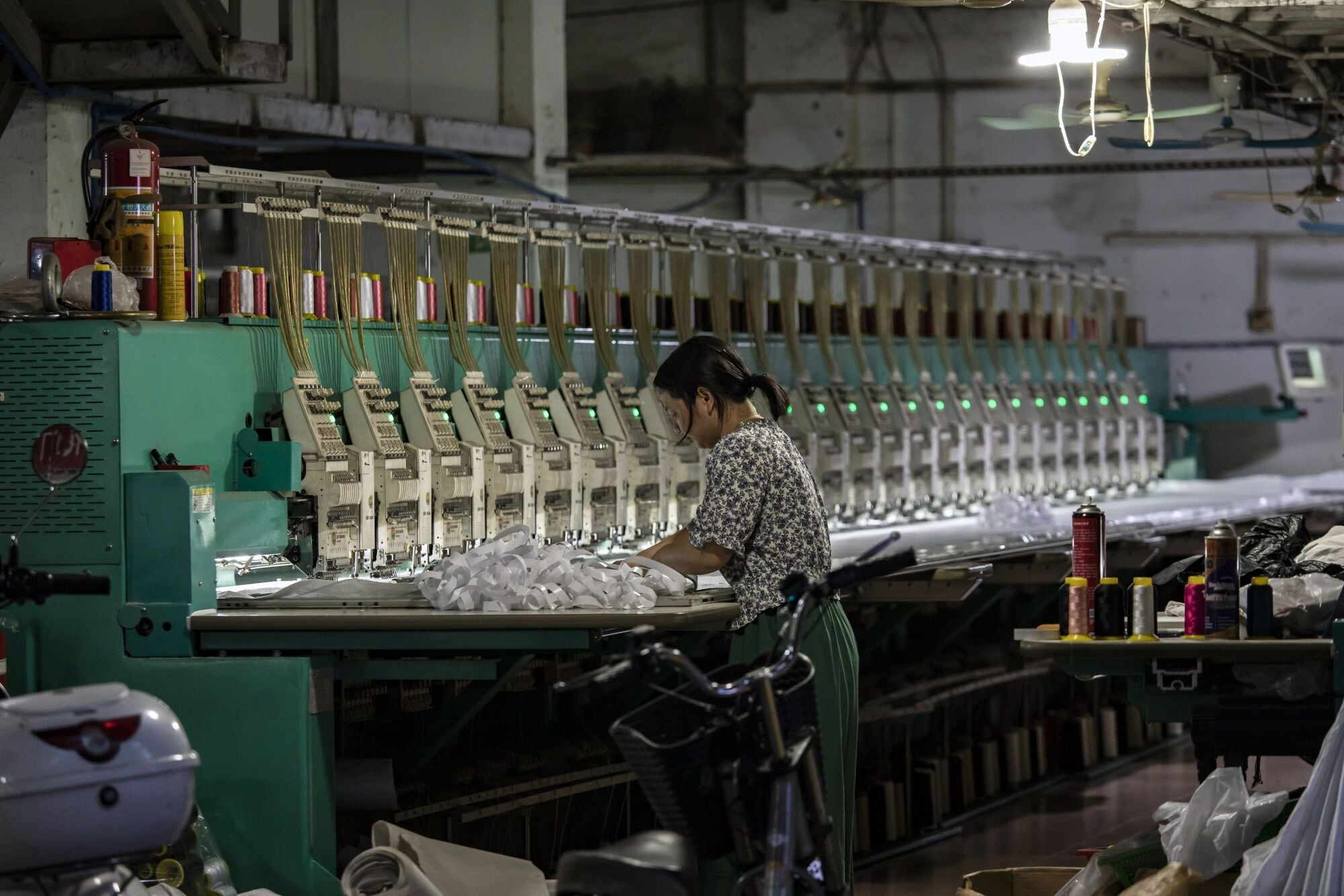
(Bloomberg) -- Manufacturing activity in Asia's major export powerhouses slumped further in August as weak demand persisted in the region's key trade markets, particularly in China.
Factories in North Asia experienced weaker new orders, output and export sales, according to manufacturing purchasing managers' surveys published Friday by S&P Global and au Jibun Bank.
The purchasing managers' index for trade bellwether Taiwan was little changed at a subdued level of 44.3 last month from 44.1 in July, while South Korea's gauge slumped to 48.9 from 49.4 during the same period. Seoul reported a similarly gloomy reading on industrial production on Thursday, showing a bigger-than-expected drop in July, marking its longest stretch of output decline yet.

Japan's PMI was unchanged at 49.6, below the 50 mark that separates expansion from contraction.
Southeast Asia, which until recently was a bright spot, showed the weak sentiment was rubbing off on factories in the region. The Philippines and Thailand saw their gauges slip into the red for the first time since 2021, pulling back on new orders amid disappointing demand. Malaysia's reading was unchanged at 47.8, while Indonesia was an outlier, with a region's best 53.9.
The latest data dashes hopes of an easy turnaround for the region despite increasing signs of a soft landing in the US. The stubborn weakness of goods trade is dampened by the prospect of high borrowing costs in the US and Europe.
Closer to home, China's economic slowdown is curbing demand for exports in the region. Many Asian economies count China as their biggest trading partner.
China's manufacturing activity fell for a fifth consecutive month in August, data showed Thursday. However, pickups in new orders and output provided hope the worst of a factory slump dragging on the nation's economy may be ending.
The headwinds are picking up in the region. Japan grappled with higher raw material prices and labor costs, while South Korea saw a return of shipping delays and semiconductor shortages, S&P Global said. In Taiwan, companies grew pessimistic for the next 12 months, trimming inventories and staff numbers in anticipation of a weaker market ahead.
“Until we see an improvement in global economic conditions, which have been under pressure from stubborn inflation and higher interest rates, it's unlikely that Taiwan's manufacturing sector will swing back into growth territory any time soon,” said Annabel Fiddes, economics associate director at S&P Global Market Intelligence.
(Updates throughout with more details)
More stories like this are available on bloomberg.com
©2023 Bloomberg L.P.

-
Navigating Energy Crossroads: S Jaishankar's Call For Diversified Supply Chains At G20 Ministerial Meeting

As geopolitical fault lines continue to test maritime trade routes and commodity flows, Jaishankar's message remains pertinent: true economic resilience requires open markets, protected transit lines, and a genuine commitment to multilateral cooperation rather than coercion.
-
Indians Are Travelling, But Not Every Journey Is A Holiday | The Week In Whys
Pilgrims, patients and working women are the real travellers, and the system hasn't quite caught up with them.
-
Getting To Work Costs Women More | The Reason Why
It is not just about women paying more than men. It is about women paying much more in cities than in villages.
-
AI Bias In Investing Cannot Be Eliminated, But It Can Be Governed
Framing is a particularly important example as identical financial information presented in terms of gains rather than losses can lead an LLM to reach a different assessment.
-
Joining The Dots | Dark Skies, Steady Diya: Why Hope Holds This Diwali
With war, a weak rupee and foreign outflows weighing on sentiment, policymakers at the NDTV World Summit and market veterans at NDTV Profit Ignite: Diwali Edition offered the same advice: stay invested and filter out the noise.
-
The Curious Case of Equitas Small Finance Bank And A CEO Who Quit For Stock
PN Vasudevan believes persistent investor concerns over a perceived conflict of interest had become a governance overhang on Equitas Small Finance Bank's stock, even as the lender improved profitability and asset quality.
-
Talking Points This Week: AI Cash Burn, A Tiger Comeback And An India That Still Finds Its Own Path
India is not immune to higher oil or tighter global liquidity, yet its earnings base is broader, its domestic policy levers are still available.
-
Foreign Investors Own Half Of HDFC Bank and ICICI Bank. An LTCG Cut Could Matter Most Here
Foreign portfolio investors have US$115 billion parked in HDFC Bank, ICICI Bank. If the government cuts long-term capital gains tax, Jefferies says returning foreign money could land here first.
-
'Never Seen This Level Of Negativity': Sandeep Tandon Says The Next Rally May Be Closer Than You Think
Veteran investor Sandeep Tandon says foreign selling is easing, large-caps are due a comeback and mid-caps are crowded, while he turns positive on gold, power and pharma this Diwali.
-
Indians Stay With Family, Not In Hotels | The Reason Why
India still lacks enough clean, reliable and affordable hotels for budget-conscious travellers.










