Asia’s Manufacturing Downturn Deepens Amid Depressed Demand
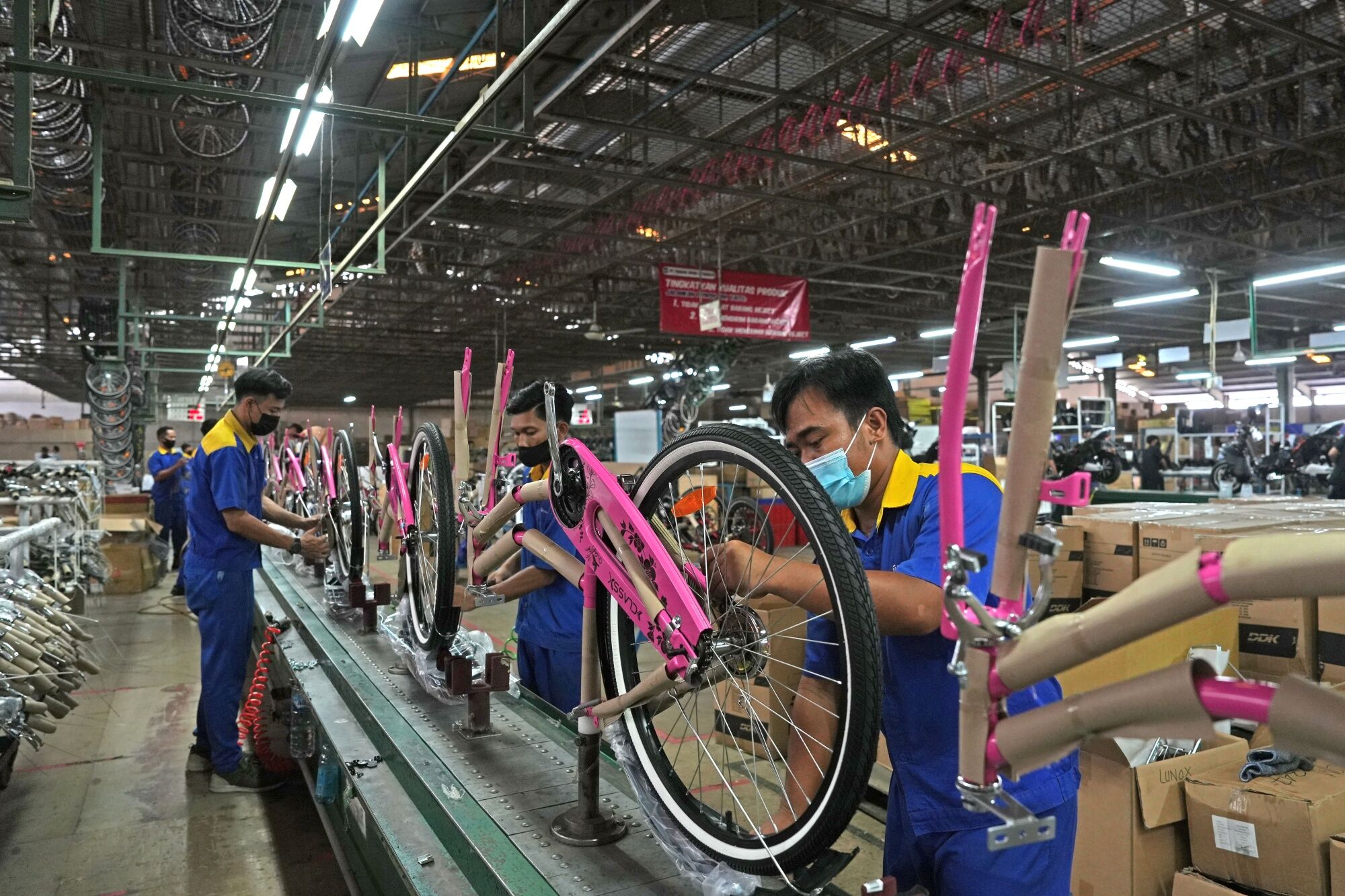
(Bloomberg) -- Manufacturing activity remained muted in Asia ahead of the peak holiday season, extending its protracted slump this year.
Factory activity in the region mostly worsened in September as lackluster global demand for goods drove a decrease in output and new work, according to the manufacturing purchasing managers' index published Monday by S&P Global and au Jibun Bank.
Japan's PMI slowed slightly to 48.5 last month from 49.6 in August, falling even further from the 50 mark that separates expansion from contraction.
Taiwan's gauge posted sizeable jump to 46.4 from 44.3, signaling a softer downturn last month. The global slump has hit the export-oriented economy hard, keeping its PMI deep in the red since May 2022.

The manufacturing revival in Southeast Asia likewise lost steam with even the region's best performer Indonesia seeing expansion slow to 52.3 in September from 53.9 the month before. Factories in Vietnam saw activity shrink after a month of expansion, joining the likes of Thailand, Malaysia, Myanmar. Only the Philippines saw an improvement, flipping from contraction to expansion.
The latest data flashes warning signs as manufacturing settles into its peak season ahead of the Christmas and New Year holidays. It undercuts cautious optimism that the global economy is finding itself on steadier footing, with consumer demand and exports firming up in some quarters.
It promises to be a tricky path ahead for manufacturers as the onset of the El Nino dry spell and tighter oil supply threatens to revive cost pressures and keep borrowing costs higher for longer.
Earlier, data out of China showcased how precarious the recovery could be. Its official manufacturing PMI rose to 50.2 last month — the first expansion since March. However, the more export-oriented Caixin manufacturing PMI fell to a lower-than-expected 50.6, although still in expansion territory after the nation rolled out stimulus.
More stories like this are available on bloomberg.com
©2023 Bloomberg L.P.

-
Ten Things I Learnt This Samvat

Patience can be a trap. Cheap stocks can stay cheap. Leverage can wipe you out. What did Samvat 2082 teach us? Niraj Shah writes on 10 lessons from the year gone by.
-
Talking Points This Week: Tech Nerves, FII Buying, And A Faraway Banking Shock
The global markets are not shining this Diwali. The exception in the large markets is, India.
-
Midterm Rally Lasted A Day. The Hard Reality Of A Divided US May Last Two Years | Opinion
Between a contested AI boom, a debt ceiling that arrives in 2027 and a president with every incentive to act alone, the next two years may prove more volatile than the first day's rally suggests.
-
Blue Wave Will Derail the AI Trade but Won't Dismantle the AI Era | Unhedged Position
The Democrats' sweep of the US Congress will see politics collide with economic forces both over the long and short term.
-
It's Time To Take The GST Council's Bet On Trust Global
Payment records can prove India's services exports, and clear, proportionate rules can bring foreign digital sellers into the tax net.
-
Opinion | India at 38: From Innovation Overperformer to Innovation Powerhouse
India now has 453 VC-backed deep science startups, 18 of them late-stage, after 117 percent growth since 2020. Laurus Labs, at USD 9.3 billion, is the most valuable deep science company in any middle-income economy outside China.
-
Navigating Energy Crossroads: S Jaishankar's Call For Diversified Supply Chains At G20 Ministerial Meeting
As geopolitical fault lines continue to test maritime trade routes and commodity flows, Jaishankar's message remains pertinent: true economic resilience requires open markets, protected transit lines, and a genuine commitment to multilateral cooperation rather than coercion.
-
Indians Are Travelling, But Not Every Journey Is A Holiday | The Week In Whys
Pilgrims, patients and working women are the real travellers, and the system hasn't quite caught up with them.
-
Getting To Work Costs Women More | The Reason Why
It is not just about women paying more than men. It is about women paying much more in cities than in villages.









