ArcelorMittal Names Aditya Mittal CEO, Resumes Dividend Payouts
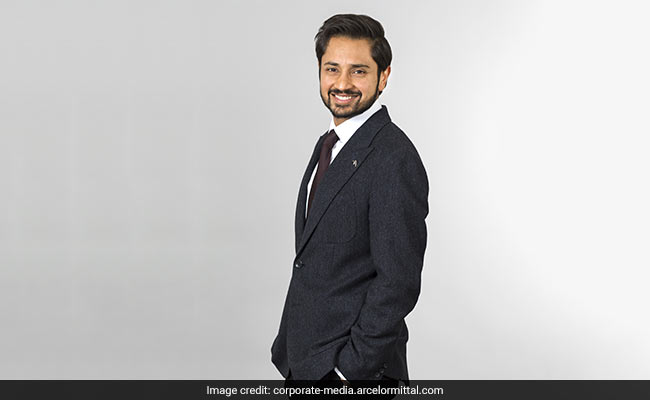
ArcelorMittal reinstated its dividend and named Aditya Mittal as its new chief executive officer after a rebounding steel market helped the company shrug off the impact of the pandemic.
The new CEO is the son of the founder of the steelmaking giant, Lakshmi Mittal, 70, who becomes executive chairman. The 45-year-old, formerly chief financial officer and head of the company's European business, has spent an apprenticeship of more than two decades preparing for the role. In 2006, at the age of just 30, Aditya Mittal also spearheaded the steel industry's biggest ever deal.
"We have worked closely together since he joined the company in 1997, indeed in recent years we have effectively been managing the company together," the elder Mittal said in a statement. "We will continue to work very closely together and I remain as fascinated, engaged and committed to the company's long-term success as ever."
Mittal is stepping back from day-to-day operations as ArcelorMittal rewards investors with a revived dividend and series of share buybacks after years of focusing on debt reduction. The company expects steel demand -- a key barometer for global economic growth -- to rebound this year, after contracting in 2020.
The succession is "a transition plan long in the works and understood by the market," said Alan Spence, an analyst at Jefferies.
ArcelorMittal shares rose as much as 4.1%, before trading down 0.5% as of 9:32 a.m. in Amsterdam.
Reinstating the dividend will be a boost for Lakshmi Mittal, the billionaire steel magnate who owns 36% of the company. Mittal, who was once the U.K.'s richest man, built the company from a rolling mill in Indonesia in 1976, before transforming the industry with the $34 billion takeover of his largest rival Arcelor 30 years later.
Aditya Mittal, who previously worked in Credit Suisse Group AG's investment bank, played a key role in driving that acquisition. His plan catapulted Mittal from being the owner of older plants, mainly in emerging markets, to the world's biggest and most advanced steelmaker. It also lumbered the company with debt that it's spent the past 15 years trying to escape from.
Now he faces the twin challenges of fighting off low-cost output from Turkey to China, while curbing the business's carbon emissions.
"I'm very much looking forward to this next chapter," the new CEO said on a conference call. "I'm focused on ensuring we continue to perform well and the biggest challenge of the day is how we decarbonize the steel industry."
ArcelorMittal achieved its debt target as the company generated cash flow with the recovery in the global economy from the initial effects of Covid-19. Steelmakers from India to Japan have flagged a recovery after the pandemic crushed consumption last year.
"Although we must continue to navigate the Covid-19 challenge, I expect 2021 to be another year of progress for the company, and look forward to working closely with Aditya our new CEO," the executive chairman said.
ArcelorMittal will pay a dividend of 30 cents a share, the company said. The company also announced a new $570 million share buyback program.
The steelmaker has focused on consolidation, selling its North American operations to Cleveland-Cliffs Inc. and shuttering an unprofitable furnace in Poland. It also sold most of its stake in the beleaguered Ilva mill to the Italian government.
Global steel demand will increase by 4.5% to 5.5% this year, the company said Thursday in its full-year earnings statement.
ArcelorMittal reported fourth-quarter earnings before interest, taxes, depreciation and amortization of $1.73 billion.
(Except for the headline, this story has not been edited by NDTV staff and is published from a syndicated feed.)

-
Ten Things I Learnt This Samvat

Patience can be a trap. Cheap stocks can stay cheap. Leverage can wipe you out. What did Samvat 2082 teach us? Niraj Shah writes on 10 lessons from the year gone by.
-
Talking Points This Week: Tech Nerves, FII Buying, And A Faraway Banking Shock
The global markets are not shining this Diwali. The exception in the large markets is, India.
-
Midterm Rally Lasted A Day. The Hard Reality Of A Divided US May Last Two Years | Opinion
Between a contested AI boom, a debt ceiling that arrives in 2027 and a president with every incentive to act alone, the next two years may prove more volatile than the first day's rally suggests.
-
Blue Wave Will Derail the AI Trade but Won't Dismantle the AI Era | Unhedged Position
The Democrats' sweep of the US Congress will see politics collide with economic forces both over the long and short term.
-
It's Time To Take The GST Council's Bet On Trust Global
Payment records can prove India's services exports, and clear, proportionate rules can bring foreign digital sellers into the tax net.
-
Opinion | India at 38: From Innovation Overperformer to Innovation Powerhouse
India now has 453 VC-backed deep science startups, 18 of them late-stage, after 117 percent growth since 2020. Laurus Labs, at USD 9.3 billion, is the most valuable deep science company in any middle-income economy outside China.
-
Navigating Energy Crossroads: S Jaishankar's Call For Diversified Supply Chains At G20 Ministerial Meeting
As geopolitical fault lines continue to test maritime trade routes and commodity flows, Jaishankar's message remains pertinent: true economic resilience requires open markets, protected transit lines, and a genuine commitment to multilateral cooperation rather than coercion.
-
Indians Are Travelling, But Not Every Journey Is A Holiday | The Week In Whys
Pilgrims, patients and working women are the real travellers, and the system hasn't quite caught up with them.
-
Getting To Work Costs Women More | The Reason Why
It is not just about women paying more than men. It is about women paying much more in cities than in villages.









