America Blew Almost $2 Trillion. Make It Stop.
(Bloomberg Opinion) -- The US federal budget seems out of control. Funding spats and debt-ceiling standoffs routinely threaten to force defaults and shutdowns. America's once-unassailable credit rating keeps slipping. Has the government simply become too big to manage?
No, but it has been so poorly managed that one could be forgiven for reaching that conclusion. Congress must do better, and next year it will have a rare opportunity.
In 2017, Congress passed a law commonly known as the Tax Cuts and Jobs Act. Its authors sold it as a fiscal miracle drug: It would simplify taxes, make businesses more competitive, increase wages, create better jobs, boost economic growth and raise revenue. Now the evidence is in, and the TCJA looks set to be remembered as an outstanding fiscal disaster. By 2027, it will have cost almost $2 trillion, while failing to deliver the promised benefits.
Economists typically expect a tax cut to have the greatest impact in its first year. In 2019, the Congressional Research Service, charged with briefing Congress on its own policies, concluded that the TCJA didn't increase wages and had little to no effect on economic growth. Researchers at the International Monetary Fund reached a similar conclusion about private investment. Companies themselves reported they didn't use the tax cut to invest, hire or give raises.
It's hard to see how policy makers could have expected anything different, given the history of tax cuts. Similar initiatives in 2001 and 2003 didn't strengthen the economy or pay for themselves, either. Instead, they primarily benefited the wealthiest households, while sharply increasing federal deficits and debt. Regular Americans appear to understand this: They mostly didn't support the TCJA, even as it was being passed.
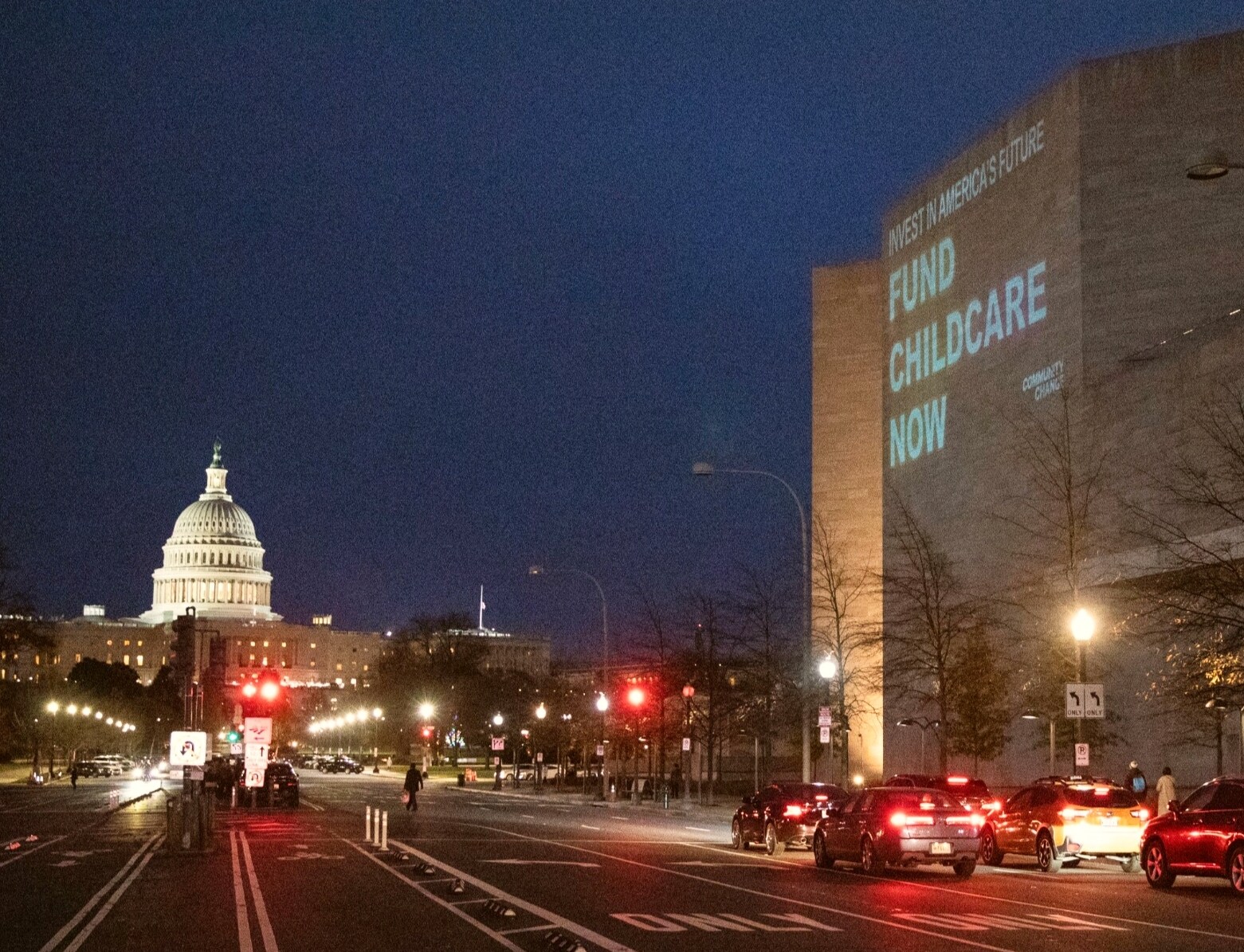
The mismanagement becomes all the more galling when one considers how the money could have been spent. Two trillion dollars over ten years isn't chump change. The 2021 expansion of the Child Tax Credit, which temporarily lifted almost 3 million children out of poverty, would have cost $1.6 trillion to extend for ten years — an expense that lawmakers considered too great. And that would still leave $400 billion, enough to provide universal child care and two years of free preschool to all interested US families.
Children are an excellent (and proven) investment, providing returns to the government and the economy in the form of a better-educated populace, greater labor force participation, higher productivity and fewer demands on the social safety net. Give kids a healthy, supported start and they give back their whole lives. Most people would readily choose such a high-return opportunity over a money-losing tax cut. Not Congress.
Maybe you just wish the US would tackle its debt. OK, the government owes $2.8 trillion to its own people, via Treasury securities held in the Social Security trust fund (which, by the way, is on track to be depleted in about a decade). So the 2017 tax cut squandered about two thirds of that amount — resources that could have been used to fulfil promises long made to American workers.
Next year, Congress must decide whether to extend many of the TCJA's provisions, which were designed to expire to make the tax cut's cost appear less burdensome. One would hope they'd at least walk away from a law with a terrible track record, if not take the opportunity to make improvements based on the lessons learned.
Nothing but willful blindness renders the US incapable of having a functioning and sustainable budget.
More From Bloomberg Opinion:
- New York Still Has Enough Rich People to Pay Bills: Justin Fox
- US Shutdown Politics Only Enables Bad Economics: Karl Smith
- Democrats and Republicans Agree On One Big Thing: Clive Crook
This column does not necessarily reflect the opinion of the editorial board or Bloomberg LP and its owners.
Kathryn Anne Edwards is a labor economist and independent policy consultant.
More stories like this are available on bloomberg.com/opinion
©2024 Bloomberg L.P.

-
Love, Sex Aur Dhokha: The Audacious Plot To Spy On Jensen Huang

A Taipei dinner, a Singapore chip buyer and a suspected Chinese asset: inside the alleged spy operation that got close to NVIDIA's Jensen Huang.
-
Ten Things I Learnt This Samvat
Patience can be a trap. Cheap stocks can stay cheap. Leverage can wipe you out. What did Samvat 2082 teach us? Niraj Shah writes on 10 lessons from the year gone by.
-
Talking Points This Week: Tech Nerves, FII Buying, And A Faraway Banking Shock
The global markets are not shining this Diwali. The exception in the large markets is, India.
-
Midterm Rally Lasted A Day. The Hard Reality Of A Divided US May Last Two Years | Opinion
Between a contested AI boom, a debt ceiling that arrives in 2027 and a president with every incentive to act alone, the next two years may prove more volatile than the first day's rally suggests.
-
Blue Wave Will Derail the AI Trade but Won't Dismantle the AI Era | Unhedged Position
The Democrats' sweep of the US Congress will see politics collide with economic forces both over the long and short term.
-
It's Time To Take The GST Council's Bet On Trust Global
Payment records can prove India's services exports, and clear, proportionate rules can bring foreign digital sellers into the tax net.
-
Opinion | India at 38: From Innovation Overperformer to Innovation Powerhouse
India now has 453 VC-backed deep science startups, 18 of them late-stage, after 117 percent growth since 2020. Laurus Labs, at USD 9.3 billion, is the most valuable deep science company in any middle-income economy outside China.
-
Navigating Energy Crossroads: S Jaishankar's Call For Diversified Supply Chains At G20 Ministerial Meeting
As geopolitical fault lines continue to test maritime trade routes and commodity flows, Jaishankar's message remains pertinent: true economic resilience requires open markets, protected transit lines, and a genuine commitment to multilateral cooperation rather than coercion.
-
Indians Are Travelling, But Not Every Journey Is A Holiday | The Week In Whys
Pilgrims, patients and working women are the real travellers, and the system hasn't quite caught up with them.









