Amazon Cancels Some Inventory Orders From China After Tariffs
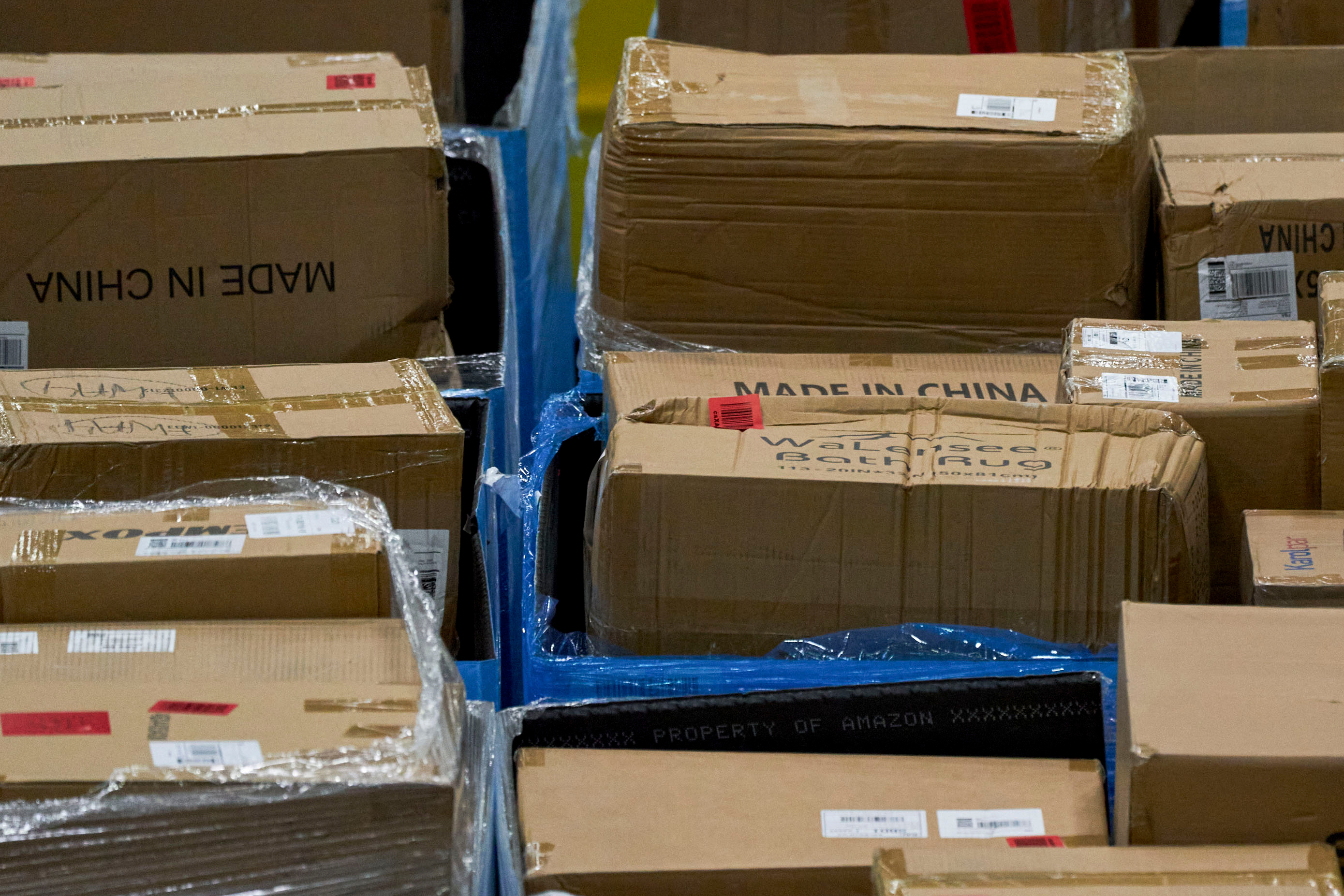
Amazon.com Inc. has canceled orders for multiple products made in China and other Asian countries, according to a document reviewed by Bloomberg and people familiar with the matter, suggesting the company is reducing its exposure to tariffs imposed by President Donald Trump.
The orders for beach chairs, scooters, air conditioners and other merchandise from multiple Amazon vendors were halted after Trump's April 2 announcement that he planned to levy tariffs on more than 180 countries and territories, including China, Vietnam and Thailand, the people said. The timing of the cancellations, which had no warning, led the vendors to suspect it was a response to tariffs.
An Amazon spokesperson declined to comment. The company identified international trade disputes as a risk factor in its annual report released in February. “China-based suppliers provide significant portions of our components and finished goods,” the company said.
It's unclear how widespread the cancellations are and how many types of merchandise they affect.
One vendor who has been selling beach chairs made in China to Amazon for more than a decade received an email from the company last week that said it was canceling some purchase orders it placed “in error“ and instructed the vendor not to ship them. The email, which was reviewed by Bloomberg, didn't mention tariffs.
The vendor said the $500,000 wholesale order was nixed after the chairs had already been manufactured, leaving this person on the hook to pay the factory and find other buyers. The vendor, who spoke on condition of anonymity for fear of retaliation from Amazon, said the company had never canceled one of its orders in such as manner.
Scott Miller, a former Amazon vendor manager who now works as an e-commerce consultant, said Amazon canceled orders for merchandise made in China and other Asian countries from several of his clients. The cancellations came without warning, he said, and could force vendors to renegotiate terms with the e-commerce company.
“Amazon really holds all of the cards,” said Miller, founder and CEO of pdPlus in Minneapolis. “The only real recourse vendors have is to either sell this inventory in other countries at lower margins or try to work with other retailers.”
The beach chair vendor and Miller said Amazon cancelled “direct import orders,” a process in which Amazon buys inventory wholesale in the country in which it is made and ships the products to its warehouses in the United States. Amazon serves as the importer of record for the orders, which means it pays tariffs when the products reach US ports.
Amazon has been importing items this way for years as a way to reduce costs since Amazon can often use bulk shipping rates to import items at lower costs than vendors. Canceling those orders puts the tariff exposure back on vendors if they import merchandise to the US by other means.
Items Amazon buys directly from vendors account for about 40% of the products sold on its website. The rest of the company's sales are made by independent merchants who essentially rent digital shelf space from Amazon, paying the company commissions and fees for logistics and advertising.
Trump's tariffs have rattled global markets. Many businesses are raising prices, stoking fears of a recession. On Tuesday, Robert W. Baird & Co. Inc. reduced its 2025 revenue forecast for Amazon, citing the effects of tariffs in a research note. The company's shares have fallen about 21% this year, compared with the S&P 500's 15% slump.

-
Talking Points This Week: Tech Nerves, FII Buying, And A Faraway Banking Shock

The global markets are not shining this Diwali. The exception in the large markets is, India.
-
Midterm Rally Lasted A Day. The Hard Reality Of A Divided US May Last Two Years | Opinion
Between a contested AI boom, a debt ceiling that arrives in 2027 and a president with every incentive to act alone, the next two years may prove more volatile than the first day's rally suggests.
-
Blue Wave Will Derail the AI Trade but Won't Dismantle the AI Era | Unhedged Position
The Democrats' sweep of the US Congress will see politics collide with economic forces both over the long and short term.
-
It's Time To Take The GST Council's Bet On Trust Global
Payment records can prove India's services exports, and clear, proportionate rules can bring foreign digital sellers into the tax net.
-
Opinion | India at 38: From Innovation Overperformer to Innovation Powerhouse
India now has 453 VC-backed deep science startups, 18 of them late-stage, after 117 percent growth since 2020. Laurus Labs, at USD 9.3 billion, is the most valuable deep science company in any middle-income economy outside China.
-
Navigating Energy Crossroads: S Jaishankar's Call For Diversified Supply Chains At G20 Ministerial Meeting
As geopolitical fault lines continue to test maritime trade routes and commodity flows, Jaishankar's message remains pertinent: true economic resilience requires open markets, protected transit lines, and a genuine commitment to multilateral cooperation rather than coercion.
-
Indians Are Travelling, But Not Every Journey Is A Holiday | The Week In Whys
Pilgrims, patients and working women are the real travellers, and the system hasn't quite caught up with them.
-
Getting To Work Costs Women More | The Reason Why
It is not just about women paying more than men. It is about women paying much more in cities than in villages.
-
AI Bias In Investing Cannot Be Eliminated, But It Can Be Governed
Framing is a particularly important example as identical financial information presented in terms of gains rather than losses can lead an LLM to reach a different assessment.









