Farmers Seeing The Impact Of Heatwaves On Agriculture, Already

"It's just February and already we are seeing heatwaves. It's very surprising", says farmer and wholesaler Rohan Ursal. "Normally, we see heatwaves from March and peaking in April or May", he said.
Temperatures have gone up by seven to eight degrees and the rise in temperatures is not just very sharp, it is also very sudden, Ursal, who is the chairman and managing director at Purandar Highlands Farmers Producer Company Ltd explained. Already, there is an impact. The fruits are not holding well because of the heat. They are smaller, he says, giving an instance. "Even fruits and vegetables are susceptible to sunstroke," he says.
The year might have started on a good note, but already, Ursal is seeing 30-40% less produce of figs than the previous year. "Ye to bilkul haath main hi nahi hain," (We have no control over this situation any more) he says, talking of the situation.
Brij Mohan Bhadu, a farmer in Pilibanga, in Rajasthan, had suffered considerable losses last year in wheat because of the heatwaves. This year, he says that with high temperatures once again, yield will be half of normal if these temperatures persist.
Early onset of summers and heatwaves led to a fall in yield of wheat crop in 2022, with production estimated at 106.84 million tonnes as compared to 109.59 million tonnes the year before.
Praveen Pankajakshan, vice president for data science and AI, at CropIn, a startup that provides farm monitoring and management solution services, also owns a farm. Trees are already flowering and fruiting because of higher temperatures this year, he said. "That's not normal," he says.
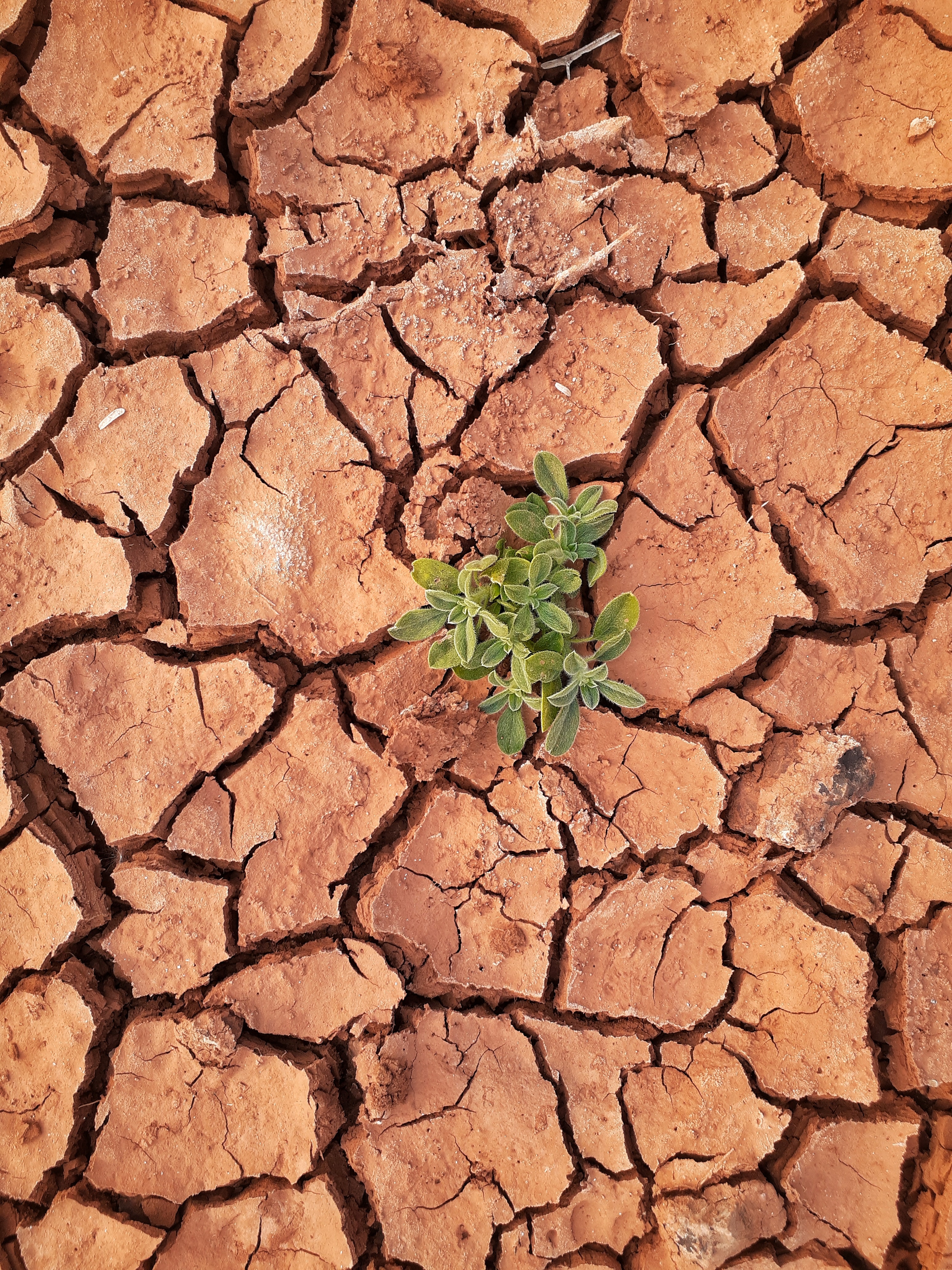
The mangoes that have had to be harvested early because of higher temperatures and have had to be used for pickles, he says. The temperatures are causing even flowers to dry out and wilt. Even pollination is less, he added.
On February 20, 2023, the Indian Meteorological Department issued a special advisory, warning of warmer day temperatures over parts of Gujarat, Rajasthan, Konkan and Goa. The next day it issued another advisory, warning of higher prevailing temperatures over Punjab, Haryana and Rajasthan. Temperatures were around four to eleven degree Celsius above normal, the department said.
This higher day temperature might lead to adverse effects on wheat approaching reproductive growth period, which is sensitive to temperature, the release said. High temperature during flowering and maturing period leads to loss in yield, the IMD explained.
If temperatures exceed the crop's optimal range, yields will drop because heat stress can disrupt a plant's pollination, flowering, root development and growth stages, a release by CropIn explained.
Vivek Lalan, head of insurance at nurture farm, said that agronomists expect the impact of the heat wave to continue over the summer. There is a chance that it will get worse hereon, he cautions.
What Can Farmers Do?
The advisory for farmers by the IMD has been to provide irrigation, and mulching- providing a covering between two rows of vegetable crops for conservation of soil moisture and maintaining the soil temperature.
CropIn uses data such as the crop stage, weather, time of sowing and harvesting, season, location and a multitude of such factors, to customise farmer solutions. The advisory given also has to be actionable- the farmer should be able to access resources and implement the advisory, Pankajakshan said. "We also have to be careful regarding the advisory we provide so as to not overwhelm the farmers," he said.
Pankajakshan also said that farmers are considering early or late sowing. For instance, if sowing takes place early, a sudden heat wave has less impact as plants are already matured. Irrigation also prevents the crop from drying out and enabling the plant to recover from the heat wave impact.
Farmers are also advised to plant shorter duration crops, he explained. Intercropping crops of short duration can offset crops of longer duration which are more susceptible to damage from heat waves, he explained.
Lalan said that farmers can use fertilisers to provide additional support in terms of nutrients and improve crop canopy.
To be sure, such remedial measures will have a limited impact in case of persistently high temperatures for days at a stretch, Lalan cautioned.
That leaves farmers with insurance to protect against damages, he added.
Food habits and consumer demand will need to change too, Pankajakshan said. After all, farmers grow what is in demand in markets. While millets are highly resilient to climate change and have immense nutritional value, paddy is water intensive, he explained.
Farmers are at a loss over how to restrict it, Ursal said. Every year is bringing fresh challenges, he rues.

-
Opinion | India at 38: From Innovation Overperformer to Innovation Powerhouse

India now has 453 VC-backed deep science startups, 18 of them late-stage, after 117 percent growth since 2020. Laurus Labs, at USD 9.3 billion, is the most valuable deep science company in any middle-income economy outside China.
-
Navigating Energy Crossroads: S Jaishankar's Call For Diversified Supply Chains At G20 Ministerial Meeting
As geopolitical fault lines continue to test maritime trade routes and commodity flows, Jaishankar's message remains pertinent: true economic resilience requires open markets, protected transit lines, and a genuine commitment to multilateral cooperation rather than coercion.
-
Indians Are Travelling, But Not Every Journey Is A Holiday | The Week In Whys
Pilgrims, patients and working women are the real travellers, and the system hasn't quite caught up with them.
-
Getting To Work Costs Women More | The Reason Why
It is not just about women paying more than men. It is about women paying much more in cities than in villages.
-
AI Bias In Investing Cannot Be Eliminated, But It Can Be Governed
Framing is a particularly important example as identical financial information presented in terms of gains rather than losses can lead an LLM to reach a different assessment.
-
Joining The Dots | Dark Skies, Steady Diya: Why Hope Holds This Diwali
With war, a weak rupee and foreign outflows weighing on sentiment, policymakers at the NDTV World Summit and market veterans at NDTV Profit Ignite: Diwali Edition offered the same advice: stay invested and filter out the noise.
-
The Curious Case of Equitas Small Finance Bank And A CEO Who Quit For Stock
PN Vasudevan believes persistent investor concerns over a perceived conflict of interest had become a governance overhang on Equitas Small Finance Bank's stock, even as the lender improved profitability and asset quality.
-
Talking Points This Week: AI Cash Burn, A Tiger Comeback And An India That Still Finds Its Own Path
India is not immune to higher oil or tighter global liquidity, yet its earnings base is broader, its domestic policy levers are still available.
-
Foreign Investors Own Half Of HDFC Bank and ICICI Bank. An LTCG Cut Could Matter Most Here
Foreign portfolio investors have US$115 billion parked in HDFC Bank, ICICI Bank. If the government cuts long-term capital gains tax, Jefferies says returning foreign money could land here first.










