Air Passenger Traffic Grows The Fastest In 13 Months
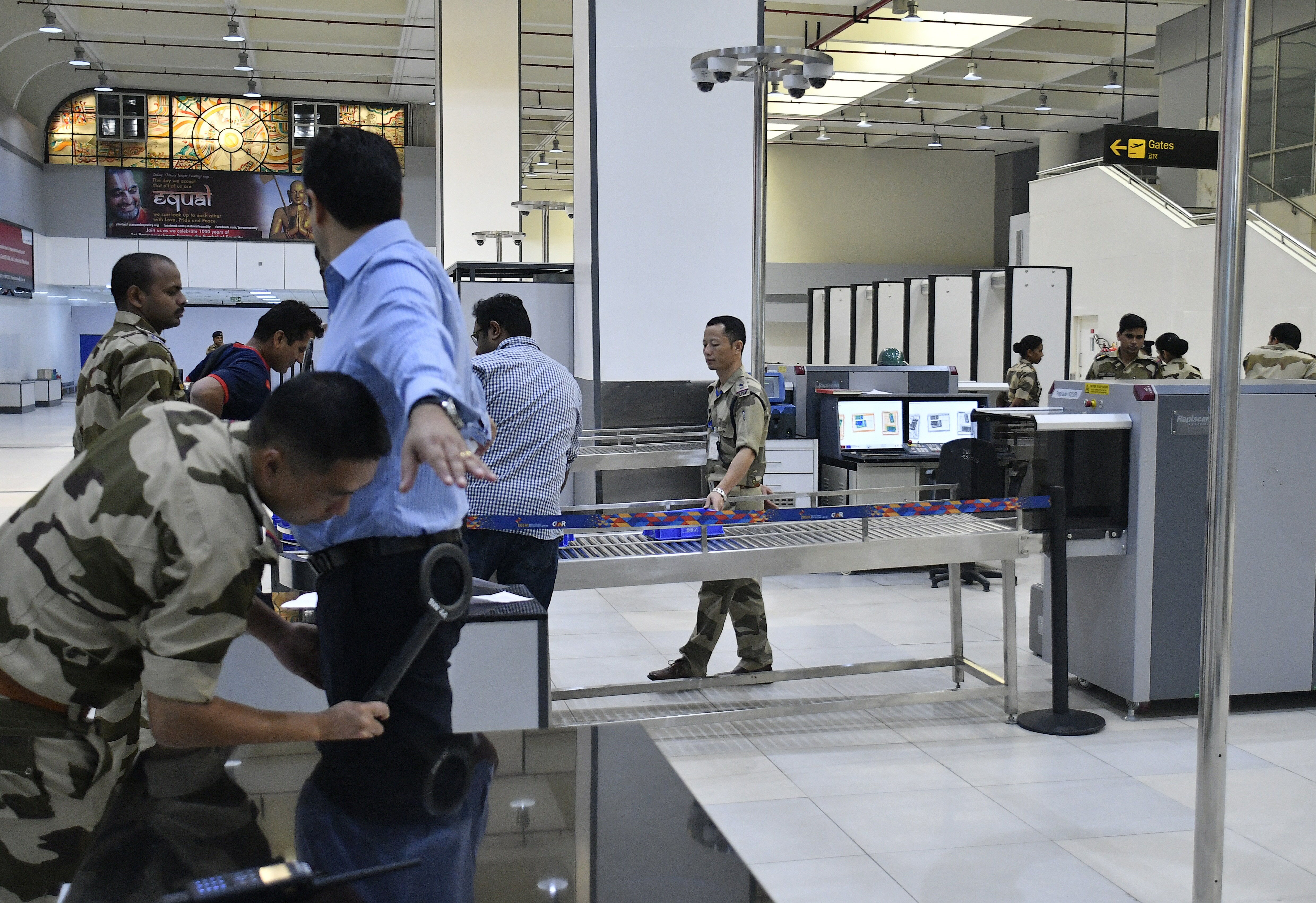
Domestic airline passenger traffic rose at its fastest pace in 13 months in February, usually a lean month, as more than 10.7 million Indians took to the skies.
Passenger traffic grew 24 percent over the year-ago period, according to data released by the Directorate General of Civil Aviation, on the back of improving affordability, low penetration and favourable government policies.

The growth in passenger traffic in the world's fastest-growing aviation market was led by GoAir, IndiGo, Air Asia and Vistara. All the four airlines' traffic rose above the industry average. The number of fliers for InterGlobe Aviation Ltd., the parent of IndiGo, rose for the second straight month after sluggish growth in the second half of 2017.

Passenger load factor, a measure of capacity utilisation, increased for all major airlines in February. Five companies reported a 90-percent plus average for the first time in at least four years.

SpiceJet's passenger load factor rose to its highest level of 96.3 percent, remaining above 90 percent for the thirty-fourth consecutive month. IndiGo's was near its three-year high, while the Jet Group companies reported a 90 percent capacity utilisation for the first time.
IndiGo, India's largest airline, continued to consolidate its market share by gaining 40 basis points. Among the smaller operators, GoAir, Air Asia and Vistara continued to gain market share at the cost of larger peers.

IndiGo could lose market share in March as it cancelled flights after the regulator grounded Airbus A320 Neo planes due to technical glitches in their Pratt & Whitney engines. The decision came after IndiGo's A320neo aircraft suffered engine failure mid-air and was forced to make an emergency landing.
Also Read: India Grounds Airbus A320neo Planes With New Pratt Engines Citing Safety Concerns
IndiGo's loss is likely to result in gains for Air India Ltd., Jet Airways Ltd. and a few smaller operators which are running at lower capacity. SpiceJet Ltd., IndiGo's closest competitor, is unlikely to benefit as it is already running at high capacity utilisation.
In February, IndiGo's domestic flight cancellations stayed above the industry average due to its engine problems. This is expected to persist in March as well as the company cancelled more than 900 flights. Flight cancellations had last spiked in June 2017, also due to engine problems.

Which means, IndiGo also lost its top position in on-time performance to SpiceJet for the second time in four months.

Engine troubles have circled IndiGo in the month of March, which could result into a market share loss and restricted passenger growth for India's largest airline company. IndiGo's loss is likely to result in gains for Air India Ltd., Jet Airways Ltd. and a few smaller operators which are running at lower capacity utilisation. SpiceJet Ltd., the closest competitor of IndiGo is less likely to benefit as it is already running at high capacity utilisation.

-
Ten Things I Learnt This Samvat

Patience can be a trap. Cheap stocks can stay cheap. Leverage can wipe you out. What did Samvat 2082 teach us? Niraj Shah writes on 10 lessons from the year gone by.
-
Talking Points This Week: Tech Nerves, FII Buying, And A Faraway Banking Shock
The global markets are not shining this Diwali. The exception in the large markets is, India.
-
Midterm Rally Lasted A Day. The Hard Reality Of A Divided US May Last Two Years | Opinion
Between a contested AI boom, a debt ceiling that arrives in 2027 and a president with every incentive to act alone, the next two years may prove more volatile than the first day's rally suggests.
-
Blue Wave Will Derail the AI Trade but Won't Dismantle the AI Era | Unhedged Position
The Democrats' sweep of the US Congress will see politics collide with economic forces both over the long and short term.
-
It's Time To Take The GST Council's Bet On Trust Global
Payment records can prove India's services exports, and clear, proportionate rules can bring foreign digital sellers into the tax net.
-
Opinion | India at 38: From Innovation Overperformer to Innovation Powerhouse
India now has 453 VC-backed deep science startups, 18 of them late-stage, after 117 percent growth since 2020. Laurus Labs, at USD 9.3 billion, is the most valuable deep science company in any middle-income economy outside China.
-
Navigating Energy Crossroads: S Jaishankar's Call For Diversified Supply Chains At G20 Ministerial Meeting
As geopolitical fault lines continue to test maritime trade routes and commodity flows, Jaishankar's message remains pertinent: true economic resilience requires open markets, protected transit lines, and a genuine commitment to multilateral cooperation rather than coercion.
-
Indians Are Travelling, But Not Every Journey Is A Holiday | The Week In Whys
Pilgrims, patients and working women are the real travellers, and the system hasn't quite caught up with them.
-
Getting To Work Costs Women More | The Reason Why
It is not just about women paying more than men. It is about women paying much more in cities than in villages.









