Air India Sell Tickets Worth Rs 36 Lakh On Mobile Phones
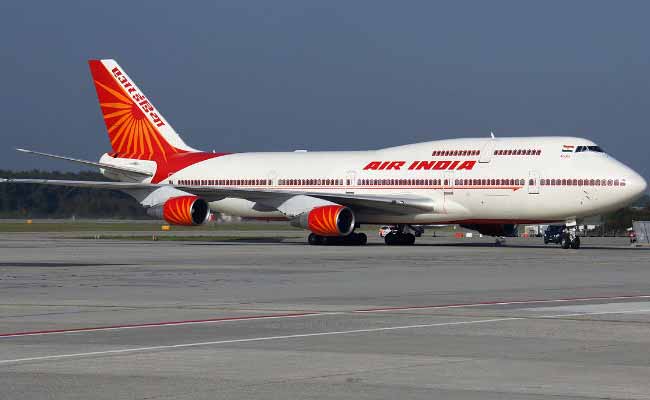
Bambolim: National carrier Air India has seen revenues from tickets booked through mobile devices
jump nearly three-fold since the re-launch of its mobile application in October.
Air India was raking in daily revenues to the tune of Rs 10-12 lakh from the tickets booked through mobile devices.
With the launch of the mobile application, the amount has rose nearly three-fold to Rs 36 lakh per day, a senior official said.
"We have seen this uptick in the last nearly one and a half months following the re-launch of our mobile app in October," Air India Finance Director Vinod Hejmadi said here at SITA's two-day 2016 Aviation ICT forum here today.
Built by global technology provider SITA using its state- of-the art mobile platform, the app makes it easier for passengers to book, check-in and manage every aspect of their journey from their mobile device.
With the app, the airline is looking to meet growing demand for mobile services as well as increase direct bookings by consumers -- both domestically and internationally.
As per estimates, more than one billion Indians use a mobile phone and out of them around 300 million regularly use them to access Internet.
Built on SITA's iTravel platform, the Air India app offers the ability to book and pay for a flight by scanning both passport and credit card.
The app has also been integrated with Air India's Flying Returns loyalty programme where passengers can securely access details of points earned or other updates to their accounts.
In October, Air India carried 11.25 lakh passengers domestically and had a market share of 13 per cent
(This story has not been edited by NDTV staff and is auto-generated from a syndicated feed.)

-
Where You Live Shapes How You Get To Work | The Reason Why

Two-wheelers are the most popular way to get to work in India, accounting for nearly 43% of workplace commutes.
-
High US Salaries, No Green Card Certainty: The Financial Calculation Facing Indian H-1B Families
The suspension of PERM processing at eight technology employers does not cancel existing H-1B visas. What it does is force a question many Indian families have been avoiding: is the US salary worth tying your career and family plans to one employer?
-
Unhedged Position: Can India See An Indonesia-Style Time Correction?
The Nifty is trading below levels it first clocked in 2024. Is there, then, as I have suggested in the headline, potential that the current time correction drags on painfully for the next three-five, even ten years?
-
Navigating Friction And Energy Realities: An Analysis Of Marco Rubio's October Visit To India
Occurring at a critical juncture marked by stalled trade negotiations and escalating geopolitical pressures over global energy supplies, the visit offers a profound window into modern US-India relations.
-
India Exports Capital. Why Not Export Trusteeship?
The big question, then, is whether India can build an institution that global borrowers, investors, banks, and lawyers can trust, even without an Indian connection.
-
France's Economy & Politics Are In Crisis | The Reason Why
Let's look at how the French economy and politics evolved under Nicolas Sarkozy, Franois Hollande and Emmanuel Macron.
-
You May Inherit The Business. You Must Earn Its Credibility.
Succession tests the founder's ability to share authority as much as it tests the next generation's readiness to assume it.
-
Signing Deals Is One Thing; Making Them Work Is Another | The Week In Whys
Sometimes, things don't turn out as planned. Indian companies have lost some bids to rivals, some projects won't produce until 2030.
-
FOMC Wall, PERM Suspension, Hospital Stocks | Talking Points This Week
A PERM suspension would directly affect green-card sponsorship rather than H-1B visas, so the near-term earnings impact could remain relatively limited. The key question is whether this marks a new phase in US scrutiny of Indian IT.
-
Everything, Everywhere, All At Once: Dalal Street's Week To Forget | Joining The Dots
Visa curbs, a Starlink spat and cancer drug caps: what connects this week's shocks for Indian markets









