Air India Crash Fallout: DGCA Enforces Rigorous Safety Audit To Uncover Systemic Flaws
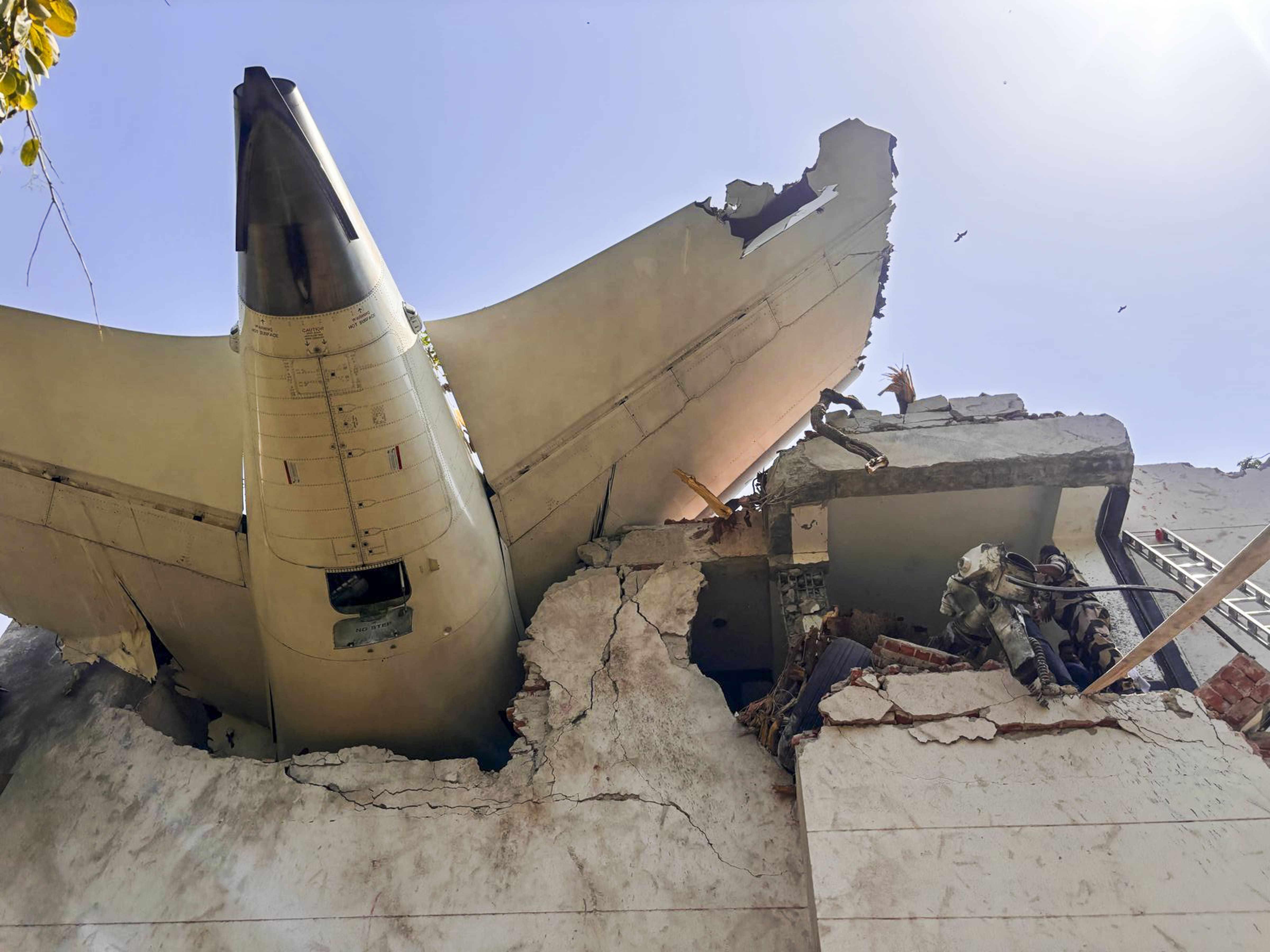
The Directorate General of Civil Aviation has unleashed a new framework for a comprehensive special audit to identify systemic vulnerabilities, enhance resilience, and ensure strict adherence to regulatory standards — sending a clear message that safety is non-negotiable.
This will cover a wide range of aviation entities, including scheduled and non-scheduled airlines, maintenance repair and overhaul organisations, flying training schools, air navigation service providers, airport operators and ground handling agencies, among others. It will be over and above the regulatory audits carried out as per the annual surveillance programme.
The regulator has deployed multidisciplinary audit teams led by senior officials and supported by subject matter experts drawn from various domains within aviation. These teams are conducting rigorous inspections using a methodology that combines physical facility inspections, document reviews, personnel interviews, simulation assessments, and ramp checks at airports. The primary focus areas included safety management systems, operational efficiency, adherence to regulatory frameworks, and crew and resource management protocols.
According to officials, the audit was triggered by a range of factors, including aviation accidents, serious incidents, recurring non-compliance issues, or findings flagged by the International Civil Aviation Organisation.
The process will unfold in three stages: a pre-audit phase lasting five to seven days, a three-to-five-day on-site audit, and a post-audit period of ten to fifteen days for analysis and follow-up. Entities audited are required to submit corrective action plans within 15 days of receiving findings. The DGCA will closely monitor the implementation of these plans. Failure to comply with audit recommendations could attract penalties, suspension of operations, or even licence revocation, the regulator warned.
Aviation safety experts, however, have called for independent oversight as DGCA audits have failed to rein in safety.
"A comprehensive audit by DGCA may not reveal all. Who audits the auditor? And why have previous audits and special audits failed?" questions air safety expert Amit Singh.
"Traditionally, regulatory and safety oversight functions within Indian aviation have been conducted in silos, with different directorates performing inspections and audits specific to their respective domains," according to the order issued by DGCA Director General Faiz Ahmed Kidwai. "These activities include planned/unplanned surveillance inspections, random spot checks and ramp inspections which primarily assess compliance and safety with individual aviation segments."
"In a significant paradigm shift, the comprehensive special audit is designed to transcend existing siloed assessments by evaluating the aviation ecosystem holistically," the order stated. "The goal is to generate a 360-degree evaluation of the aviation ecosystem, reflecting both its strengths and areas needing improvement."

-
Unhedged Position: Can India See An Indonesia-Style Time Correction?

The Nifty is trading below levels it first clocked in 2024. Is there, then, as I have suggested in the headline, potential that the current time correction drags on painfully for the next three-five, even ten years?
-
Navigating Friction And Energy Realities: An Analysis Of Marco Rubio's October Visit To India
Occurring at a critical juncture marked by stalled trade negotiations and escalating geopolitical pressures over global energy supplies, the visit offers a profound window into modern US-India relations.
-
India Exports Capital. Why Not Export Trusteeship?
The big question, then, is whether India can build an institution that global borrowers, investors, banks, and lawyers can trust, even without an Indian connection.
-
France's Economy & Politics Are In Crisis | The Reason Why
Let's look at how the French economy and politics evolved under Nicolas Sarkozy, Franois Hollande and Emmanuel Macron.
-
You May Inherit The Business. You Must Earn Its Credibility.
Succession tests the founder's ability to share authority as much as it tests the next generation's readiness to assume it.
-
Signing Deals Is One Thing; Making Them Work Is Another | The Week In Whys
Sometimes, things don't turn out as planned. Indian companies have lost some bids to rivals, some projects won't produce until 2030.
-
FOMC Wall, PERM Suspension, Hospital Stocks | Talking Points This Week
A PERM suspension would directly affect green-card sponsorship rather than H-1B visas, so the near-term earnings impact could remain relatively limited. The key question is whether this marks a new phase in US scrutiny of Indian IT.
-
Everything, Everywhere, All At Once: Dalal Street's Week To Forget | Joining The Dots
Visa curbs, a Starlink spat and cancer drug caps: what connects this week's shocks for Indian markets
-
India Is Going Abroad For Critical Minerals. But It May Take Years To Pay Off | The Reason Why
Although India's steps are in the right direction, they remain modest compared with India's growing dependence.
-
When Everyone Has AI, What Gives You An Edge?
India's young workforce is entering an uncertain world of work where powerful AI tools are becoming widely accessible. The advantage will belong to those who combine deep expertise with digital fluency, and the distinctly human capabilities that technology cannot manufacture.









