A Clean Energy Super Grid Across Asia Is Closer To Reality
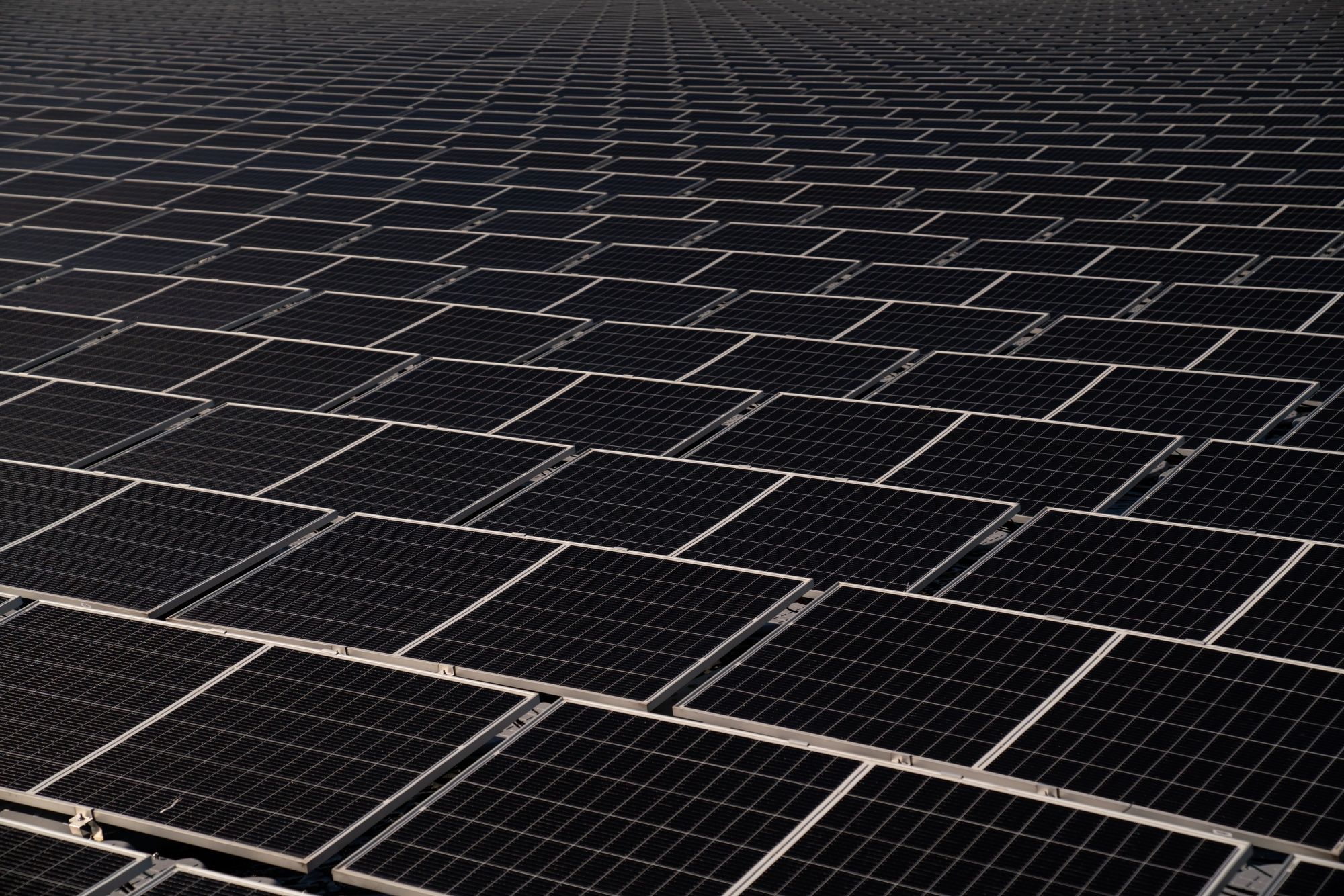
(Bloomberg) -- Plans for a web of sub-sea cables that would create a continental power grid spanning Japan to India are rapidly becoming cheaper and more feasible, according to a study commissioned by advocates of the technology.
The evolution in high-voltage, direct current technology and ability to lay cables at depths of up to 3,000 meters -- opening up previously inaccessible terrain -- has strengthened the prospects for a network that could help shift renewable energy generated in one corner of the region to consumers thousands of miles away.
It's now becoming more possible “to connect energy grids over much longer distances in an economical manner,” the Asia Green Grid Network said Wednesday in a report. “Making it a reality will require overcoming a series of challenges, many of which will require breakthroughs in innovation.”
The group, which includes Sun Cable -- developer of a A$30 billion ($19 billion) Australia-to-Singapore solar project -- calculates that the main transmission lines for a pan-Asia grid could cost between $77 billion to $116 billion, far lower than similar estimates in the past. However, additional investment would be needed in other major pieces of infrastructure, such as renewable energy, batteries and voltage converters, according to the network.
The idea of connecting power plants and customers across Asia has been pursued for decades, but stymied by issues including lack of government coordination and infrastructure funding. State Grid Corp. of China said in 2016 that such a grid would cost about $50 trillion by 2050.
Backers see the chance to turbocharge the green transition -- connecting renewable energy produced in regions with abundant sun, wind or hydropower resources with heavy power consumers in cities and industrial hubs.
Read more: The $300 Billion Plan to Bring Clean Power to China's Megacities
While still in its infancy compared to the interconnections in Europe, Asia is taking small steps toward integrating grids. Singapore began receiving hydropower from Laos wired through Thailand and Malaysia earlier this year.
China is also deploying similar ideas on a national scale with the installation of thousands of kilometers of ultra-high voltage lines to link power plants in western deserts to urban centers in the east.
The Asia Green Grid Network was launched by Sun Cable in association with a number of universities in Australia and Singapore to study how to create an integrated regional power network.
More stories like this are available on bloomberg.com
©2022 Bloomberg L.P.

-
Blue Wave Will Derail the AI Trade but Won't Dismantle the AI Era | Unhedged Position

The Democrats' sweep of the US Congress will see politics collide with economic forces both over the long and short term.
-
It's Time To Take The GST Council's Bet On Trust Global
Payment records can prove India's services exports, and clear, proportionate rules can bring foreign digital sellers into the tax net.
-
Opinion | India at 38: From Innovation Overperformer to Innovation Powerhouse
India now has 453 VC-backed deep science startups, 18 of them late-stage, after 117 percent growth since 2020. Laurus Labs, at USD 9.3 billion, is the most valuable deep science company in any middle-income economy outside China.
-
Navigating Energy Crossroads: S Jaishankar's Call For Diversified Supply Chains At G20 Ministerial Meeting
As geopolitical fault lines continue to test maritime trade routes and commodity flows, Jaishankar's message remains pertinent: true economic resilience requires open markets, protected transit lines, and a genuine commitment to multilateral cooperation rather than coercion.
-
Indians Are Travelling, But Not Every Journey Is A Holiday | The Week In Whys
Pilgrims, patients and working women are the real travellers, and the system hasn't quite caught up with them.
-
Getting To Work Costs Women More | The Reason Why
It is not just about women paying more than men. It is about women paying much more in cities than in villages.
-
AI Bias In Investing Cannot Be Eliminated, But It Can Be Governed
Framing is a particularly important example as identical financial information presented in terms of gains rather than losses can lead an LLM to reach a different assessment.
-
Joining The Dots | Dark Skies, Steady Diya: Why Hope Holds This Diwali
With war, a weak rupee and foreign outflows weighing on sentiment, policymakers at the NDTV World Summit and market veterans at NDTV Profit Ignite: Diwali Edition offered the same advice: stay invested and filter out the noise.
-
The Curious Case of Equitas Small Finance Bank And A CEO Who Quit For Stock
PN Vasudevan believes persistent investor concerns over a perceived conflict of interest had become a governance overhang on Equitas Small Finance Bank's stock, even as the lender improved profitability and asset quality.










