50 Cities On Offer In 10th City Gas Licensing Round
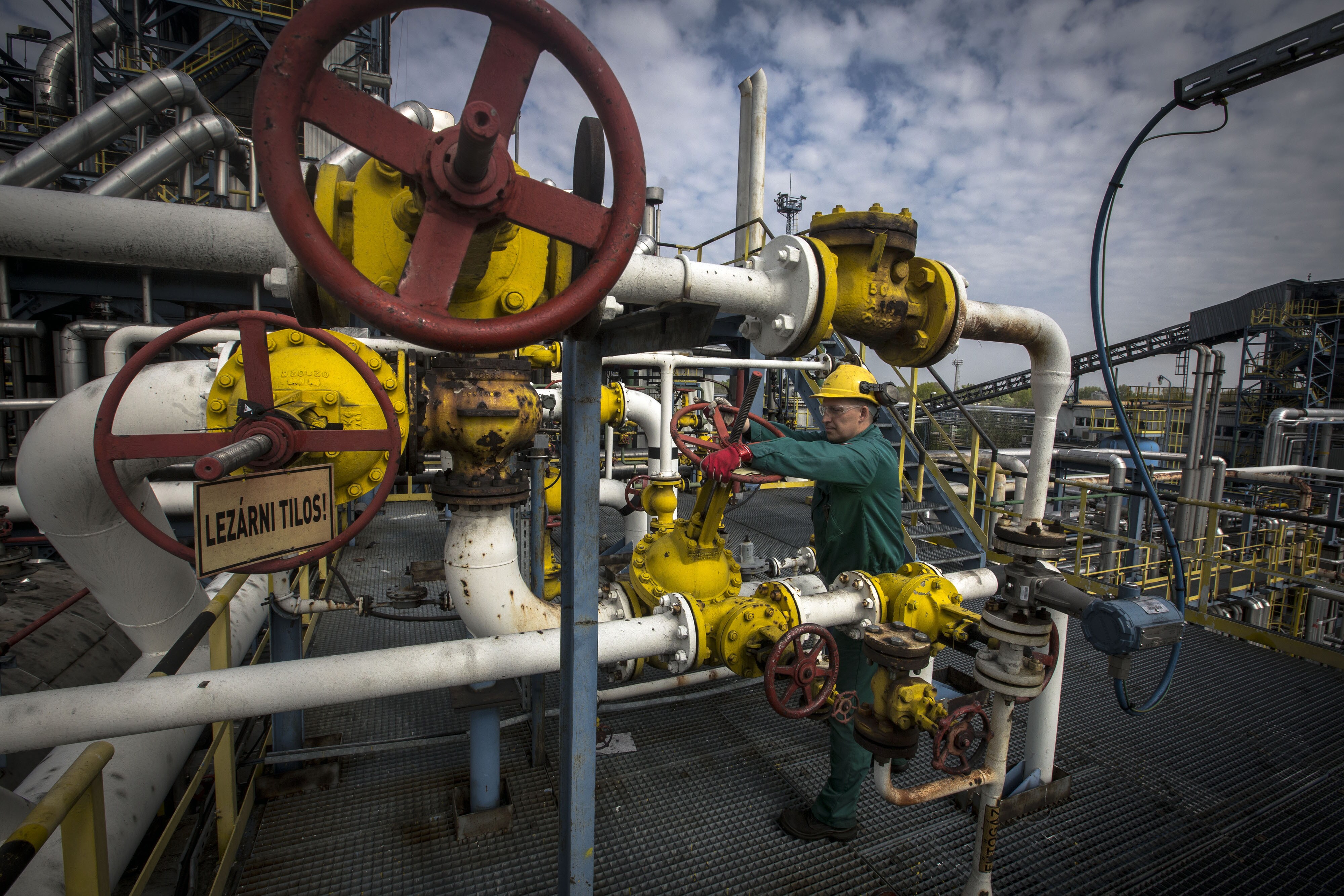
The Petroleum and Natural Gas Regulatory Board has put up for bidding 50 cities, including Gwalior, Mysuru, Ajmer and Howrah, for grant of licence to retail compressed natural gas and piped natural gas.
The oil regulator offered 50 geographical areas, carved out by clubbing adjoining districts in 12 states, in the 10th round of bidding for city gas licences.
Bids are due by Feb. 5, according to the board.
Bidders have been asked to quote the number of CNG stations to be set up and the number of domestic cooking gas connections to be given in the first eight years of operation. Also, they have to quote the length of pipeline to be laid in the geographical areas and the tariff proposed for city gas and compressed natural gas, according to the board.
The bid round comes within months of the close of the ninth round, which was the biggest ever city gas distribution licensing round where 86 permits for selling CNG and piped cooking in 174 districts in 22 states and union territories were offered.
The government is targeting raising share of natural gas in the primary energy basket to 15 percent from the current 6.2 percent, in the next few years and the bid rounds are aimed at fulfilling that objective.
They are also aimed at meeting Prime Minister Narendra Modi's target of giving piped cooking gas connection to 1 crore households, roughly triple the current size, by 2020.
Cities on offer in the 10th round include Nellore in Andhra Pradesh; Muzaffarpur in Bihar; Kaithal in Haryana; Mysuru and Kalburgi in Karnataka; Alappuzha and Kollam in Kerala; Ujjain, Gwalior and Morena in Madhya Pradesh; Jhansi and Basti in Uttar Pradesh; Firozpur and Hoshiarpur in Punjab; Ajmer and Jalor in Rajasthan; Nainital in Uttarakhand; and Darjeeling and Howrah in West Bengal.
Companies having a net worth of not less than Rs 150 crore can bid for geographical areas with a population of 50 lakh and more while the same for areas with a population of 20-50 lakh has been proposed at Rs 100 crore.
The net worth eligibility goes down with population, with a Rs 5 crore net worth firm being eligible to bid for areas that have less than 10 lakh population.
The board said any entity with security CGD licence would have to enter into a firm natural gas supply agreement with a natural gas producer or marketer in a transparent manner on the principle of "at an arm's length" within 180 days of winning a licence.
The authorised entity has to achieve financial closure within 270 days from the date of grant of licence.
The winning company would have eight years of marketing exclusivity in the given city. Licences given prior to ninth round provide for five years of exclusivity.
In the ninth round, which closed in July, billionaire Gautam Adani's Adani Gas Ltd., state-owned Indian Oil Corporation Ltd., Bharat Petroleum Corporation Ltd. and Torrent Gas Ltd. were the big winners.
Adani Gas won rights to retail CNG to automobiles and piped cooking gas to households and industries in 13 cities on its own and another nine in a joint venture with IOC.
IOC on its own won rights to seven cities while Bharat Gas Resources—a unit of state-owned BPCL—won a licence for 11 cities. Torrent Gas made 10 winning bids. State gas utility GAIL's retailing arm, GAIL Gas, managed rights for five cities.
Prior to the ninth round, 91 geographical areas were awarded to firms like Indraprastha Gas and GAIL Gas, which are serving 240 million population, 42 lakh domestic consumers and 31 lakh CNG vehicles.

-
Opinion | India at 38: From Innovation Overperformer to Innovation Powerhouse

India now has 453 VC-backed deep science startups, 18 of them late-stage, after 117 percent growth since 2020. Laurus Labs, at USD 9.3 billion, is the most valuable deep science company in any middle-income economy outside China.
-
Navigating Energy Crossroads: S Jaishankar's Call For Diversified Supply Chains At G20 Ministerial Meeting
As geopolitical fault lines continue to test maritime trade routes and commodity flows, Jaishankar's message remains pertinent: true economic resilience requires open markets, protected transit lines, and a genuine commitment to multilateral cooperation rather than coercion.
-
Indians Are Travelling, But Not Every Journey Is A Holiday | The Week In Whys
Pilgrims, patients and working women are the real travellers, and the system hasn't quite caught up with them.
-
Getting To Work Costs Women More | The Reason Why
It is not just about women paying more than men. It is about women paying much more in cities than in villages.
-
AI Bias In Investing Cannot Be Eliminated, But It Can Be Governed
Framing is a particularly important example as identical financial information presented in terms of gains rather than losses can lead an LLM to reach a different assessment.
-
Joining The Dots | Dark Skies, Steady Diya: Why Hope Holds This Diwali
With war, a weak rupee and foreign outflows weighing on sentiment, policymakers at the NDTV World Summit and market veterans at NDTV Profit Ignite: Diwali Edition offered the same advice: stay invested and filter out the noise.
-
The Curious Case of Equitas Small Finance Bank And A CEO Who Quit For Stock
PN Vasudevan believes persistent investor concerns over a perceived conflict of interest had become a governance overhang on Equitas Small Finance Bank's stock, even as the lender improved profitability and asset quality.
-
Talking Points This Week: AI Cash Burn, A Tiger Comeback And An India That Still Finds Its Own Path
India is not immune to higher oil or tighter global liquidity, yet its earnings base is broader, its domestic policy levers are still available.
-
Foreign Investors Own Half Of HDFC Bank and ICICI Bank. An LTCG Cut Could Matter Most Here
Foreign portfolio investors have US$115 billion parked in HDFC Bank, ICICI Bank. If the government cuts long-term capital gains tax, Jefferies says returning foreign money could land here first.










