`No Cash' Signs Everywhere Has Sweden Worried It's Gone Too Far
Also Read: Vijay Shekhar Sharma Is Miffed With Facebook. Here's Why
(Bloomberg) -- “No cash accepted” signs are becoming an increasingly common sight in shops and eateries across Sweden as payments go digital and mobile.
But the pace at which cash is vanishing has authorities worried. A broad review of central bank legislation that's under way is now taking a special look at the situation, with an interim report due as early as the summer.
Going Cashless: Bad for Tax Cheats, Privacy, the Poor: QuickTake
“If this development with cash disappearing happens too fast, it can be difficult to maintain the infrastructure” for handling cash, said Mats Dillen, the head of the parliamentary review. He declined to give more details on the types of proposals that could be included in the report.
Sweden is widely regarded as the most cashless society on the planet. Most of the country's bank branches have stopped handling cash; many shops, museums and restaurants now only accept plastic or mobile payments. But there's a downside, since many people, in particular the elderly, don't have access to the digital society.
“One may get into a negative spiral which can threaten the cash infrastructure,” Dillen said. “It's those types of issues we are looking more closely at.”
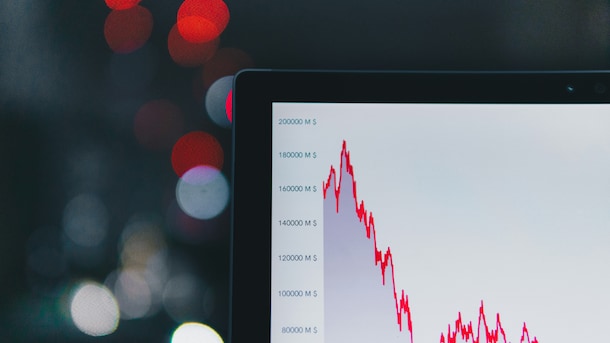
Last year, the amount of cash in circulation in Sweden dropped to the lowest level since 1990 and is more than 40 percent below its 2007 peak. The declines in 2016 and 2017 were the biggest on record.
An annual survey by Insight Intelligence released last month found that only 25 percent of Swedes paid in cash at least once a week in 2017, down from 63 percent just four years ago. A full 36 percent never use cash, or just pay with it once or twice a year.
In response, the central bank is considering whether there's a need for an official form of digital currency, an e-krona. A final proposal isn't expected until late next year, but the idea is that the e-krona would work as a complement to cash, not replace it completely.
Riksbank Governor Stefan Ingves has said Sweden should consider forcing banks to provide cash to customers. In its annual report on Monday, the Riksbank said the question is what role it should play in a future with even fewer cash payments.
“The Riksbank is carefully analyzing this development,” Ingves said. “Overall, I think we are facing structural changes in areas that have previously been stable. This is a development which will affect all the Riksbank's departments and we will need to make strategic decisions regarding the way forward.”
--With assistance from Niklas Magnusson and Sheldon Reback
To contact the reporter on this story: Amanda Billner in Stockholm at abillner@bloomberg.net.
To contact the editors responsible for this story: Jonas Bergman at jbergman@bloomberg.net, Tasneem Hanfi Brögger
©2018 Bloomberg L.P.

-
Talking Points This Week: Tech Nerves, FII Buying, And A Faraway Banking Shock

The global markets are not shining this Diwali. The exception in the large markets is, India.
-
Midterm Rally Lasted A Day. The Hard Reality Of A Divided US May Last Two Years | Opinion
Between a contested AI boom, a debt ceiling that arrives in 2027 and a president with every incentive to act alone, the next two years may prove more volatile than the first day's rally suggests.
-
Blue Wave Will Derail the AI Trade but Won't Dismantle the AI Era | Unhedged Position
The Democrats' sweep of the US Congress will see politics collide with economic forces both over the long and short term.
-
It's Time To Take The GST Council's Bet On Trust Global
Payment records can prove India's services exports, and clear, proportionate rules can bring foreign digital sellers into the tax net.
-
Opinion | India at 38: From Innovation Overperformer to Innovation Powerhouse
India now has 453 VC-backed deep science startups, 18 of them late-stage, after 117 percent growth since 2020. Laurus Labs, at USD 9.3 billion, is the most valuable deep science company in any middle-income economy outside China.
-
Navigating Energy Crossroads: S Jaishankar's Call For Diversified Supply Chains At G20 Ministerial Meeting
As geopolitical fault lines continue to test maritime trade routes and commodity flows, Jaishankar's message remains pertinent: true economic resilience requires open markets, protected transit lines, and a genuine commitment to multilateral cooperation rather than coercion.
-
Indians Are Travelling, But Not Every Journey Is A Holiday | The Week In Whys
Pilgrims, patients and working women are the real travellers, and the system hasn't quite caught up with them.
-
Getting To Work Costs Women More | The Reason Why
It is not just about women paying more than men. It is about women paying much more in cities than in villages.
-
AI Bias In Investing Cannot Be Eliminated, But It Can Be Governed
Framing is a particularly important example as identical financial information presented in terms of gains rather than losses can lead an LLM to reach a different assessment.