Kashkari Flips From Fed’s Biggest Pre-Pandemic Dove To Top Hawk
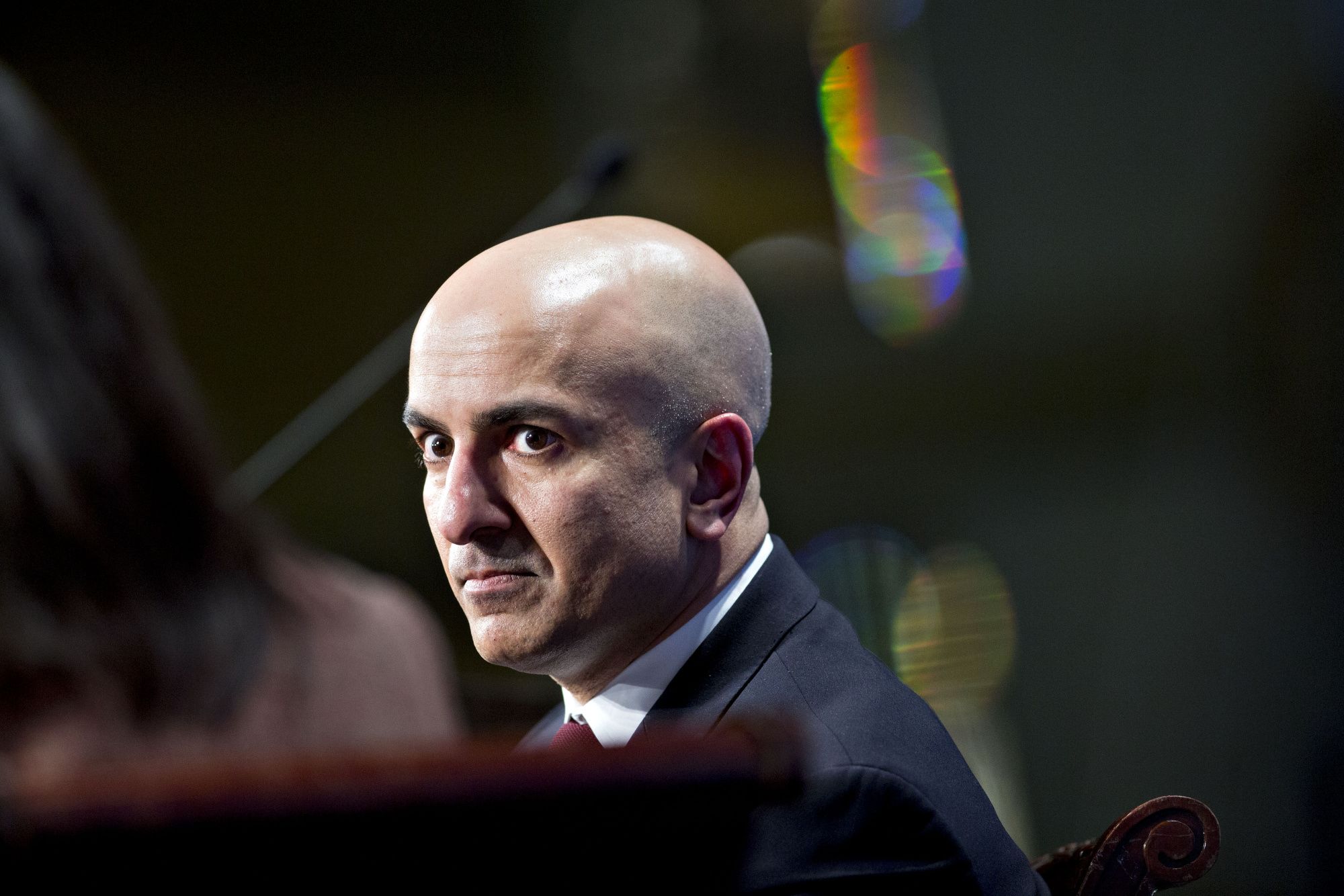
(Bloomberg) -- Federal Reserve Bank of Minneapolis President Neel Kashkari, for a long time the US central bank's biggest dove, is now its biggest hawk.
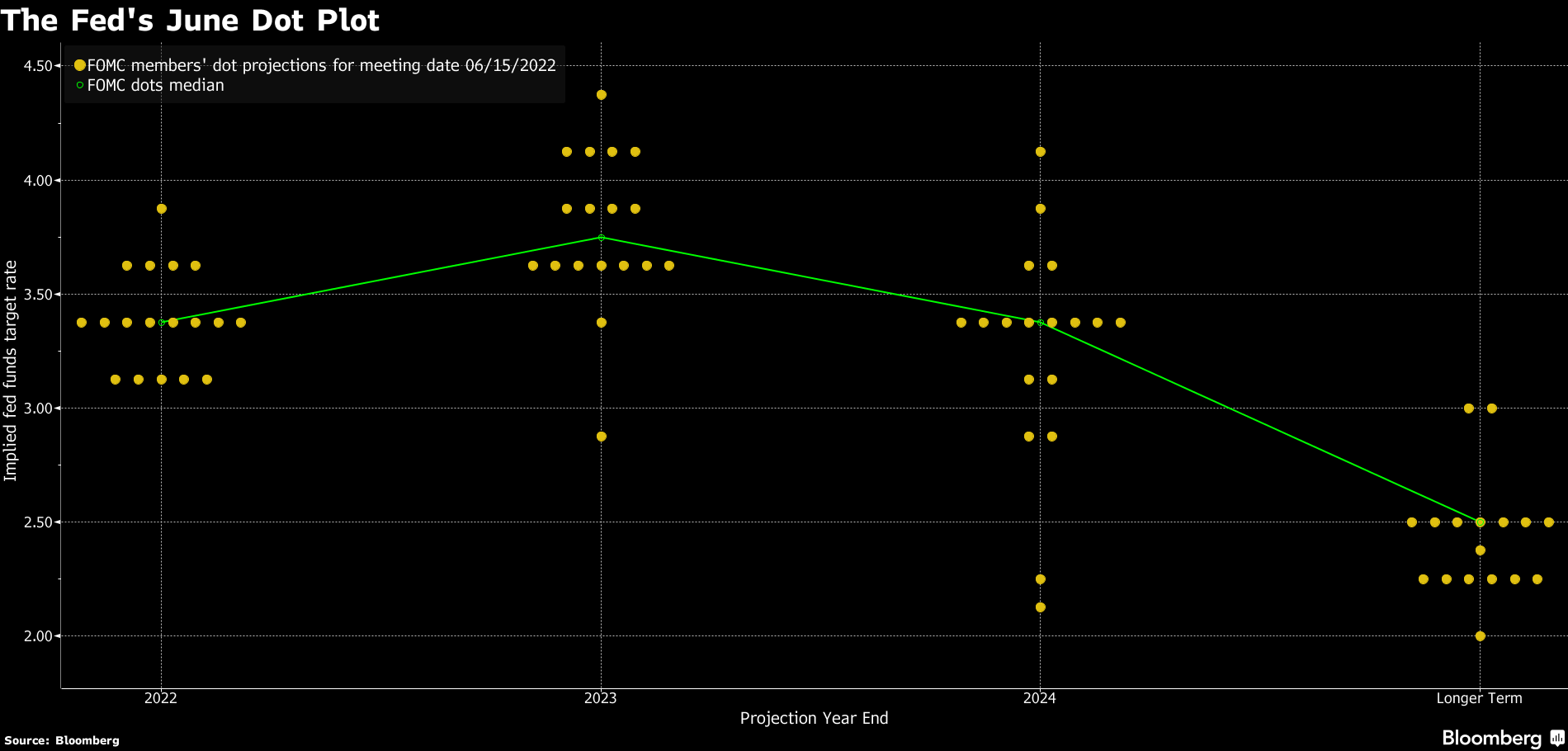
Kashkari said that he wants to raise the central bank's benchmark interest rate to 3.9% by the end of this year, and to 4.4% by the end of 2023. That makes him the most hawkish participant on the Fed's rate-setting Federal Open Market Committee, according to the so-called “dot plot” of interest-rate projections published after the central bank's June policy meeting.
“In June, in the Summary of Economic Projections, where all of the FOMC participants put in their own projections of interest rates for the next few years, I recommended being at 3.9% by the end of this year, and 4.4% by the end of the following year,” Kashkari said at an Aspen Institute event Wednesday. “I haven't seen anything that changes that.”
It's a complete 180-degree turnaround for Kashkari, who prior to the pandemic was the Fed's most outspoken dovish official. He took the helm at the Minneapolis Fed in 2016, and dissented against all of the FOMC's rate increases in 2017, the first year in which he voted on the decisions.
The Minneapolis Fed chief -- who votes on policy again next year -- was responding to a question about an earlier Labor Department report on consumer prices, which showed they rose 8.5% from a year earlier in July, slightly less than the 9.1% increase in the prior month that marked the highest inflation rate in four decades.
The figures, which came in below forecasters' estimates, prompted investors to scale back bets that Fed officials would opt for another rate increase of three quarters of a percentage point when they next meet Sept. 20-21, like they did at each of the last two meetings in June and July.
Alluding to market pricing of the Fed's policy path, Kashkari said it was not realistic to conclude that the Fed will start cutting rates early next year, when inflation is very likely going to be well in excess of the 2% goal.
“I think a much more likely scenario is we will raise rates to some point and then we will sit there until we get convinced that inflation is well on its way back down to 2% before I would think about easing back on interest rates,” he said.
Asked whether he'd be deterred from returning inflation to the target if that involved triggering a recession, Kashkari said: “It will not deter me from advocating that we do what is needed.”
(Updates to reflect when Kashkari votes on policy in fifth paragraph.)
More stories like this are available on bloomberg.com
©2022 Bloomberg L.P.

-
Blue Wave Will Derail the AI Trade but Won't Dismantle the AI Era | Unhedged Position

The Democrats' sweep of the US Congress will see politics collide with economic forces both over the long and short term.
-
It's Time To Take The GST Council's Bet On Trust Global
Payment records can prove India's services exports, and clear, proportionate rules can bring foreign digital sellers into the tax net.
-
Opinion | India at 38: From Innovation Overperformer to Innovation Powerhouse
India now has 453 VC-backed deep science startups, 18 of them late-stage, after 117 percent growth since 2020. Laurus Labs, at USD 9.3 billion, is the most valuable deep science company in any middle-income economy outside China.
-
Navigating Energy Crossroads: S Jaishankar's Call For Diversified Supply Chains At G20 Ministerial Meeting
As geopolitical fault lines continue to test maritime trade routes and commodity flows, Jaishankar's message remains pertinent: true economic resilience requires open markets, protected transit lines, and a genuine commitment to multilateral cooperation rather than coercion.
-
Indians Are Travelling, But Not Every Journey Is A Holiday | The Week In Whys
Pilgrims, patients and working women are the real travellers, and the system hasn't quite caught up with them.
-
Getting To Work Costs Women More | The Reason Why
It is not just about women paying more than men. It is about women paying much more in cities than in villages.
-
AI Bias In Investing Cannot Be Eliminated, But It Can Be Governed
Framing is a particularly important example as identical financial information presented in terms of gains rather than losses can lead an LLM to reach a different assessment.
-
Joining The Dots | Dark Skies, Steady Diya: Why Hope Holds This Diwali
With war, a weak rupee and foreign outflows weighing on sentiment, policymakers at the NDTV World Summit and market veterans at NDTV Profit Ignite: Diwali Edition offered the same advice: stay invested and filter out the noise.
-
The Curious Case of Equitas Small Finance Bank And A CEO Who Quit For Stock
PN Vasudevan believes persistent investor concerns over a perceived conflict of interest had become a governance overhang on Equitas Small Finance Bank's stock, even as the lender improved profitability and asset quality.










